
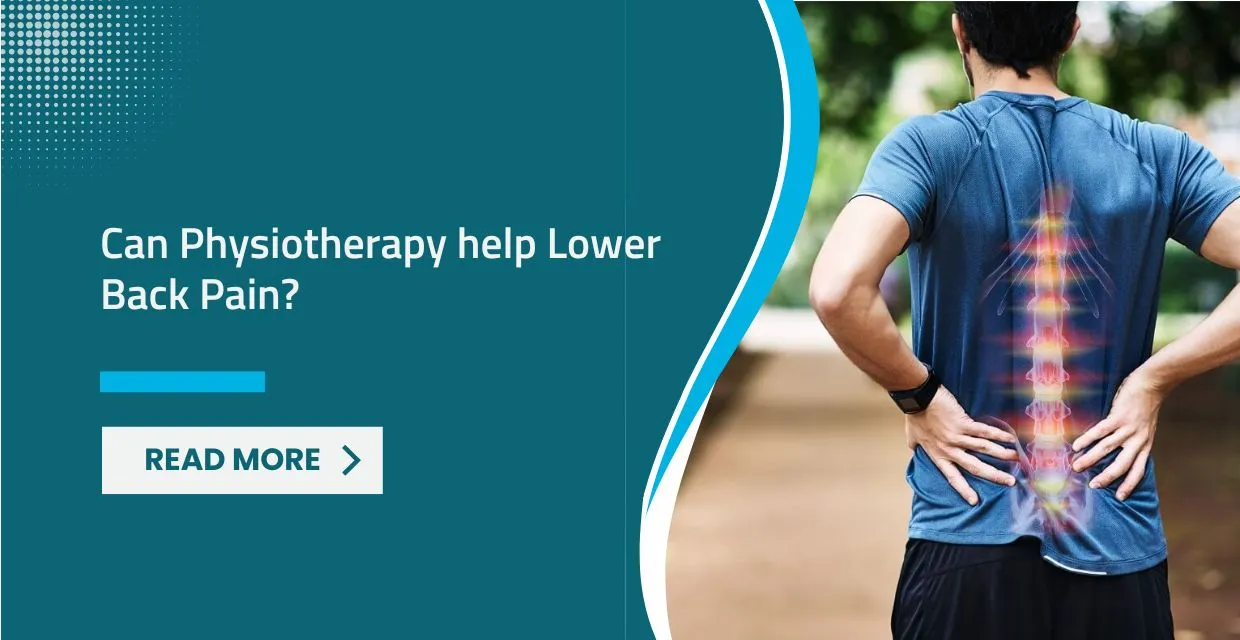
Can Physiotherapy Help Lower Back Pain? Science-Backed Relief
Eight out of ten people will experience lower back pain at some point in their lives. It is the leading cause of disability worldwide and a primary reason for missed work in Kenya. Whether it’s a dull ache that lingers for months or a sharp, sudden "tweak" while lifting a heavy object, back pain can strip away your quality of life. but here is the good news: most back pain doesn't require surgery.
At LifeCare Hospitals Kenya, we specialize in non-invasive recovery through advanced **Physiotherapy**. Our physical therapists are movement experts who don't just "rub away" the pain; they identify the structural cause and teach your body how to heal. in this blog, we explore the vital role of physiotherapy in treating lower back pain and why it should be your first line of defense.
1. Identifying the Root Cause
"Lower back pain" is a symptom, not a diagnosis. A physiotherapist’s first job is to find out exactly what is wrong. Common culprits include:
- Muscle Strain: Overstretching or tearing of muscles or ligaments.
- Disc Protrusion (Slipped Disc): When the soft gel-like center of a spinal disc pushes through a crack in the tougher exterior, irritating nearby nerves.
- Sciatica: Compression of the sciatic nerve, causing radiating pain down the leg.
- Poor Posture: Long hours sitting at a desk in Nairobi traffic or at an un-ergonomic workstation.
2. The "Active Recovery" Philosophy
Years ago, doctors recommended "bed rest" for back pain. We now know that is one of the worst things you can do. Prolonged inactivity causes muscles to stiffen and weaken. Physiotherapy promotes "Active Recovery"—using controlled, safe movement to increase blood flow to the area, which speeds up the healing process and reduces inflammation.
3. Manual Therapy: The Hands-On Approach
Our physiotherapists use various hands-on techniques to restore mobility:
- Joint Mobilization: Gentle, rhythmic movements of the spinal joints to reduce stiffness and restore natural range of motion.
- Soft Tissue Massage: Releasing "trigger points" or knots in the muscles that are causing referred pain.
- Traction: Using controlled force to slightly separate the spinal vertebrae, which is particularly effective for relieving pressure from a compressed disc (Sciatica).
4. Exercise Therapy: Building the "Internal Corset"
This is the most critical part of long-term healing. Your "Core" isn't just your six-pack; it's the deep muscles that stabilize your spine. A LifeCare physiotherapist will design a program focused on:
- Stabilization Exercises: Strengthening the transverse abdominis and multifidus muscles.
- Flexibility: Stretching tight hip flexors and hamstrings that might be pulling on your lower back.
- Functional Training: Teaching you how to lift, sit, and move in ways that protect your spine.
5. Advanced Modalities for Pain Relief
In the acute (very painful) phase, we use specialized equipment to manage symptoms while you work on recovery:
- TENS (Transcutaneous Electrical Nerve Stimulation): Using low-voltage electrical currents to block pain signals to the brain.
- Dry Needling: Inserting thin needles into trigger points to release deep muscle tension.
- Ultrasound Therapy: Using sound waves to generate deep heat in the tissues, improving circulation and healing.
6. Prevention: The Goal of LifeCare
Our goal isn't just to get you out of pain today; it’s to ensure it
doesn't come back next year.
Before you are discharged from our physiotherapy department, we ensure
you have:
- A tailored "Home Exercise Program" (HEP).
- Ergonomic advice for your specific work environment.
- A clear understanding of your body’s "warning signs" so you can intervene before a small ache becomes a major injury.
Conclusion: Take the First Step Toward a Pain-Free Life
Lower back pain can be exhausting, but you don't have to suffer in silence. Before relying on long-term painkillers or considering invasive surgery, give your body the chance to heal naturally with the guidance of a professional.
At LifeCare Hospitals Kenya, our physiotherapy departments are world-class, combining human expertise with the latest medical technology. Whether you have acute pain or a chronic condition you've lived with for years, we invite you to come and see what a difference specialized movement therapy can make. Reclaim your mobility—we are here to support every step of your recovery.
Frequently Asked Questions (FAQs)
How many sessions will I need?
It varies. Acute strains might resolve in 3-5 sessions, while chronic conditions or post-surgical recovery can take 8-12 weeks of consistent work. Your therapist will provide a specific "Plan of Care" during your first evaluation.
Do I need a doctor's referral for physio?
In many cases, no. You can book an appointment directly. However, if you are using health insurance (like NHIF or private corporate covers), many require a referral from a clinical doctor before they will approve payment for the sessions.
Will physio make my pain worse before it gets better?
It is common to feel some muscle soreness (similar to after a workout) as you begin to move stiff joints and dormant muscles. However, acute, sharp pain is not normal. Always communicate clearly with your therapist about how you feel during each exercise.
Can a slipped disc heal without surgery?
**Yes.** Approximately 90% of slipped discs (herniations) stabilize and the pain resolves with conservative care (physiotherapy) within 6 to 12 weeks. Surgery is typically only considered if there is severe nerve damage or if conservative care fails.