
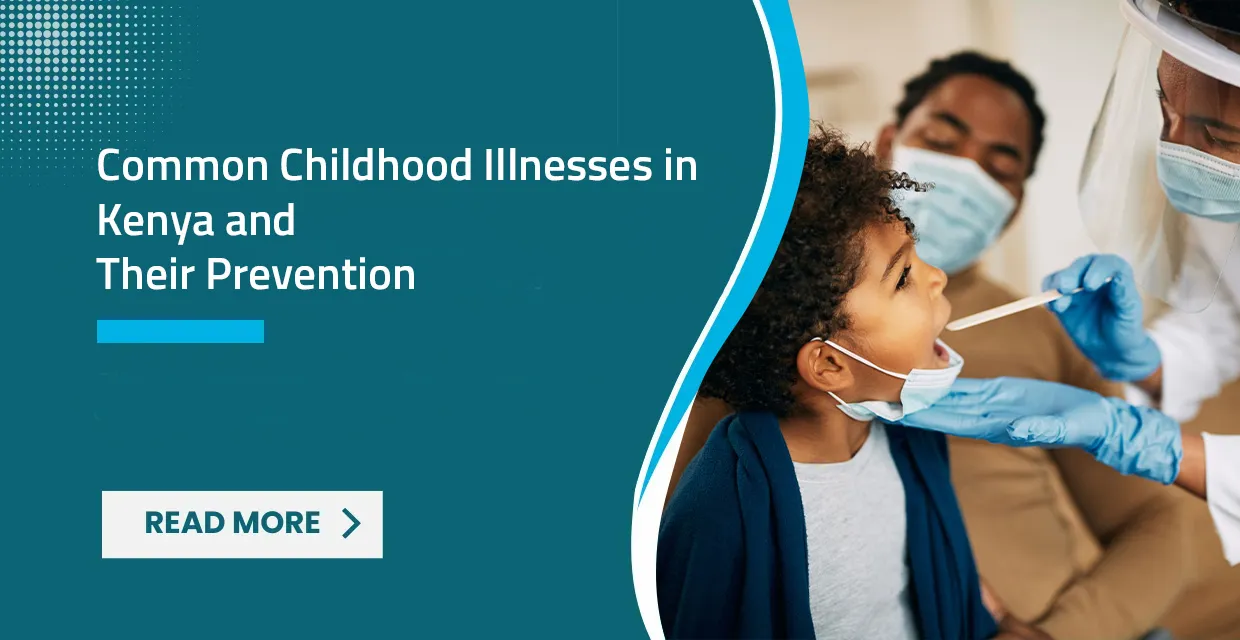
Common Childhood Illnesses in Kenya and Their Prevention
Raising a healthy child in Kenya involves navigating unique environmental and social challenges. While many illnesses are global, some have a higher prevalence in our region. At LifeCare Hospitals, we are committed to providing parents with the tools they need to prevent these common conditions and ensure their children reach their full potential.
Prevention is not just about medical treatment; it's about creating a safe and healthy environment at home and in the community. Here are the most common childhood health challenges in Kenya and how we can work together to prevent them.
1. Malaria: A Major Regional Challenge
Malaria remains a significant health risk for children in many parts of Kenya. It is a preventable and treatable disease, but early intervention is key.
- Prevention: Always have children sleep under insecticide-treated bed nets (ITNs). Eliminate standing water around the home where mosquitoes breed.
- Identification: Watch for high fever, chills, and vomiting. If suspected, seek immediate testing at a LifeCare Hospital.
2. Acute Respiratory Infections (ARI)
Conditions like pneumonia are leading causes of pediatric hospital visits. Indoor air pollution from cooking fires and overcrowding can increase risk.
- Prevention: Ensure good ventilation in the home. Most importantly, follow the Recommended Immunization Schedule, which includes vaccines against pneumonia-causing bacteria.
3. Diarrheal Diseases
Unsafe water and poor sanitation can lead to diarrheal illnesses, which cause dangerous dehydration in young children.
- Prevention: Practice consistent handwashing with soap. Boil or treat drinking water. Ensure children receive the Rotavirus vaccine.
- Nutritional Support: Exclusive breastfeeding for the first six months provides essential antibodies and a safe source of nutrition.
4. Malnutrition and Vitamin Deficiencies
Stunting and micronutrient deficiencies can impact a child's long-term cognitive and physical development.
- Prevention: Introduce a diverse diet rich in local fruits, vegetables, and proteins after six months. Our nutritionists at LifeCare can help create balanced meal plans using affordable local ingredients.
5. Vaccine-Preventable Diseases
Outbreaks of measles and other diseases still occur when vaccination rates drop. Maintaining "herd immunity" is vital for protecting every child in Kenya.
Read our guide on Childhood Illnesses and Treatments for more detailed information on managing symptoms.
How LifeCare Hospitals Supports Kenyan Families
We provide more than just clinic visits. Our community outreach programs focus on education about hygiene, nutrition, and the importance of early diagnosis. Our pediatricians are experts in the specific health landscape of Kenya, offering tailored care for your family's needs.
Conclusion: A Proactive Approach to Health
The health of Kenya's future depends on the health of its children today. By prioritizing prevention—through bed nets, clean water, proper nutrition, and timely vaccines—we can significantly reduce the burden of childhood illness.
If you have questions about your child's health or want to schedule a wellness checkup, reach out to us at LifeCare Hospitals. We are your partner in parenting and pediatric wellness.
Frequently Asked Questions (FAQs)
Is it safe to give my child malaria medicine without a test?
No. It's important to confirm the diagnosis with a rapid test or microscopy to ensure the correct treatment and avoid building drug resistance.
Which fruits are best for boosting a child's immunity?
Local fruits like mangoes, oranges, and papayas are excellent sources of Vitamin C and Vitamin A, which are essential for a strong immune system.