
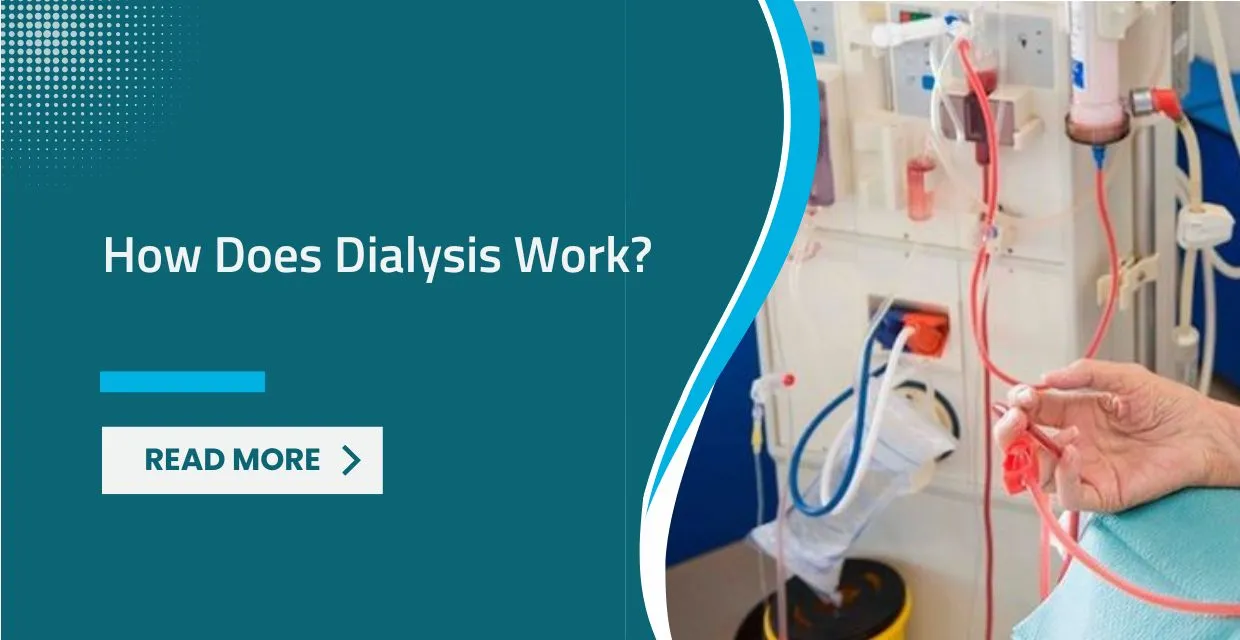
How Does Dialysis Work? Understanding the Science
When the kidneys reach a stage where they can no longer perform their duties—filtering waste, balancing fluids, and producing hormones—they need help. Dialysis is a treatment that performs the vital functions of the kidneys when they are failing. At LifeCare Hospitals, our renal centers are equipped with state-of-the-art dialysis machines and staffed by expert nephrologists. (Read our guide on Why Regular Dialysis is Essential).
But how does a machine actually clean your blood? Let's break down the mechanics of the most common type: Hemodialysis.
The Hemodialysis Process: Step-by-Step
1. Creating Access
Before dialysis can begin, a doctor must create an "access" point to your bloodstream. This is usually an AV fistula (connecting an artery and a vein) in your arm. This allows a large, steady flow of blood to move into the machine and back into your body. (Read How Dialysis is Used).
2. The Artificial Kidney (Dialyzer)
Inside the dialysis machine is a filter called a dialyzer. Your blood flows through thousands of tiny hollow fibers. Outside these fibers is a special cleaning fluid called "dialysate." (See Diet and Dialysis Tips).
3. Diffusion and Osmosis
Through a process called diffusion, waste products like urea and creatinine move from your blood across a semi-permeable membrane into the dialysate. Extra fluid is also pulled out through osmosis. (Read about Nutrition on Dialysis).
4. Returning Clean Blood
Once the blood has been filtered, it is warmed back to body temperature and returned to your bloodstream through the access point. A typical session takes about 3 to 4 hours. (Read Habits for Daily Kidney Care).
Peritoneal Dialysis: A Different Approach
Unlike hemodialysis, peritoneal dialysis uses the lining of your own abdomen (the peritoneum) as the filter. A catheter is placed in the abdomen, and dialysate fluid is cycled in and out, often while the patient sleeps at home. (Read Dialysis Myths Debunked).
Conclusion: Life After Kidney Failure
Dialysis is a bridge that allows patients with kidney failure to continue living full, productive lives. While it requires time and commitment, modern technology and expert care make the process safe and effective. At LifeCare Hospitals Kenya, we provide a sterile, comfortable environment for your renal treatments. If you or a loved one needs renal support, our team is here to walk you through every step. Your life is our mission.
Frequently Asked Questions (FAQs)
Does dialysis hurt?
The actual filtering of the blood is not painful. However, you may feel a pinch when the needles are inserted into your access point. Some patients feel tired or experience cramps after a session as their body adjusts to the fluid changes.
Are LifeCare renal centers open on weekends?
Yes, our renal centers operate on extended hours to ensure that all patients can receive their scheduled treatments at a time that works for them. (See Safety and Infection Control).