



A normal morning can change in seconds when a stroke hits. One moment someone is pouring tea or driving to work, and the next they cannot move an arm, speak clearly, or stay conscious. Health experts estimate that about one in four adults will have a stroke in their lifetime, and many families we meet at LifeCare Hospitals have seen how deeply it affects independence, work, and family life.
There is, however, a more hopeful side. When we talk about how to prevent stroke, we are not talking about rare tricks. Most strokes are linked to everyday factors such as blood pressure, food choices, movement, smoking, alcohol use, and medical checkups. We cannot change age or family history, but we can change many habits and treat conditions that raise stroke risk.
In this guide, we share clear, doctor-recommended stroke prevention tips that we use with our own patients. We explain what a stroke is, how to avoid stroke with lifestyle changes, when medication matters, and how regular care at LifeCare Hospitals supports long-term brain and heart health. By the end, we want you to feel less afraid, better informed, and ready to take simple steps that lower stroke risk for you and your family.
Key Takeaways
Stroke is often preventable. When we control blood pressure, improve daily habits, and attend regular screenings, we can cut the odds of a life-changing stroke in a very real way.
High blood pressure is the top controllable risk factor. Regular checks, sticking to treatment plans, and healthy lifestyle changes protect the delicate blood vessels in the brain.
A heart-healthy diet and regular exercise work together. They help manage weight, cholesterol, and blood sugar and keep arteries clearer and more flexible, which supports natural stroke prevention at any age.
Quitting smoking and limiting alcohol strongly protect the brain. Tobacco and heavy drinking damage blood vessels, raise blood pressure, and make clots more likely.
Managing chronic conditions is essential. Diabetes, high cholesterol, atrial fibrillation, and kidney disease all add to stroke risk and need consistent, professional care.
Regular health screenings at LifeCare Hospitals matter. With advanced diagnostics and caring specialists, we help create practical, step-by-step plans for stroke prevention and long-term brain health.
Understanding Stroke: What You Need To Know
A stroke is often called a brain attack. It happens when blood flow to part of the brain is blocked, or when a blood vessel in the brain bursts and leaks blood into nearby tissue. Without oxygen-rich blood, brain cells start to die within minutes.
There are two main types of stroke:
Ischemic stroke: A blood clot or plaque blocks a blood vessel in the brain. This is the most common type.
Hemorrhagic stroke: A weak blood vessel in the brain ruptures and bleeds into or around the brain.
Both types can cause serious problems with movement, speech, memory, behavior, and can be life-threatening.
Some people experience a transient ischemic attack (TIA), often called a mini-stroke. Symptoms are similar to stroke but clear within minutes or hours. A TIA is a strong warning sign: without proper care, a major stroke may follow. Acting quickly to prevent stroke after TIA through medical care and lifestyle changes is extremely important.
Many risk factors fall into two groups:
Not changeable: Age, family history, sex, and certain genetic conditions.
Changeable or treatable: High blood pressure, diabetes, high cholesterol, smoking, obesity, and lack of exercise.
At LifeCare Hospitals, we use comprehensive screening checkups to map each person’s changeable and unchangeable risks, then build a realistic brain stroke prevention plan.
“Up to 80% of strokes may be preventable through risk-factor control and healthy lifestyle choices.” — American Heart Association
Control Your Blood Pressure: The Most Critical Factor
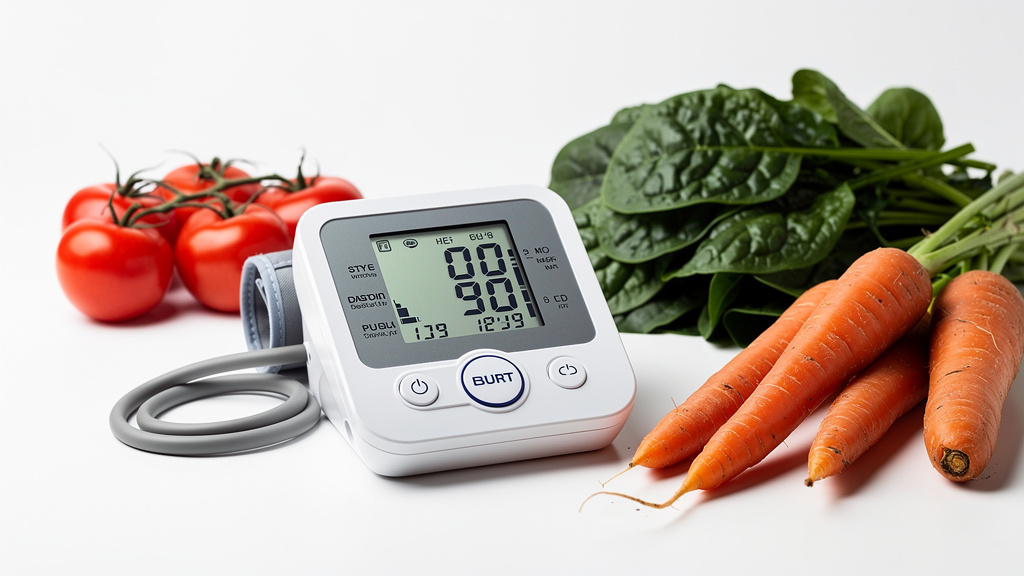
If we had to choose one factor that matters most in how to prevent stroke, it would be blood pressure control. High blood pressure (hypertension) silently damages arteries throughout the body, making brain vessels stiff, fragile, and more likely to clog or burst. This is why doctors often call it the silent killer.
When blood pressure stays high for years, the inner lining of arteries suffers tiny injuries again and again. Fat and plaque stick to these rough spots and narrow the passage. A clot can then suddenly block the vessel, causing an ischemic stroke, or a weakened area can tear and cause a hemorrhagic stroke. Research shows that uncontrolled hypertension can double or even quadruple stroke risk.
For many adults, an ideal blood pressure is below 120/80 mmHg. Others may have different targets, for example, people with diabetes or kidney disease. Because hypertension often has no symptoms, regular checks at home, pharmacies, or at LifeCare Hospitals are vital.
People who learn how to prevent stroke by lowering blood pressure often sleep better, feel more energetic, and protect their hearts at the same time. Lifestyle changes help, but many patients also need medication, which is a smart, protective tool rather than a weakness.
Lifestyle Strategies To Lower Blood Pressure
Daily habits can be strong tools for anyone who wants to lower stroke risk naturally:
Cut back on salt (sodium). Aim for about 1,500 mg per day (roughly half a teaspoon of table salt). Read food labels, cook at home more often, and flavor food with herbs, spices, garlic, ginger, or lemon instead of extra salt.
Choose blood-pressure-friendly foods. A diet rich in fruits, vegetables, whole grains, beans, nuts, and low-fat dairy helps keep pressure down and supports a solid diet to prevent stroke. These foods supply potassium, fiber, and antioxidants that relax blood vessels and help control cholesterol.
Limit processed and fried foods. Packaged meats, instant noodles, fast foods, and deep-fried snacks often hide large amounts of salt and unhealthy fats.
Move more. Aim for at least 30 minutes of brisk walking or similar activity on most days. Even 10–15 minute walks, done several times a day, lower blood pressure, help manage weight, and reduce stress.
Watch weight, smoking, and alcohol. Keeping a healthy weight, avoiding tobacco, and drinking alcohol only in small amounts all work together to protect brain vessels.
For many patients, lifestyle steps are not enough on their own. When needed, we use blood pressure medication as part of safe stroke prevention medication. At LifeCare Hospitals, our chronic disease teams help patients choose suitable drugs, watch for side effects, and adjust doses so that blood pressure stays in a safe range without guesswork.
Adopt A Heart-Healthy Stroke Prevention Diet

What we eat touches nearly every major stroke risk factor. Food affects blood pressure, cholesterol, body weight, and blood sugar. When we counsel families about how to prevent stroke, we often start in the kitchen, because small daily choices there add up quickly.
A heart-healthy diet for stroke prevention does not mean strict or joyless meals. We focus on simple patterns that fit different cultures and budgets:
More foods that protect blood vessels.
Fewer foods that clog or damage them.
That means plenty of plant foods, moderate amounts of healthy fats, and less salt, sugar, and deep-fried food.
People often ask for a short list of foods that prevent stroke. Some foods certainly help more than others, but no single food cancels out an unhealthy eating pattern. The best results come from an overall eating style that supports the heart and brain every day.
At LifeCare Hospitals, our nutrition teams help turn general advice into daily menus based on local foods, family recipes, and realistic shopping lists.
Key Dietary Principles For Stroke Prevention
Several simple rules lie at the center of stroke prevention tips related to food:
Keep unhealthy fats low. Saturated and trans fats (found in fatty red meat, sausages, bacon, full-fat cheese, deep-fried snacks, and many baked goods) raise bad cholesterol (LDL). Swap these for:
Skinless chicken, fish, beans, and lentils
Small amounts of plant oils such as olive, sunflower, or canola oil
Fill half your plate with fruits and vegetables. Aim for 4–5 cups a day in many colors. Dark greens, tomatoes, berries, citrus fruits, bananas, sweet potatoes, and beans bring fiber, vitamins, and potassium that support blood pressure and vessel health.
Choose whole grains and high-fiber foods. Oats, brown rice, whole wheat bread, and quinoa help lower LDL cholesterol and steady blood sugar. Beans, peas, and lentils add more fiber and protein and support weight control.
Eat fish regularly. Fatty fish such as salmon, sardines, and mackerel contain omega‑3 fats that may reduce inflammation and reduce clot formation. Try to eat these fish two or three times per week as part of brain stroke prevention.
Cut back on sugar and sugary drinks. Soft drinks, sweet juices, and sweets promote weight gain and type 2 diabetes, which raise stroke risk.
Many people find a simple food diary or mobile app helpful to see where extra salt, sugar, or unhealthy fats sneak in. LifeCare Hospitals offers nutritional counseling as part of our preventive programs so each person can create a personal diet to prevent stroke that fits their life.
“Let food be thy medicine and medicine be thy food.” — Hippocrates(Good nutrition is still one of the strongest medical tools we have.)
Stay Physically Active: Exercise For Brain Health

Physical activity is one of the most powerful tools we have for how to prevent stroke. Regular movement helps the heart pump more efficiently, keeps blood vessels flexible, and improves blood flow to the brain. It also helps control weight, blood sugar, and cholesterol.
When we are active, our muscles use glucose from the blood, which lowers blood sugar and improves how the body uses insulin. Exercise can raise good cholesterol (HDL) and lower resting blood pressure. Mood and sleep often improve, which makes it easier to avoid smoking, overeating, or heavy drinking. In this way, movement sits at the center of lifestyle-based stroke prevention.
Health experts suggest most adults aim for:
At least 150 minutes per week of moderate activity (such as brisk walking, water aerobics, easy cycling, or gardening), or
75 minutes per week of vigorous activity (such as running, fast cycling, or sports that make speaking in full sentences difficult),
plus two or more days per week of muscle-strengthening activities.
Exercise does not have to be fancy or expensive. The best form is usually the one you enjoy enough to repeat.
Making Exercise A Sustainable Habit
Many people know exercise is good but feel unsure where to start. For stroke prevention, we focus on small, realistic steps:
If you have been inactive, begin with 10-minute walks a few times a day and slowly add time or speed.
Break activity into short blocks: 10 minutes in the morning, 10 at lunch, 10 in the evening.
Make simple swaps: take the stairs, park farther away, walk during phone calls.
Choose activities you enjoy: dancing, playing with children, swimming, group walks, or low-impact classes.
Before starting a new routine, people with heart disease, arthritis, or long-term conditions should talk to a doctor. At LifeCare Hospitals, our wellness and screening clinics help design safe, personal activity plans that support both heart and brain health.
Maintain A Healthy Weight To Lower Your Risk
Body weight has a close link to how to prevent stroke. Extra weight, especially around the waist, often goes hand in hand with high blood pressure, raised cholesterol, and type 2 diabetes. Each one increases stroke risk; together they are far more harmful.
At LifeCare Hospitals, we focus on health rather than appearance. Doctors often use body mass index (BMI) to estimate whether someone is in a healthy range. A BMI under 25 is usually considered healthy for many adults, but the best target can vary.
The good news is that even modest weight loss helps. Losing just 5–10% of body weight can lower blood pressure, improve cholesterol, and reduce blood sugar. For someone who weighs 90 kg, the first goal might be 4.5–9 kg, not an unrealistic “perfect” number.
Healthy weight loss usually comes from:
Slightly lower daily calories
More movement
Steady, gradual loss (about 0.5–1 kg per week)
Fast crash diets may drop weight quickly but often cause regain and may harm health. Our teams at LifeCare Hospitals combine diagnostic tests, nutrition advice, and chronic disease care to support safe, long-lasting weight control that supports stroke prevention.
Quit Smoking And Limit Alcohol Consumption
Two habits damage blood vessels more than almost any others: smoking and heavy alcohol use. When we talk with patients about how to prevent stroke, we are very clear about these risks, while also offering understanding and support.
Smoking—including cigarettes, shisha, and many vaping products—exposes the body to chemicals that:
Thicken the blood and make clots more likely
Irritate vessel walls
Lower oxygen levels
Alcohol in high amounts can:
Raise blood pressure
Weaken heart muscle
Trigger irregular heart rhythms
Together, these habits sharply increase the chance of a first stroke and worsen recovery.
The hopeful side is that the body starts to heal soon after these habits stop or reduce. Within weeks of quitting smoking, blood pressure and heart rate improve; over months to years, stroke risk can move closer to that of a non-smoker. Alcohol-related risks also fall when intake returns to safer levels. We see many patients at LifeCare Hospitals who have made these changes and gained better health and a stronger sense of control.
The Urgent Need To Quit Smoking
For someone who smokes and wants the most direct step in how to prevent stroke, quitting is the answer. Cigarette smoke:
Makes blood thicker and more likely to clot
Damages artery linings and speeds plaque buildup
Raises blood pressure and heart rate
These changes increase both ischemic and hemorrhagic stroke risk.
Vaping and other nicotine devices may seem safer, but they still deliver nicotine and other chemicals that strain the heart and vessels. For stroke prevention, the best choice is to avoid all forms of tobacco and nicotine.
Helpful steps to quit include:
Setting a clear quit date and telling family and friends
Removing cigarettes, lighters, and ashtrays from home and car
Using nicotine replacement (patches, gum, lozenges) if advised
Considering prescription medicines such as varenicline or bupropion
Seeking counseling, support groups, or national quit lines
At LifeCare Hospitals, our teams guide patients through these options and support each attempt, because every try brings you closer to a smoke-free life and lower stroke risk.
Moderate Your Alcohol Intake
Alcohol often has a confusing image in health discussions. For stroke prevention, moderation is key.
General guidance suggests:
Up to 1 standard drink per day for women
Up to 2 standard drinks per day for men
(1 drink = about 350 ml of regular beer, 150 ml of wine, or 44 ml of spirits.)
Many home or restaurant servings are bigger than a standard drink, so it is easy to consume more than planned.
Red wine is sometimes praised for heart benefits, but these possible gains do not justify starting to drink or exceeding these small amounts. For people with high blood pressure, liver disease, or difficulty controlling drinking, the safest choice is often to drink very rarely or not at all.
Doctors at LifeCare Hospitals can help you decide what alcohol intake, if any, is safe for your health situation and your goal of stroke prevention.
Manage Chronic Conditions With Your Healthcare Team
Healthy habits are the foundation of how to prevent stroke, but many strokes still begin with quiet medical problems inside the body. High blood pressure, diabetes, high cholesterol, kidney disease, and certain heart conditions can damage blood vessels for years without clear symptoms. This is why regular checkups and teamwork with health professionals matter so much.
When we meet new patients at LifeCare Hospitals, we often:
Check blood pressure, weight, and waist size
Order blood tests for blood sugar, cholesterol, and kidney function
Ask about family history and past events such as TIA or heart attack
Review current medicines and supplements
With this information, we can map each person’s risk and plan the right mix of lifestyle steps and medical treatment.
Some people hope to focus only on preventing stroke naturally without tablets. While lifestyle is powerful and sometimes enough, many patients also benefit from stroke prevention medication such as:
Blood pressure tablets
Cholesterol-lowering statins
Blood thinners for atrial fibrillation
Diabetes medicines
Taking these as prescribed is a smart way to protect the brain, not a failure.
We also stress follow-up visits. Just as a car needs regular service, a body with long-term conditions needs periodic checks—especially for those who want to prevent second stroke or prevent stroke after TIA.
Control Diabetes And Blood Sugar Levels
Diabetes is one of the strongest medical links in how to prevent stroke. When blood sugar stays high for many years, it damages blood vessels and nerves. Artery walls become thick and stiff, plaque buildup accelerates, and clots become more likely. People with diabetes are also more likely to have high blood pressure and high cholesterol.
Warning signs of diabetes may include:
Frequent urination
Excessive thirst
Unexplained weight loss
Slow-healing wounds
Anyone with these symptoms should be tested. For those already diagnosed, regular blood sugar checks show how well their current plan is working. Targets vary, but the aim is to keep sugar within a safe range most of the time.
Good diabetes control rests on three main supports:
Food: Regular meals, spread-out carbohydrates, high-fiber choices, and avoidance of sugary drinks.
Movement: Regular activity to help the body use insulin and move sugar from blood into muscles.
Medication: Tablets or insulin injections, when needed.
At LifeCare Hospitals, our diabetes clinics provide full support to keep blood sugar steady and, in turn, lower stroke risk.
Monitor And Manage High Cholesterol
Cholesterol is a waxy substance the body needs in small amounts, but too much of the wrong type increases stroke risk. High levels of low-density lipoprotein (LDL or bad cholesterol) form fatty plaques inside arteries. If a plaque in a neck or brain artery cracks, a clot can form and block blood flow, causing an ischemic stroke.
Because cholesterol problems rarely cause symptoms, we advise adults to have a fasting lipid profile blood test at least every five years, and more often if levels are high or other risk factors exist. This test measures:
Total cholesterol
LDL (bad) cholesterol
HDL (good) cholesterol
Triglycerides
First-line steps include:
Cutting back on red meat, full-fat dairy, and baked goods made with hard fats or certain shortenings
Adding foods rich in soluble fiber, such as oats, beans, apples, and some vegetables
When lifestyle steps do not bring levels into a safe range, we often add statin medication. These drugs lower LDL and have been shown to reduce ischemic stroke risk in high-risk people. LifeCare Hospitals provides full laboratory services and follow-up visits to track and fine-tune cholesterol care.
Recognize And Treat Heart Conditions That Increase Stroke Risk
Some stroke risks start in the heart itself. Certain rhythm problems and structural heart diseases make it easier for clots to form inside the heart chambers. These clots can then travel to the brain and block an artery, causing a severe stroke. Understanding and treating these heart problems is a key part of how to prevent stroke.
We often explain that heart and brain health are closely linked. When the heart pumps in a steady, effective rhythm, blood reaches the brain smoothly. When rhythm or valve function is disturbed, blood may pool or swirl, giving clots time to form.
At LifeCare Hospitals, our cardiology teams work closely with neurologists and primary care doctors. We:
Listen to the heart
Order electrocardiograms (ECG)
Use longer-term rhythm monitoring when needed
Perform echocardiograms to see how blood moves through the heart
When we find problems, we act early, because each treated heart condition is one more step in how to avoid stroke.
Atrial Fibrillation (AFib): A Major Stroke Cause
Atrial fibrillation (AFib) is a common heart rhythm problem that greatly increases stroke risk. In AFib, the upper chambers of the heart (atria) quiver instead of squeezing strongly and evenly. Blood can then sit in pockets of the atria, allowing clots to form. If a clot breaks free, it can travel to the brain and block an artery.
People with AFib are almost five times more likely to have a stroke than those with normal rhythm, and strokes from AFib tend to be larger and more disabling.
Common AFib symptoms include:
Racing, pounding, or fluttering heartbeat
Shortness of breath
Tiredness
Dizziness or chest discomfort
Some people feel nothing, and AFib is only found on an ECG.
Because of this, regular heart checks are important, especially in older adults. When we diagnose AFib at LifeCare Hospitals, we usually prescribe anticoagulant medicine (often called blood thinners) to reduce clot formation. These medicines do not literally thin the blood, but they reduce its tendency to clot. Taking them exactly as directed is vital for stroke prevention. We may also use medicines or procedures to control heart rate or restore a more regular rhythm.
Other Heart Conditions Requiring Management
AFib is not the only heart condition linked to stroke. Others include:
Coronary artery disease: Plaque narrows arteries that feed the heart and points to wider artery problems in the body.
Heart failure: A weak heart muscle slows blood flow and may increase clot risk.
Valve disease or artificial valves: Abnormal or artificial valves can disturb blood flow and create areas where clots form more easily.
Managing these problems with medicines, lifestyle changes, and sometimes procedures or surgery helps protect both heart and brain. At LifeCare Hospitals, our multispecialty teams provide linked care so that people with heart disease receive clear guidance on how to prevent stroke as part of their overall treatment plan.
Prioritize Quality Sleep And Manage Stress

Sleep and stress may not be the first things people think about when asking how to prevent stroke, but both have strong effects on the body. Poor sleep and high stress can:
Raise blood pressure
Worsen blood sugar control
Push people toward unhealthy coping habits (smoking, overeating, heavy drinking)
Over years, these effects increase the risk of stroke and heart disease.
During deep sleep, blood pressure usually dips, giving vessels a chance to rest. Hormones that control appetite, sugar use, and tissue repair also reset. When sleep is too short or often broken, these systems do not work well, and stress hormones stay high.
At LifeCare Hospitals, we talk about sleep and stress as real medical issues, not personal failings. Treating the whole person—not just lab numbers—leads to better long-term stroke prevention.
Get Adequate Quality Sleep
Most adults need 7–9 hours of good-quality sleep each night to support healthy brain and heart function. Short, broken, or very irregular sleep patterns are linked with higher rates of obesity, high blood pressure, and diabetes.
One sleep problem deserves special attention: obstructive sleep apnea. Here, the upper airway closes many times during the night, causing repeated pauses in breathing. This can lead to:
Loud snoring
Choking or gasping during sleep
Restless nights
Morning headaches or severe daytime sleepiness
Each pause lowers oxygen levels and makes blood pressure spike again and again, which is hard on blood vessels.
People who snore loudly, stop breathing in sleep, or feel very sleepy during the day should talk to a doctor about sleep testing. LifeCare Hospitals can arrange sleep studies and, when needed, treatment such as continuous positive airway pressure (CPAP). Treating sleep apnea improves energy and is also an important step in brain stroke prevention.
Practice Effective Stress Management
Modern life brings many pressures, from work and money worries to family responsibilities. While we cannot remove all stress, we can learn healthier ways to respond.
Helpful options include:
Regular physical activity
Simple relaxation techniques (slow deep breathing, short daily meditation, gentle yoga)
Spending time with supportive people
Enjoying hobbies or quiet time
Writing thoughts in a journal
When worry, sadness, or anger feel constant, speaking with a counselor or mental health professional can help greatly. At LifeCare Hospitals, we aim to support both mental and physical health so patients can maintain the habits that support stroke prevention.
“It’s not the load that breaks you down, it’s the way you carry it.” — Lou HoltzLearning healthier ways to handle stress protects both mind and body.
Partner With LifeCare Hospitals For Proactive Stroke Prevention
Stroke prevention works best as a team effort. On one side are daily choices at home—what you eat, how much you move, whether you smoke, and how you handle stress and sleep. On the other side is the medical support system—regular checkups, tests, and treatments that spot risks early and keep them under control. When both sides work together, stroke risk drops sharply.
At LifeCare Hospitals, we see our role as a trusted medical partner in how to prevent stroke for individuals and families across Kenya. Many patients also face other health challenges such as pregnancy, childhood illnesses, or kidney disease, so we provide many services under one roof and focus on long-term relationships, not just single visits.
Regular health checks form the backbone of medical stroke prevention. During these visits, we:
Measure blood pressure, weight, and waist size
Listen to the heart and lungs
Review symptoms and family history
Order blood tests for cholesterol, blood sugar, and kidney function when needed
For people with warning signs—such as TIA, chest pain, or irregular pulse—we can arrange imaging and heart rhythm tests quickly to find stroke risks before they cause harm.
When we detect problems, we do more than hand over a prescription. We explain each risk factor, how it relates to stroke, and what steps at home and in the clinic can help. This open, caring style makes it easier to follow prevention plans.
The LifeCare Advantage In Stroke Prevention
LifeCare Hospitals offers several strengths that make stroke prevention smoother and more complete:
Preventive health programs with screening packages for blood pressure, blood sugar, cholesterol, kidney function, and more.
Modern diagnostic centers with up-to-date laboratory and imaging equipment to assess heart and blood vessel health.
Integrated chronic disease management for hypertension, diabetes, high cholesterol, and kidney disease (including dialysis services).
Multispecialty teams—from cardiologists to internal medicine doctors—working in one network so each visit builds on the last.
Patient education and community outreach through the LifeCare Foundation, including talks on stroke warning signs and simple lifestyle changes for both older and younger adults.
For anyone ready to act, we encourage a comprehensive health screening at LifeCare Hospitals and a personal, step-by-step plan for how to prevent stroke.
Know The Warning Signs: Act FAST
Even when we do everything right, strokes can still happen. That is why knowing stroke warning signs is just as important as prevention. A stroke is a medical emergency where every second counts. Fast treatment can save brain cells, reduce disability, and save lives.
The word FAST helps you remember the key signs:
F – Face: Ask the person to smile. Does one side of the face droop or feel numb?
A – Arms: Ask them to raise both arms. Does one arm drift down or feel weak?
S – Speech: Ask them to say a simple sentence (for example, “The sky is blue.”). Is the speech slurred, strange, or hard to understand?
T – Time: If you see any of these signs, even if they go away, call emergency services immediately.
Other warning signs include:
Sudden trouble seeing in one or both eyes
Sudden confusion or trouble understanding
Sudden dizziness, loss of balance, or trouble walking
Sudden, severe headache with no clear cause
At LifeCare Hospitals, our emergency departments are ready with trained teams and quick access to brain imaging and treatment. Fast action can mean the difference between a short hospital stay and lifelong disability.
Sharing the FAST message with family, friends, and coworkers is one more way to protect the people you care about.
“Time lost is brain lost.” — Common stroke-care principle used by neurologists worldwide
Conclusion
Stroke is one of the most serious health events a person can face, but many strokes never need to happen. When we look closely at how to prevent stroke, a clear pattern appears: most major risk factors can be found early, treated properly, and improved with steady changes in daily life.
Key protective steps include:
Keeping blood pressure under control
Following a heart-healthy diet
Staying physically active
Maintaining a healthy weight
Quitting smoking and limiting alcohol
Managing diabetes, cholesterol, and heart conditions such as AFib
Protecting sleep and handling stress in healthier ways
Each step on its own lowers stroke risk; together they provide strong protection.
No one has to do this alone. At LifeCare Hospitals, we stand beside our patients with comprehensive screening, expert diagnosis, and long-term management of chronic conditions. We understand local needs and family pressures and design prevention plans that fit real lives. If you want to protect your brain health and avoid stroke, consider scheduling a health check with us, discussing your personal risks, and starting a clear, supported plan for a long, active life.
Frequently Asked Questions (FAQs)
Question 1: What Is The Single Most Important Thing I Can Do To Prevent A Stroke?
If we had to choose one main action in how to prevent stroke, it would be controlling high blood pressure. Hypertension is the strongest controllable risk factor and often has no warning signs. Regular checks, lifestyle changes, and blood pressure medicine when needed greatly lower stroke risk. At LifeCare Hospitals, we offer screening and long-term hypertension management to keep numbers in a safe range.
Question 2: Can Stroke Be Prevented Naturally Without Medication?
Lifestyle changes are the foundation of stroke prevention. A healthy diet, regular exercise, not smoking, limited alcohol, good sleep, and stress control can sharply reduce stroke risk and sometimes make medicine unnecessary. However, many people with high blood pressure, diabetes, high cholesterol, or atrial fibrillation still need medication to reach safe targets. We see medicine as a helpful tool alongside natural measures, and doctors at LifeCare Hospitals guide patients to the right balance for their situation.
Question 3: Are There Specific Foods That Can Help Prevent Stroke?
Some foods support stroke prevention more than others, especially when eaten as part of a healthy pattern:
Fruits and vegetables rich in potassium, such as bananas, oranges, spinach, and sweet potatoes, help control blood pressure.
Whole grains, beans, and other high-fiber foods improve cholesterol and blood sugar.
Fatty fish such as salmon and sardines add omega‑3 fats that support heart and brain health.
At the same time, cutting back on salt, sugary drinks, and deep-fried or fatty meats makes a big difference. Dietitians at LifeCare Hospitals help patients design full eating plans rather than chase single “superfoods.”
Question 4: How Do I Know If I Am At High Risk For Stroke?
Stroke risk comes from several factors added together. Major risks include:
High blood pressure
High cholesterol
Diabetes
Heart disease, especially atrial fibrillation (AFib)
Obesity and lack of exercise
Smoking and heavy alcohol use
Family history of stroke
Past stroke or TIA
Many of these have no clear symptoms, so it is hard to judge risk by feeling alone. The best way is a comprehensive health screening that checks blood pressure, blood tests, heart rhythm, and personal history. LifeCare Hospitals offers such assessments and can explain your risk and how to lower it.
Question 5: How Often Should I Have My Blood Pressure And Cholesterol Checked?
For most adults with normal readings:
Blood pressure: Check at least once a year, and more often if numbers start to rise or if other risk factors are present. People with hypertension often need checks at every clinic visit or at home several times per week.
Cholesterol: Test at least every five years for healthy adults, and more often if levels are high or other risks exist.
A doctor at LifeCare Hospitals can recommend the right schedule based on your age, health status, and family history.

