



Mouth ulcers are painful sores that develop inside the mouth, often affecting daily activities such as eating, drinking, and speaking. While most mouth ulcers are harmless and heal on their own, frequent or long-lasting ulcers can be uncomfortable and may indicate an underlying health issue.
At LifeCare Hospitals (LCH Africa), we see many patients suffering from recurrent mouth ulcers caused by lifestyle factors, nutritional deficiencies, stress, and medical conditions. Understanding the causes and triggers is the first step toward effective prevention and treatment.

What Are Mouth Ulcers?
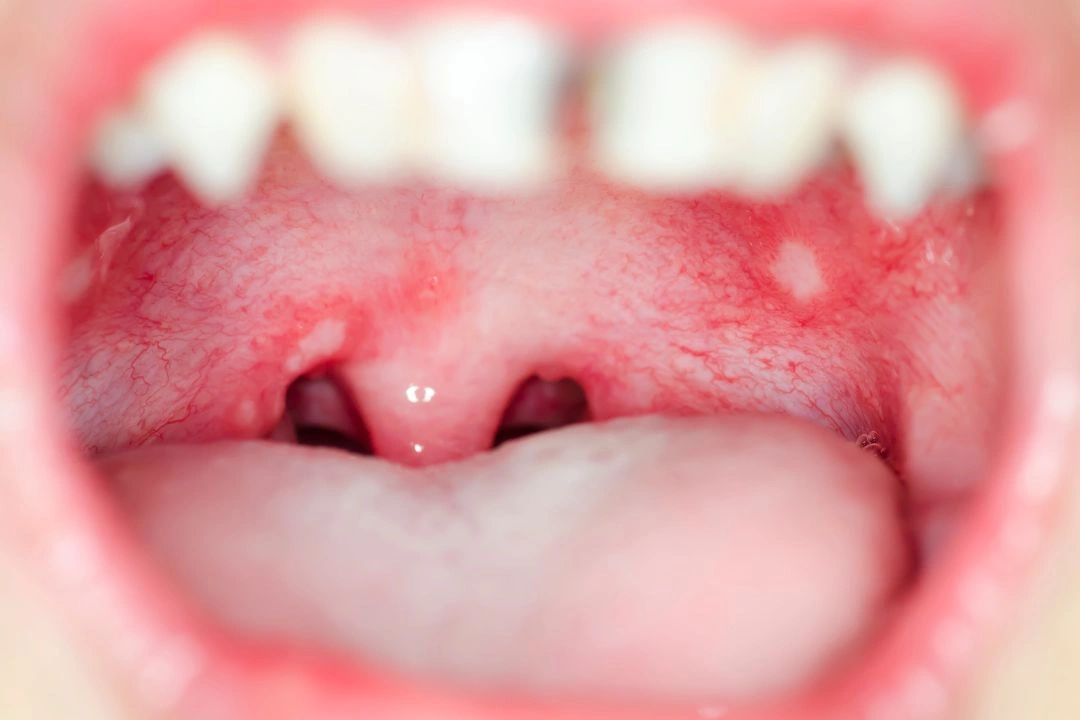
Mouth ulcers, also called oral ulcers or aphthous ulcers, are small open sores that appear on the inner cheeks, tongue, gums, lips, or the floor of the mouth. They are usually round or oval, with a white or yellow center and a red border. Most mouth ulcers are not contagious and heal within one to two weeks.
However, ulcers that occur frequently or do not heal may need medical evaluation.
Common Causes of Mouth Ulcers
One of the most common causes of mouth ulcers is minor injury. This can occur from accidentally biting the inside of the cheek, brushing teeth too aggressively, or irritation caused by dental braces, dentures, or sharp teeth.
Nutritional deficiencies are another major cause. Low levels of iron, vitamin B12, folic acid, or zinc can weaken the lining of the mouth, making it more prone to ulcers. People with poor dietary intake or absorption problems are at higher risk.
Hormonal changes, especially during menstruation or pregnancy, may also contribute to the development of mouth ulcers. Infections, particularly viral infections, can trigger ulcers, especially in children or individuals with reduced immunity.
Triggers That Can Worsen Mouth Ulcers
Certain factors can trigger mouth ulcers or make existing ones more painful. Emotional stress and anxiety are known to weaken the immune system, increasing the likelihood of ulcers. Spicy, salty, or acidic foods can irritate the mouth lining and delay healing.
Smoking, alcohol consumption, and poor oral hygiene may also contribute. Some people are sensitive to ingredients in toothpaste or mouthwash, which can cause irritation and trigger ulcers.
Medical Conditions Linked to Mouth Ulcers
Recurrent or severe mouth ulcers may be associated with underlying medical conditions. Digestive disorders, immune system problems, and chronic illnesses can all increase the risk of oral ulcers. In rare cases, a mouth ulcer that does not heal after two weeks may require further investigation to rule out serious conditions.
Persistent ulcers, especially those that bleed, harden, or grow in size, should always be checked by a doctor.
Mouth Ulcers in Children
Children commonly develop mouth ulcers due to viral infections, accidental bites, or nutritional deficiencies. Ulcers in children may cause difficulty eating, irritability, drooling, or fever. If a child has frequent ulcers or poor healing, medical evaluation is advised.
When to See a Doctor
Most mouth ulcers heal on their own, but medical attention is recommended if an ulcer lasts longer than two weeks, is extremely painful, occurs repeatedly, or is associated with fever, weight loss, or difficulty swallowing.
At LifeCare Hospitals, our doctors assess the cause of mouth ulcers and provide appropriate treatment to relieve pain and prevent recurrence.
Treatment of Mouth Ulcers
Treatment depends on the cause and severity of the ulcer. Mild ulcers often improve with topical gels, antiseptic mouth rinses, and good oral hygiene. If nutritional deficiencies are identified, supplements may be prescribed. Recurrent or severe ulcers may require further medical management.
Prevention Tips for Mouth Ulcers
Preventing mouth ulcers involves maintaining good oral hygiene, eating a balanced diet rich in vitamins and minerals, managing stress, and avoiding foods that irritate the mouth. Staying hydrated and using gentle oral care products can also help reduce the risk.
Why Choose LifeCare Hospitals?
LifeCare Hospitals (LCH Africa) provides comprehensive care for oral health concerns with experienced doctors, modern diagnostic facilities, and patient-centered treatment. We focus on identifying the root cause of mouth ulcers to ensure effective and long-lasting relief.
Frequently Asked Questions
Are mouth ulcers contagious?
Most mouth ulcers are not contagious.
How long do mouth ulcers usually last?
They typically heal within 7 to 14 days.
Can stress cause mouth ulcers?
Yes, stress is a common trigger for recurring mouth ulcers.
Should I worry about frequent mouth ulcers?
Frequent or non-healing ulcers should be evaluated by a doctor.
Conclusion
Mouth ulcers are common and often harmless, but recurring or persistent ulcers should not be ignored. Understanding their causes and triggers can help prevent future episodes and improve oral comfort.
If you are experiencing frequent or painful mouth ulcers, visit LifeCare Hospitals for expert evaluation and personalized care.

