



Picture a forty two year old professional who manages work deadlines, school runs and ageing parents. There are hardly any sick days, just the odd headache or backache that goes away with a pain tablet. The last proper health checkup was years ago, yet everything feels fine. This is exactly the kind of story that makes many people ask why regular health checkups are important after 40.
From the outside, life looks stable in the forties. On the inside, the body starts to change. Blood pressure can creep up, blood sugar can rise and cholesterol can climb, all without obvious warning signs. Non communicable diseases such as heart disease, diabetes, stroke and cancer often develop quietly over many years. The World Health Organization reports that these conditions cause about 41 million deaths each year, around 74 per cent of all deaths worldwide, with many happening from the forties onwards.
Regular preventive health checkups work like insurance for the future. They give a clear picture of health today, reveal hidden risks and offer time to act before problems become emergencies. This guide explains why age 40 is a key health milestone, which tests matter most and how to prepare for an annual physical exam over 40. It also shows how LifeCare Hospitals supports families with careful, compassionate preventive care across its hospitals in Kenya, so that staying well after 40 feels practical rather than frightening.
"An ounce of prevention is worth a pound of cure." — Benjamin Franklin
Key Takeaways
Before diving into the detail, it helps to see the main ideas in one place.
Regular checkups after 40 spot silent problems early. Doctors can act before illness damages the heart, brain or other organs. That early step can save years of healthy life.
Early detection keeps treatment simpler and less costly. Treating diabetes or blood pressure in the early stages needs fewer medicines and fewer hospital visits. Over time this may save large medical bills.
A good health screening after 40 looks at the heart, metabolism, major organs and key cancers. Men and women also need some different tests that focus on their own risks. This mix gives a complete picture of health.
Routine medical checkups create a clear set of numbers for weight, sugar, cholesterol and more. Watching these over time helps guide diet, exercise and other lifestyle changes. Small changes then make a big difference.
LifeCare Hospitals offers easy access to many diagnostic services, including microbiology tests and advanced dental X rays, across branches in Bungoma, Migori, Kikuyu, Meru, Mlolongo and Eldoret. No referral is needed for microbiology tests, which makes regular screening simple to arrange.
Why Age 40 Marks A Critical Health Turning Point
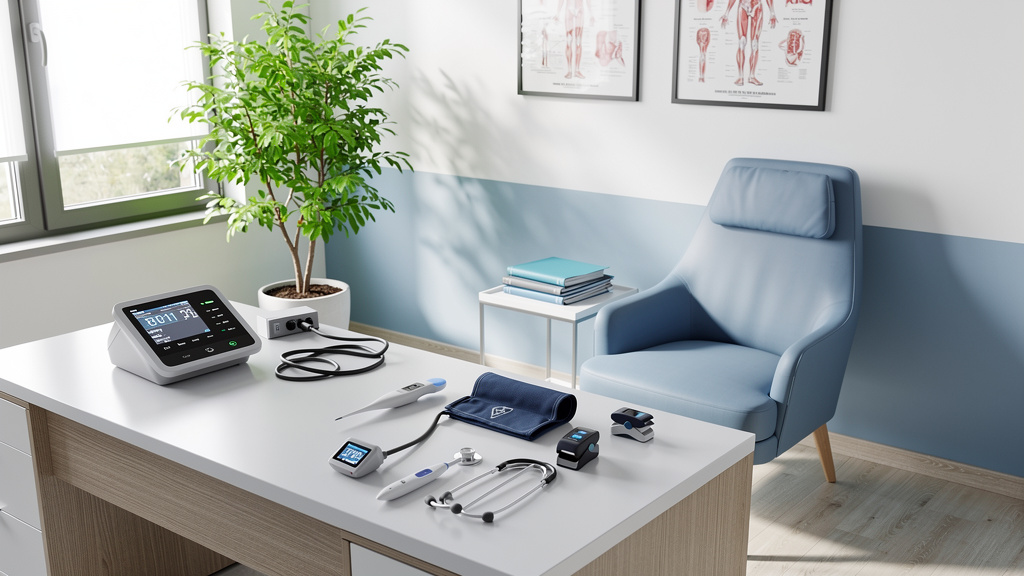
Turning 40 is more than just another birthday. By this age, the body has already carried decades of stress, late nights, hurried meals and long periods of sitting. These habits do not cause trouble overnight. Instead they add up slowly, and the effects often begin to show from the forties onwards through high blood pressure, extra weight around the waist and rising blood sugar.
Many people in this age group are at the peak of career and family responsibility. That same busy life leaves very little time for proper rest, exercise and regular doctor visits. Conditions such as hypertension, type 2 diabetes, high cholesterol and early heart disease can build up quietly. Most people feel well even while their arteries narrow or their pancreas struggles to control sugar levels. That is why age 40 health screening becomes so important.
The numbers from health authorities are worrying but also helpful. Non communicable diseases now cause nearly three quarters of deaths worldwide, and many of these deaths are called premature because they happen before 70. The risk starts to rise in the forties, especially when there is a family history of heart disease, stroke, diabetes or cancer. Genes cannot be changed, but early checks and preventive medicine after 40 can reduce their impact.
Hormonal changes also start to appear in this decade. Metabolism slows, so weight is easier to gain and harder to lose, even with the same diet. Women approach menopause, which affects bone health and heart risk, while men may notice changes in energy and urinary habits. All of this means health care should move from a reactive style, waiting for sickness, to a proactive style based on regular screening. LifeCare Hospitals understands these age specific needs and supports people in their forties with thoughtful, science based care that fits real life.
The Comprehensive Benefits Of Regular Health Screenings
Regular health screenings after 40 offer far more than a set of numbers on a report. They protect life, save money, guide daily choices and calm the mind. Instead of waiting for illness to appear, they turn health monitoring after 40 into a planned routine that supports long term wellbeing.
Early Detection Saves Lives
The single biggest benefit of midlife health checkups is early detection. Conditions such as cancer, diabetes and heart disease are much easier to manage when they are picked up at the start. A colonoscopy can find small growths in the bowel before they become cancer. A simple blood test can show prediabetes while blood sugar is only slightly raised, when lifestyle changes can still bring it back to normal. At LifeCare Hospitals, advanced microbiology testing adds another layer by accurately finding infections and other hidden problems, which allows doctors to choose the right treatment without delay.
"The best time to treat a heart attack is before it happens." — Common saying in preventive cardiology
Significant Financial Savings
Preventive care after 40 also makes sense for the wallet. A yearly health screening package usually costs far less than one hospital stay for a heart attack, stroke or advanced cancer. When problems are found early, they often need fewer medicines, shorter stays and less time off work. Over the years this gap can add up to many thousands or even large sums of money saved in treatment costs. Because LifeCare Hospitals offers diagnostic services across several branches, families can access affordable tests without extra travel expenses.
Empowerment Through Knowledge
Knowledge about personal health is powerful. A report that lists blood pressure, cholesterol, sugar, kidney and liver numbers gives a clear, honest picture of where things stand. By repeating these tests at a regular interval, perhaps once a year, it becomes easy to see trends, not just one off readings. That helps decide whether to adjust diet, increase exercise or review medicines. At LifeCare Hospitals, experienced staff members explain test results in simple language so that people understand what each number means and what steps make sense next.
Peace Of Mind And Reduced Anxiety
Many people quietly worry about their health but avoid checkups because they fear bad news. Regular screening can actually reduce that anxiety. When tests come back normal, there is real reassurance rather than guesswork. When something abnormal appears, it is usually picked up early enough for calm, planned action instead of panic. Over time, this steady routine of annual wellness visits builds confidence that health is being looked after in a sensible, responsible way.
Essential Health Tests Every Person Over 40 Needs
A good health screening after 40 covers the whole body instead of just one organ. It includes blood tests, heart checks, imaging studies and simple physical measurements. Together, these give a rounded view of current health and future risk. LifeCare Hospitals provides many of these services under one roof, which makes it easier to keep to a routine health screening schedule.
Core Annual Blood Tests

Core blood tests form the base of any preventive health checkup. A Complete Blood Count checks red blood cells, white blood cells and platelets, helping to find anaemia, infection or blood disorders. Fasting blood sugar and HbA1c work together to show both current sugar levels and the average over about three months, which helps to pick up diabetes and prediabetes before they cause serious damage.
A lipid profile measures total cholesterol, LDL, HDL and triglycerides, which gives a clear picture of heart and stroke risk. Thyroid Stimulating Hormone testing helps to detect over active or under active thyroid problems that can cause tiredness, weight change, mood swings or palpitations. Liver and kidney function tests show how well these vital organs are working long before symptoms appear. Checking vitamin D and B12 levels is also wise in the forties, as low levels are common and can cause fatigue, weak bones and nerve symptoms. LifeCare Hospitals supports all these tests with comprehensive microbiology services, so infections and other concerns can be identified accurately without any referral.
Cardiovascular Health Assessments
Heart health becomes a major focus for anyone planning health maintenance after 40. Regular blood pressure checks are essential because hypertension rarely shows symptoms until it causes damage. An electrocardiogram records the electrical activity of the heart and helps detect rhythm problems or signs of past injury. When someone has several risk factors, such as smoking, diabetes or strong family history, a treadmill stress test can show how well the heart copes with effort. Since cardiovascular disease is the leading cause of non communicable deaths worldwide, early checking helps to prevent heart attacks and strokes rather than just reacting to them.
Imaging And Diagnostic Screenings
Imaging tests give doctors a direct view inside the body. A chest X ray can show lung infections, long term lung disease and changes in heart size. An abdominal ultrasound uses sound waves to look at the liver, gallbladder, pancreas, spleen and kidneys, picking up stones, cysts and other problems before they cause pain. Dental X rays are another important part of midlife health screening. LifeCare Hospitals runs an advanced Dental X Ray Centre with digital technology that uses up to eighty per cent less radiation than older film based methods. These images reveal cavities, gum disease and hidden tooth issues that may affect chewing, speech and even heart health, as poor dental health has been linked with other medical problems.
Body Composition And Physical Measurements
Simple measurements still carry strong messages. Calculating Body Mass Index from height and weight shows whether someone is underweight, healthy weight, overweight or obese. Measuring waist and hip size gives extra detail because fat around the abdomen is closely linked with diabetes and heart disease. Watching these figures during annual physical exams over 40 helps guide weight management, exercise plans and diet changes. Small improvements in these numbers over time can strongly reduce long term risk.
Gender-Specific Screenings That Could Save Your Life
While many health tests are the same for everyone, some screenings are especially important for one gender. From the forties onwards, breast, cervical, prostate and bone health checks can make the difference between quick treatment and advanced disease. Taking these tests seriously is a form of care for oneself and for loved ones who depend on that person.
Essential Screenings For Women Over 40

For women, breast and cervical cancer screening become key parts of preventive care after 40. A mammogram is a specialised X ray of the breasts that can detect tiny changes long before a lump is felt. When breast cancer is found early, survival rates can be well over ninety per cent, and treatment may be much simpler. It is wise to follow a regular mammogram schedule as advised by a gynaecologist or breast specialist.
Pap smear testing checks cells from the cervix for early changes that could lead to cancer, while HPV testing looks for the virus that causes most cervical cancers. These tests have reduced death from cervical cancer wherever they are used widely. From the forties onward, a bone density scan, often called a DEXA scan, is also very helpful, especially for women after menopause. It measures bone strength and helps doctors act early to prevent fractures. Preparing for these tests is simple, usually involving comfortable clothing and, for mammograms, avoiding perfumes or powders on the day. Regular gynaecological checkups at centres such as LifeCare Hospitals help women keep all these screenings on track.
Critical Screenings For Men Over 40
Men sometimes avoid talking about health, especially when it comes to private areas, but prostate screening can be life saving. A blood test called Prostate Specific Antigen measures a protein made by the prostate gland. Higher levels can suggest prostate cancer or other changes that need review. A Digital Rectal Examination allows the doctor to feel the gland for lumps or irregular areas that might not show in blood tests alone.
There are debates about when and how often to screen, which is why an honest talk with a trusted doctor is so important. Men with a family history of prostate cancer or symptoms such as poor urine flow should be especially alert. Catching prostate cancer early often keeps treatment local and far more effective. LifeCare Hospitals encourages men to bring their concerns without shame, so that screening and advice feel comfortable and respectful.
Common Health Conditions Detected Through Regular Checkups
Routine health screening after 40 often reveals conditions in people who believe they are perfectly healthy. High blood pressure is a clear example. Many people discover raised readings for the first time during a routine visit. Left unchecked, this quiet change can damage the heart, brain, kidneys and eyes. Abnormal cholesterol, known as dyslipidaemia, is another silent risk that is common in this age group and strongly linked with heart attacks and strokes.
Type 2 diabetes and prediabetes are frequently found through fasting blood sugar and HbA1c tests. Studies show that a large share of people living with diabetes do not know they have it until screening picks it up. Regular doctor visits bring these numbers into the open while there is still time to adjust lifestyle and begin treatment before complications set in.
Screening tests also find early cancers, such as breast, cervical, bowel and prostate cancers. When these are discovered at an early stage, treatment success is far higher and less aggressive. Thyroid problems, which can cause tiredness, weight change, and mood issues, are often diagnosed for the first time in the forties. Simple blood tests pick up these imbalances quickly.
Further checks may reveal kidney or liver problems before they lead to swelling, jaundice or other clear signs. Nutritional deficiencies such as anaemia, vitamin D and B12 shortages are also common findings and may explain long standing fatigue or poor concentration. Bone density scans show osteoporosis, especially in women, before a major fracture occurs. LifeCare Hospitals supports this full picture with advanced microbiology testing, which helps doctors identify infections and other hidden causes of illness accurately, leading to focused treatment and fewer complications.
How To Prepare For Your Health Checkup
Good preparation makes an annual wellness visit smoother and test results more accurate. It also helps to reduce worry, because you know what to expect. Thinking through a few simple steps in advance turns a long list of tests into an organised, manageable plan.
Before booking, it helps to ask the hospital or diagnostic centre which tests are included, whether your family history means you need extra checks and how long the visit will take. Sharing past reports and a list of current medicines with your doctor allows them to choose the right health tests for 40 year olds rather than a standard set that may not suit your needs.
Many blood tests need fasting for ten to twelve hours, usually overnight. During this time you can drink plain water but should avoid food, tea, coffee and sweet drinks. It is also wise to avoid alcohol, caffeine, smoking and very salty or fatty foods for a day before the checkup because these can change some readings. On the day itself, skip heavy exercise so that heart rate and certain blood markers reflect your usual state, not your workout.
Some tests need special steps. For an abdominal ultrasound you may be asked to arrive with a full bladder or avoid certain foods for several hours. For a mammogram, deodorants, powders and perfumes on the underarm or chest area can interfere with images, so it is better not to use them that morning. For a Pap smear, doctors usually suggest waiting a few days after a period ends and avoiding intercourse, tampons or vaginal creams for a day or two before the test.
Bring along previous health records, a written list of medicines and doses, and any questions you want to ask. Thinking of the visit as an act of self care, rather than something to fear, can greatly change the experience. At LifeCare Hospitals, staff explain each step, guide patients between departments and answer questions with patience, which helps people feel calm and supported throughout the process.
The Synergy Between Regular Checkups And A Healthy Lifestyle
Some people say they eat well, exercise and sleep enough, so they do not need health screening. Others rely only on tests and hope tablets will fix any problem that appears. In truth, long term health after 40 rests on both lifestyle and regular checkups working together.
Even the healthiest lifestyle cannot change age or family history. A person who runs daily and eats clean food can still develop high blood pressure or cancer because of genetic or environmental factors. Regular health monitoring after 40 checks whether good habits are truly protecting the body or whether extra steps are needed. Test results help fine tune lifestyle, showing if weight control is good enough, if salt intake should be reduced or if stress is still affecting blood pressure.
On the other hand, numbers on a report often provide motivation to improve habits. Seeing a slightly raised sugar level can push someone to cut back on sweets and add a daily walk. Watching cholesterol fall from one year to the next after diet changes brings real satisfaction and encourages people to continue. A balanced diet full of fruits, vegetables, whole grains and lean proteins, at least one hundred and fifty minutes of moderate exercise each week, seven to nine hours of sleep and healthy stress management all work better when guided by regular test results. LifeCare Hospitals supports this approach by combining diagnostic services with advice and education, helping people build steady, realistic routines rather than short bursts of effort.
Taking The First Step Scheduling Your Health Checkup At LifeCare Hospitals

Deciding to book a checkup is often the hardest part. Once that choice is made, it helps to pick a hospital that offers both advanced technology and kind, respectful care. LifeCare Hospitals brings together these strengths across its centres in Bungoma, Migori, Kikuyu, Meru, Mlolongo and Eldoret, supported by the LifeCare Foundation.
The hospitals provide wide ranging diagnostic services, including comprehensive microbiology testing without the need for a referral. This means infections and other concerns can be identified quickly and accurately. The Dental X Ray Centre uses modern digital equipment that gives clear images with much lower radiation exposure, supporting safe, regular checks as part of preventive care. Alongside these are experienced doctors, microbiologists, radiographers and nurses who use the latest diagnostic techniques for heart, abdominal and other assessments.
At every stage, the focus stays on the patient. Test results are explained in simple words, questions are welcomed and next steps are mapped out together. You can call your nearest LifeCare hospital, walk in to the reception desk or visit the website to ask about preventive health checkups and booking options. For anyone over 40, choosing a date and putting it on the calendar is a strong, positive step towards many more active, healthy years.
Conclusion
Reaching 40 is a sign of experience and responsibility, and it is also a sign that health needs closer attention. This is the age when hidden problems such as hypertension, diabetes, high cholesterol and early cancers become more common, even in people who feel perfectly well. Regular health checkups after 40 turn the focus from guessing to knowing, from reacting to planning ahead.
The benefits are wide. Early detection gives the best chance of simple, successful treatment. Preventive care often costs far less than managing late stage disease. Clear test results guide daily habits and bring peace of mind, instead of quiet worry about what might be wrong. For families, one person’s good health supports children, partners and ageing parents as well.
Taking the first step may feel a little uncomfortable, yet it is one of the kindest choices anyone can make for themselves. A planned, yearly assessment is an investment in long life, steady energy and freedom from sudden health shocks. LifeCare Hospitals stands ready as a trusted partner in this path, offering careful, compassionate screening and guidance. Booking that health checkup now can help secure many more years of active, fulfilling life after 40.
FAQs
Question 1 How Often Should I Have A Health Checkup After Turning 40
Most people over 40 benefit from a full health checkup once every year. This rhythm allows doctors to pick up changes in blood pressure, sugar, cholesterol and other markers before they cause damage. If you already have conditions such as diabetes or heart disease, your doctor may advise more frequent reviews. A personalised plan can be made during your next visit.
Question 2 Are Health Checkups Expensive And Is It Worth The Cost
There is a clear cost to an annual screening package, but it is far smaller than the expense of treating advanced disease. One emergency admission for heart attack, stroke or uncontrolled diabetes can lead to large hospital bills and lost income. Early detection keeps treatment simpler and shorter, which saves money over time. LifeCare Hospitals offers accessible diagnostic services across its branches so families can choose options that suit their budget.
Question 3 What If My Test Results Show Something Abnormal Should I Be Worried
An abnormal result does not always mean a serious disease. Sometimes it reflects a temporary change, a laboratory variation or a very early stage problem that is easy to manage. Your doctor may repeat the test or order another one to confirm the finding. The main point is that early discovery gives the best chance for good outcomes. At LifeCare Hospitals, staff explain each result calmly and clearly so that fear does not take over.
Question 4 Can I Skip Certain Tests If I Feel Healthy And Have No Symptoms
Skipping recommended tests is not a safe idea, even when you feel fine. Most chronic diseases that appear after 40 start silently, with no obvious warning signs. High blood pressure, high cholesterol, prediabetes and early cancers often show no symptoms at all. Screening is designed to find these hidden problems before they show themselves. A complete check gives far better protection than choosing tests at random.
Question 5 I Have A Family History Of Heart Disease And Diabetes Do I Need Different Or Additional Tests
A strong family history of heart disease or diabetes does increase personal risk. In such cases, doctors may advise starting health screening earlier, repeating tests more often or adding extra checks, such as advanced heart assessments or special cholesterol tests. Sharing details about parents and siblings helps doctors judge this risk correctly. LifeCare Hospitals physicians can design a screening plan that fits your history and current health, so that you stay ahead of potential problems.
Question 6 How Do I Prepare For A Health Checkup To Make Sure Results Are Accurate
Good preparation begins a day or two before the visit. For most blood tests, you need to fast for ten to twelve hours, drinking only water. It is best to avoid alcohol, caffeine and hard exercise the day before, and never stop regular medicines without asking your doctor. Bring earlier reports and a list of current tablets. Follow any special instructions given for tests such as ultrasound, mammogram or Pap smear. The detailed section in this article on preparation can also guide you, and LifeCare staff are happy to answer questions when you book.

