
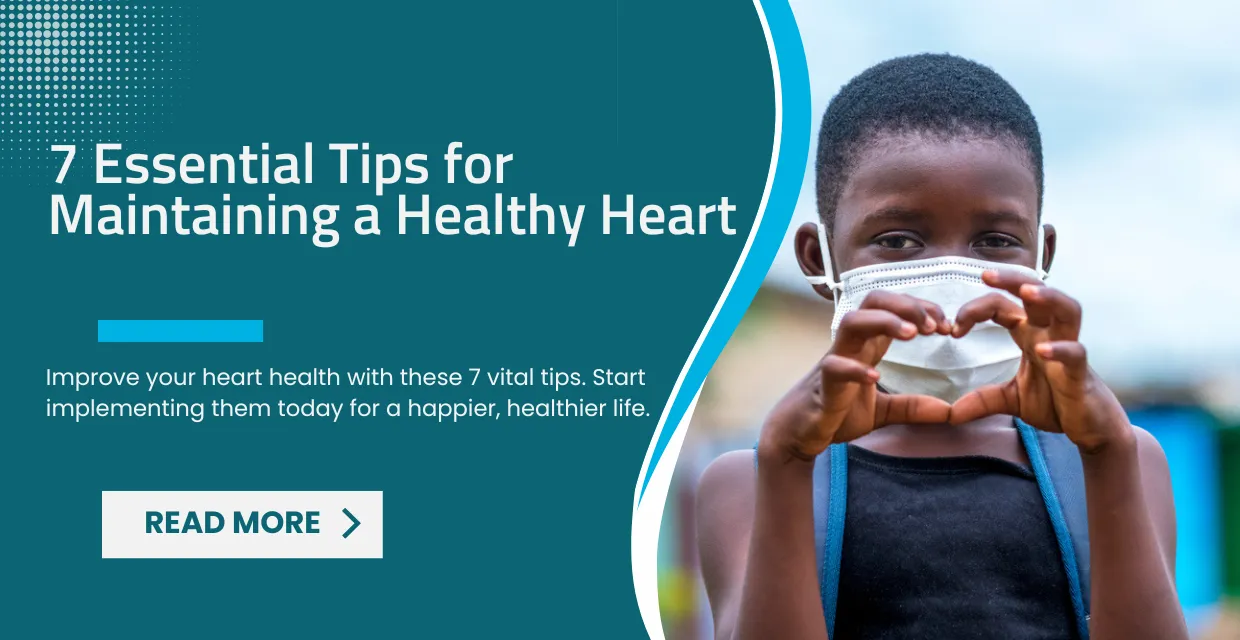
7 Essential Tips for Maintaining a Healthy Heart
Your heart is the engine of your body. It pumps blood to every organ, delivering oxygen and nutrients while removing waste. Yet, cardiovascular diseases (CVDs) remain the leading cause of death worldwide. In Kenya, the incidence of heart-related conditions is on the rise, often driven by changing lifestyles, urban stress, and dietary shifts. The good news is that many types of heart disease are preventable through intentional living and proactive healthcare.
At LifeCare Hospitals Kenya, our cardiology department is dedicated to not just treating heart disease, but preventing it. We believe that a healthy heart is the foundation of a long and vibrant life. In this comprehensive guide, we provide you with seven essential tips to keep your heart in peak condition, backed by the latest medical research and clinical expertise.
1. Adopt a Heart-Healthy Nutrition Plan
What you put on your plate is the most significant factor in your cardiovascular health. A heart-healthy diet helps control your weight, blood pressure, and cholesterol levels. However, it’s not about restrictive dieting; it’s about making sustainable, nutrient-dense choices.
The Anti-Inflammatory Power of Food
Chronic inflammation in the blood vessels is a key driver of atherosclerosis (hardening of the arteries). Foods rich in antioxidants and healthy fats can combat this inflammation. We recommend following a pattern similar to the Mediterranean diet but adapted for the Kenyan context.
- Choose Healthy Fats: Replace saturated and trans fats with monounsaturated and polyunsaturated fats. Use olive oil or avocado oil, and include fatty fish like salmon or local variants high in Omega-3s.
- Limit Sodium (Salt): High salt intake is directly linked to hypertension. Try flavoring your food with herbs, spices, and lemon juice instead of table salt.
- Focus on Fiber: Soluble fiber, found in oats, beans, and fruits, acts like a sponge, soaking up "bad" LDL cholesterol and carrying it out of the body.
- Traditional Kenyan Superfoods: Incorporate traditional greens like Sukuma Wiki and Managu, which are rich in potassium—a mineral that helps regulate blood pressure.
2. Prioritize Consistent Physical Activity
The heart is a muscle, and like any muscle, it needs exercise to stay strong. Regular physical activity makes your heart a more efficient pump, allowing it to move more blood with less strain.
The 150-Minute Rule
Most heart associations recommend at least 150 minutes of moderate-intensity aerobic activity per week. This can be broken down into 30 minutes a day, five days a week. Activities like brisk walking, swimming, or cycling are excellent choices.
Incorporating Strength Training
Don't just stick to cardio. Strength training twice a week helps build lean muscle mass, which improves your metabolism and helps control blood sugar—both of which reduce the load on your heart.
3. Monitor and Manage Your Blood Pressure
Hypertension is often called the "silent killer" because it rarely has symptoms until significant damage has occurred. High blood pressure puts constant pressure on the walls of your arteries, making them more likely to rupture or become clogged.
At LifeCare Hospitals, we emphasize the importance of regular blood pressure checks. Knowing your numbers is the first step toward management. A reading of 120/80 mmHg is considered optimal. If your numbers are consistently higher, our cardiologists can help you develop a plan involving lifestyle changes and, if necessary, medication to protect your heart.
4. Master Stress Management Techniques
In our modern, fast-paced world, chronic stress is an under-recognized threat to heart health. High levels of cortisol (the stress hormone) can increase heart rate, blood pressure, and inflammatory markers.
The Mind-Heart Connection
Studies show that individuals who experience chronic stress or unmanaged anger have a higher risk of heart attacks. Finding ways to decompress is not a luxury; it is a medical necessity.
- Practice Mindfulness: Even five minutes of deep breathing or meditation daily can lower your baseline stress levels.
- Physical Hobbies: Engaging in activities you enjoy, whether it's gardening, dancing, or playing an instrument, release endorphins that counteract stress hormones.
- Professional Support: If you feel overwhelmed, speaking with a mental health professional can provide you with tools to manage your emotional health and protect your physical heart.
5. Ensure Quality and Sufficient Sleep
Sleep is when your body repairs itself. During deep sleep, your heart rate and blood pressure drop, giving your cardiovascular system a much-needed rest. Chronic sleep deprivation is linked to an increased risk of obesity, high blood pressure, and heart disease.
Aim for 7 to 9 hours of uninterrupted sleep per night. If you wake up feeling unrefreshed or if you are told that you snore loudly, you may have sleep apnea—a condition where your breathing stops and starts during sleep. Sleep apnea is a major risk factor for heart failure and stroke, and at LifeCare Hospitals, we provide specialized sleep studies to diagnose and treat this condition.
6. Schedule Regular Cardiovascular Screenings
Prevention is better than cure, and early detection is the key to prevention. Regular check-ups allow your doctor to identify risk factors before they become life-threatening problems. A comprehensive heart screening at LifeCare Hospitals include:
- Lipid Profile: To measure your total cholesterol, LDL, HDL, and triglycerides.
- Blood Sugar (HbA1c): To screen for diabetes, which significantly increases heart disease risk.
- Electrocardiogram (ECG): A simple test that records the electrical activity of your heart to detect irregularities.
- Echocardiogram: An ultrasound of the heart that provides detailed images of heart valves and muscle function.
7. Eliminate Tobacco and Limit Alcohol
Toxins from tobacco products damage your heart and blood vessels, leading to the buildup of plaque in the arteries. Whether it's cigarettes, vapes, or shisha, there is no safe level of tobacco use for your heart.
Similarly, while some studies suggest moderate alcohol consumption might have benefits, excessive drinking can lead to high blood pressure, heart failure, and an increased calorie intake that leads to obesity. We recommend strictly following recommended guidelines or, ideally, avoiding these substances altogether to ensure maximum arterial health.
Conclusion: Your Heart, Our Priority at LifeCare Hospitals
Maintaining a healthy heart requires a lifelong commitment, but you don't have to do it alone. At LifeCare Hospitals Kenya, our world-class cardiology centers are equipped with the latest diagnostic and therapeutic technologies, including advanced Cath Labs and 24/7 cardiac emergency services.
By following these seven tips—eating well, moving more, managing stress, and seeking regular medical advice—you are taking the most important steps toward a heart-healthy future. Your heart has been working for you every second since before you were born. Now, it's time for you to do something for your heart.
Frequently Asked Questions (FAQs)
What is a "normal" heart rate?
A normal resting heart rate for adults typically ranges from 60 to 100 beats per minute. Highly trained athletes may have lower resting rates.
How often should I have my cholesterol checked?
Healthy adults should have a lipid profile once every 4-6 years. If you have existing risk factors like diabetes or obesity, your doctor may recommend annual testing.
Can a "broken heart" actually affect health?
Yes, "Broken Heart Syndrome" (Takotsubo cardiomyopathy) is a real medical condition triggered by extreme emotional stress that causes temporary heart muscle failure.
How many eggs are safe for the heart?
Most healthy individuals can safely consume up to 7 eggs per week without increasing their risk of heart disease, provided they maintain a balanced diet.