
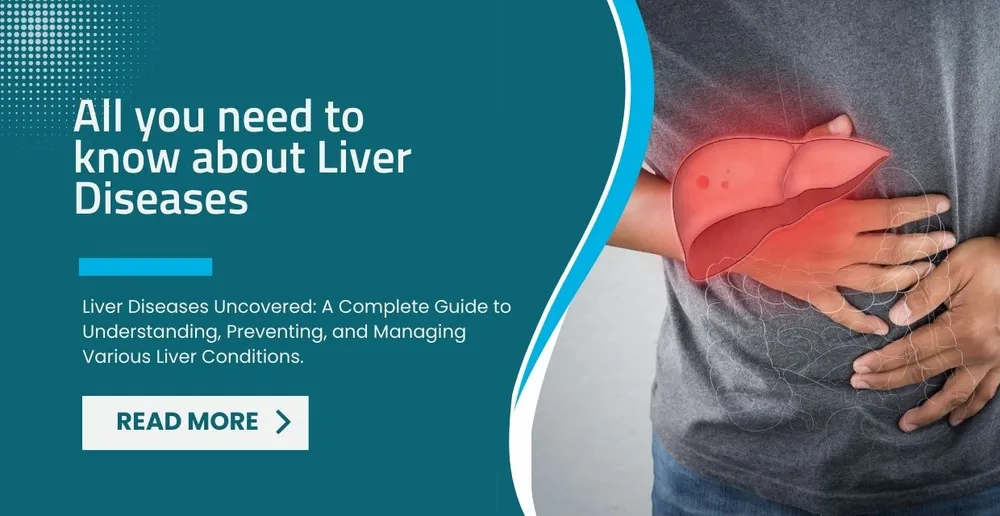
All You Need to Know About Liver Diseases
The liver is often called the "chemical laboratory" of the body. It is the only organ that can regenerate itself and is responsible for over 500 essential functions, including detoxifying blood, synthesizing proteins, producing bile for digestion, and storing vitamins and minerals. Despite its resilience, the liver is susceptible to a wide range of diseases that can significantly impair your health if left undetected.
In Kenya, we are seeing an increase in liver-related conditions, ranging from viral hepatitis to fatty liver disease associated with changing diets. Because the liver has few pain receptors, many liver diseases are "silent" and only show symptoms when they have reached an advanced stage. At LifeCare Hospitals, our gastroenterology departments are focused on early detection and comprehensive management of these conditions. This guide provides everything you need to know to take care of your liver.
1. Common Types of Liver Disease
Liver diseases can be broadly categorized based on their cause: infections, lifestyle factors, or genetics.
Viral Hepatitis
Hepatitis means inflammation of the liver. The most common types are Hepatitis A, B, and C.
- Hepatitis A: Spread through contaminated food and water. It usually causes an acute (short-term) illness and doesn't lead to chronic disease. Vaccination is highly effective.
- Hepatitis B & C: Spread through contact with infected blood or body fluids. These can become chronic, leading to cirrhosis and liver cancer. At LifeCare, we offer advanced antiviral therapies that can now cure Hepatitis C and effectively manage Hepatitis B.
Non-Alcoholic Fatty Liver Disease (NAFLD)
This is the fastest-growing liver condition globally. It occurs when too much fat is stored in liver cells. While it is often seen in individuals who are overweight or have diabetes, it can affect anyone. Over time, it can lead to NASH (Non-Alcoholic Steatohepatitis), a more severe form that causes inflammation and scarring.
Alcohol-Related Liver Disease
Excessive alcohol consumption over many years causes the liver to become inflamed. This progresses from fatty liver to alcoholic hepatitis and eventually to cirrhosis.
2. Recognizing the Signs and Symptoms
Because the liver is slow to complain, you should be vigilant for these early and late-stage warning signs:
- Jaundice: Yellowing of the skin and the whites of the eyes, caused by a buildup of bilirubin.
- Abdominal Pain and Swelling: Often felt on the right side under the ribs.
- Swelling in the Legs and Ankles: A condition known as edema.
- Itchy Skin: Caused by bile salts accumulating in the skin.
- Dark Urine and Pale Stool: Changes in the color of your waste.
- Chronic Fatigue: Feeling exhausted despite getting enough rest.
3. Risk Factors: What Puts Your Liver at Risk?
Understanding your risk is the first step toward prevention. Key risk factors include:
- Heavy alcohol use.
- Obesity and a high-sugar diet.
- Type 2 Diabetes.
- Sharing needles or exposure to non-sterile medical equipment.
- Unprotected sex.
- Certain herbal supplements and toxins.
4. Advanced Diagnosis at LifeCare Hospitals
We believe in high-tech, low-impact diagnostics. Gone are the days when a liver biopsy was the only way to check for scarring.
The FibroScan Breakthrough
LifeCare Hospitals is proud to offer FibroScan, a non-invasive technology that uses ultrasound waves to measure the stiffness of your liver and the amount of fat buildup. It is painless, takes only 10 minutes, and provides immediate results without the need for a needle biopsy.
Standard Screenings
- Liver Function Tests (LFTs): A blood test that measures various enzymes and proteins in your blood produced by the liver.
- Ultrasound/CT/MRI: To visualize the physical structure of the liver and detect any masses or abnormalities.
5. Prevention and Management
The good news is that many liver diseases are preventable or even reversible in their early stages.
- Get Vaccinated: Ensure you and your family are vaccinated against Hepatitis A and B.
- Maintain a Healthy Weight: Reducing liver fat through diet and exercise is the primary treatment for NAFLD.
- Avoid Toxins: Be careful with medications (including over-the-counter painkillers like Paracetamol), as the liver must process them. Never mix alcohol with medication.
- Drink Responsibly: If you drink, do so in moderation, and have several alcohol-free days each week.
Conclusion: Respect Your Liver
Your liver works 24/7 to keep you alive. When it fails, every other system in your body feels the impact. By making small lifestyle changes and getting regular screenings, you can ensure your liver continues to serve you for a lifetime. If you have any risk factors or symptoms, do not wait for the "silent" organ to scream in pain.
Visit the gastroenterology experts at LifeCare Hospitals Kenya. We have the technology, the expertise, and the holistic care approach needed to protect one of your most vital assets. Your health is our priority.
Frequently Asked Questions (FAQs)
Can the liver really regenerate?
Yes! The liver is unique. If even 25% of a healthy liver remains, it can grow back to its full size within weeks. However, advanced scarring (cirrhosis) limits this ability.
What is the difference between Hepatitis and Cirrhosis?
Hepatitis is the inflammation of the liver (often from a virus). Cirrhosis is the late stage of scarring caused by long-term inflammation from various causes.
Is coconut oil good for the liver?
While some studies suggest benefits, coconut oil is high in saturated fat. Moderation is key. A diet rich in unsaturated fats (like olive oil) is generally better for liver health.
Can a "Liver Detox" supplement help?
Be cautious. Many "detox" products are unproven and some can actually cause liver injury. The best way to detox is to drink water and eat a clean, balanced diet.