
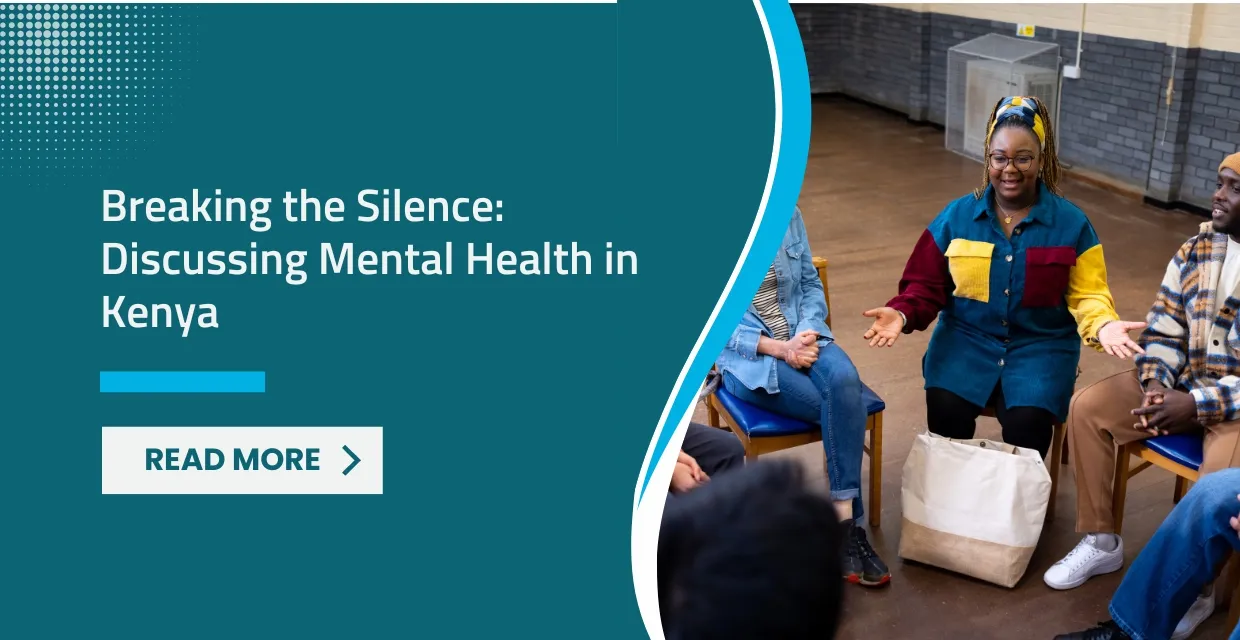
Breaking the Silence: Discussing Mental Health in Kenya
For a long time in Kenya, mental health was a subject whispered about behind closed doors, if it was discussed at all. Clinical conditions like depression and anxiety were often misunderstood as "laziness," "spiritual weakness," or even "bad luck." This cultural silence created a barrier that prevented millions of Kenyans from seeking the help they needed, leading to broken families, lost productivity, and tragic loss of life.
But the tide is finally turning. More than ever, Kenyans are speaking out. High-profile figures are sharing their struggles, youth are advocating for change, and medical institutions are prioritizing psychiatric and psychological care. At LifeCare Hospitals Kenya, we believe that **mental health is health**. There is no shame in seeking support for your mind, just as there is no shame in seeking help for a broken bone. In this guide, we break down the complexities of mental health and how we can all work together to "Break the Silence."
1. Why the Silence Exists: Understanding Cultural Stigma
Stigma is the greatest obstacle to mental healthcare. In many Kenyan communities, there is a perception that mental illness is a family "disgrace" or a sign of personal failure. This leads to isolation, where the person suffering is hidden away rather than treated.
We need to understand that mental illnesses are often rooted in biology—imbalances in brain chemicals, genetic predispositions, and the physiological effects of trauma. By treating mental health as a medical reality, we can strip away the stigma and focus on the solution: recovery.
2. Common Conditions: They Are More Frequent Than You Think
Mental health conditions don't discriminate. They affect the rich and the poor, the young and the old. The most common issues we see at LifeCare include:
Depression
More than just "feeling sad," clinical depression is a persistent state of low mood and loss of interest that interferes with daily life. It can affect your appetite, sleep, and physical energy. It is a leading cause of disability worldwide.
Anxiety Disorders
While everyone feels anxious sometimes, an anxiety disorder involves excessive, uncontrollable worry that makes it difficult to function. This can manifest as panic attacks, phobias, or social anxiety.
Post-Traumatic Stress Disorder (PTSD)
Many Kenyans have experienced or witnessed traumatic events—from accidents to violence. PTSD is the brain's "frozen" response to that trauma, causing intrusive memories, nightmares, and a constant state of "high alert."
3. Recognizing the Signs: When to Seek Help
How do you know when it's time to talk to a professional? Look for these "red flags":
- Withdrawal from friends, family, and activities you used to enjoy.
- Major changes in eating or sleeping habits (too much or too little).
- Persistent feelings of hopelessness, worthlessness, or helplessness.
- Inability to perform daily tasks like work or personal hygiene.
- Substance abuse (using alcohol or drugs to "cope").
- Thoughts of self-harm or suicide.
4. LifeCare's Commitment to Mental Health
At LifeCare Hospitals, we provide a safe, confidential, and empathetic environment for mental healthcare. Our services include:
- Professional Counseling and Therapy: One-on-one sessions with licensed psychologists to develop coping strategies and process trauma.
- Psychiatric Consultation: When medication is needed to balance brain chemistry, our psychiatrists provide careful, evidence-based management.
- Youth and Adolescent Support: Addressing the unique challenges faced by Kenya's younger generation, from academic pressure to cyberbullying.
- Family Therapy: Helping families understand how to support a loved one during their recovery journey.
5. How You Can Help Someone Else
You don't need to be a doctor to save a life. You just need to be a friend.
- Listen Without Judgment: Don't try to "fix" their problem immediately. Just let them know they are heard.
- Use Supportive Language: Avoid saying "just be positive" or "man up." Instead, say "I can see you're struggling, and I'm here for you."
- Offer Practical Support: Help them book an appointment or accompany them to their first session at LifeCare.
- Respect Their Privacy: Never share someone's mental health struggle with others without their permission.
Conclusion: Speaking Up is the First Step
Breaking the silence is not just about talking; it's about listening, empathy, and action. If you are struggling today, please know that you are not alone. There is hope, there is treatment, and there is a community at LifeCare Hospitals Kenya ready to support you. Your mind is your most precious asset—let's take care of it together.
The conversation has started. Let's keep it going until every Kenyan feels safe enough to say, "I'm not okay, and I need help."
Frequently Asked Questions (FAQs)
Is my conversation with a counselor private?
Yes, absolutely. Confidentiality is the cornerstone of mental healthcare. What you discuss in your session stays between you and your therapist, except in very specific cases where there is an immediate risk of harm to yourself or others.
Do I have to take medicine for my mental health?
Not necessarily. Many people find success through therapy alone. Medication is an option that you and your psychiatrist will discuss together if it's felt that it could help your progress.
How can I afford mental healthcare?
At LifeCare, we strive to make our services accessible. Many insurance providers in Kenya now cover mental health consultations and therapy. We also offer various session packages to help manage costs.
Does mental illness mean you are "crazy"?
No. "Crazy" is a stigmatizing and inaccurate term. Mental health conditions are medical issues that affecting the brain and emotions—just like asthma affects the lungs or diabetes affects the pancreas.