
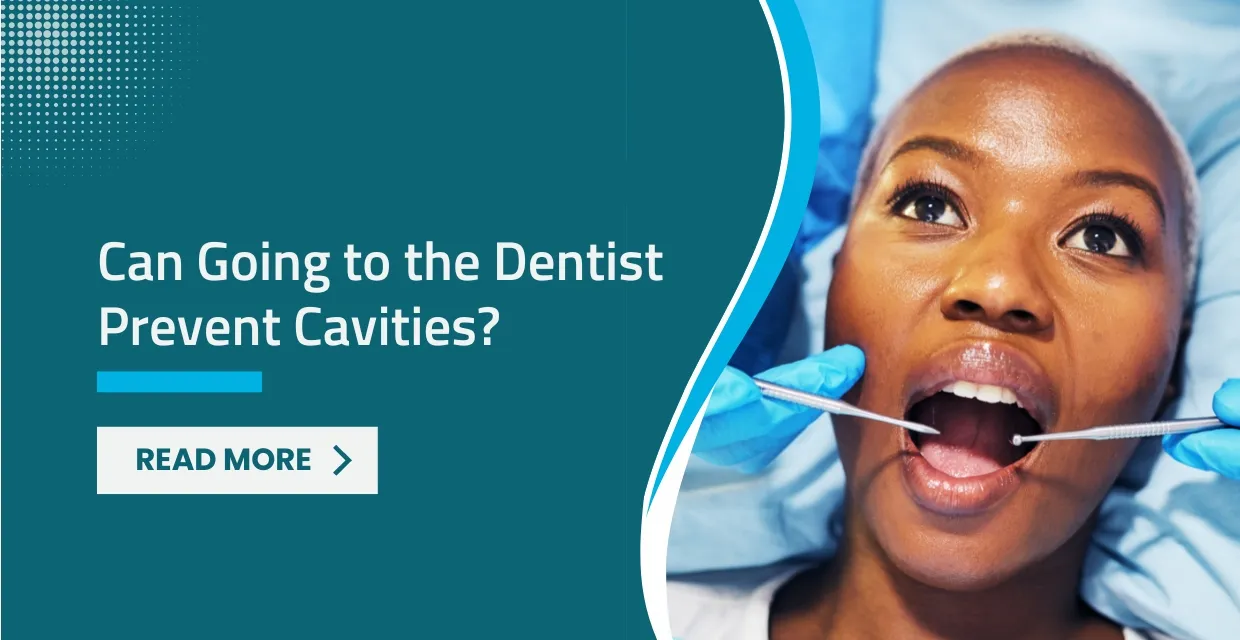
Can Going to the Dentist Prevent Cavities? The Power of Preventive Care
A cavity is a permanently damaged area in the hard surface of your teeth that develops into tiny openings or holes. They are extremely common, but that doesn't make them any less of a health problem. If left untreated, they grow larger and affect deeper layers of your teeth, leading to severe toothache, infection, and eventually, tooth loss.
Many people only visit the dentist when they are already in pain. But by then, the "prevention" ship has already sailed. At LifeCare Hospitals Kenya, we specialize in **Preventive Dentistry**. We believe that the best filling is the one you never need. in this blog, we explore how regular dental visits can proactively stop cavities before they ever have a chance to start.
1. Professional Cleanings: Removing What a Brush Can't
No matter how well you brush and floss at home, you cannot reach every nook and cranny.
- Plaque: A sticky film of bacteria that forms on your teeth.
- Tartar (Calculus): When plaque stays on your teeth, it hardens into tartar. Tartar cannot be removed with a toothbrush—only a dental professional using specialized tools can scrape it away.
2. Early Diagnosis with Digital X-Rays
Not all cavities are visible to the naked eye. Some start between the teeth or under existing fillings. Our digital X-rays allow us to see what’s happening beneath the surface. Catching a "micro-cavity" allows us to use non-invasive treatments to **re-mineralize** the area, essentially healing the tooth before it needs a drill.
3. Fluoride Treatments: Strengthening the Shield
Fluoride is a naturally occurring mineral that helps rebuild weakened tooth enamel. After a professional cleaning at LifeCare, we often apply a high-concentration fluoride varnish. This process, called "Remineralization," makes your teeth more resistant to the acid produced by plaque bacteria.
4. Dental Sealants: Blocking the Grooves
The chewing surfaces of your back teeth (molars) have deep grooves that are perfect hiding spots for bacteria. For both children and adults, we can apply "Dental Sealants." These are thin, protective coatings that act as a physical barrier over the grooves, preventing food particles and bacteria from getting trapped inside.
5. Personalized Nutritional and Hybrid Advice
Each mouth is different. During your visit, our dentists analyze your specific risk factors.
- Do you have a "Dry Mouth" (which increases cavity risk)?
- Are you using the right type of toothbrush?
- Are there specific areas you are consistently missing?
6. Checking Existing Work
Old fillings and crowns can wear out, crack, or leak over time. When a filling fails, bacteria can get trapped underneath it, causing a "hidden" cavity that is very dangerous to the tooth's nerve. Regular visits allow us to check the integrity of your past dental work and replace it before it causes a major problem.
Conclusion: Your Best Defense is a Good Offense
Yes, going to the dentist is the single most effective way to prevent cavities. While home care is vital, it is only half of the equation. Professional intervention provides the deep cleaning, the diagnostic oversight, and the chemical reinforcement (fluoride/sealants) that a toothbrush simply cannot provide.
At LifeCare Hospitals Kenya, we make dental visits comfortable, transparent, and focused on your long-term wellness. Don't wait for your tooth to tell you there’s a problem. Be proactive. Schedule a check-up and cleaning with our dental team today and keep your smile healthy and whole for a lifetime.
Frequently Asked Questions (FAQs)
How often should I go to the dentist?
For most people, a check-up and professional cleaning every 6 months is the standard. However, if you have a history of frequent cavities or gum disease, our team might recommend visits every 3 to 4 months.
Are dental sealants only for kids?
**No.** While they are very common for children whose permanent molars are just coming in, adults who do not have decay or fillings in their molars can also benefit from sealants to protect their healthy enamel.
Is a cleaning painful?
For most patients, a cleaning is not painful. You might feel some "tickling" or slight vibration from the tools. If you have sensitive teeth or deep gum pockets, our hygienists can use a numbing gel to ensure you are 100% comfortable.
Can a cavity go away on its own?
**No.** Once a hole has formed in the enamel, it cannot "heal" on its own. It will only grow larger. However, a pre-cavity (white spot) can sometimes be reversed with professional fluoride treatments before it becomes a full hole.