
Cardiac Complications of Diabetes: What You Need to Know
Diabetes is not just about blood sugar. It is a systemic disease that affects nearly every part of the body, but its relationship with the heart is perhaps the most dangerous. In fact, people with diabetes are twice as likely to have heart disease or a stroke than people without diabetes—and at a younger age.
The link is so strong that some medical professionals consider diabetes to be a "cardiovascular equivalent," meaning having diabetes is essentially like already having a form of heart disease. At LifeCare Hospitals Kenya, we take an integrated approach to care, ensuring our diabetic patients have regular cardiac screenings. in this detailed post, we explain how diabetes damages the heart and how you can protect yourself.
1. How Diabetes Damages the Cardiovascular System
Over time, high blood glucose from diabetes can damage the blood vessels and the nerves that control your heart.
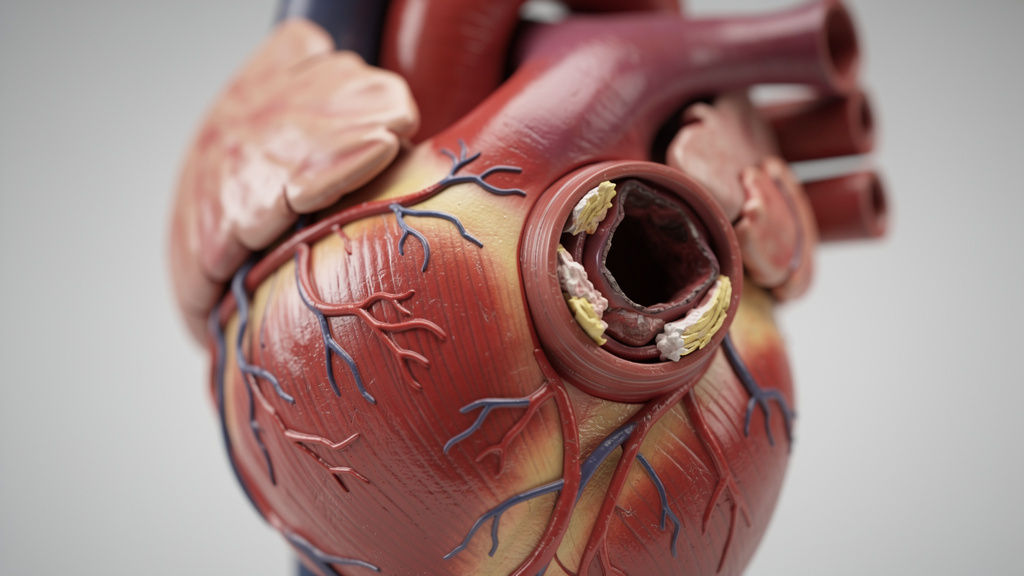
- Atherosclerosis: High sugar levels contribute to the buildup of plaque (fat, cholesterol, and other substances) in the artery walls. This narrows the arteries and restricts blood flow.
- Inflammation: Diabetes causes low-grade, chronic inflammation throughout the body, which destabilizes the plaque in your arteries, making it more likely to rupture and cause a heart attack or stroke.
- High Blood Pressure (Hypertension): Diabetes often causes higher blood pressure, which puts additional strain on the heart muscle.
2. Common Cardiac Complications
A patient with poorly managed diabetes may develop:
- Coronary Artery Disease (CAD): The most common type of heart disease. It results from decreased blood flow to the heart muscle.
- Heart Failure: A condition where the heart can't pump enough blood to meet the body's needs. Diabetes can cause the heart muscle to become stiff and weak (Diabetic Cardiomyopathy).
- Arrhythmia: Irregular heartbeats, which can lead to blood clots and strokes.
- Silent Ischemia: This is particularly dangerous. People with diabetic nerve damage (neuropathy) may not feel the "crushing chest pain" of a heart attack. They might only experience shortness of breath or fatigue, which leads to delays in seeking life-saving care.
3. The Role of High Blood Pressure and Cholesterol
Diabetes rarely acts alone. It often brings along two "silent killers":
- Hypertension: Over 60% of people with diabetes have high blood pressure. Together, they exponentially increase the risk of heart disease.
- Abnormal Cholesterol: Diabetes often lowers "good" (HDL) cholesterol and raises "bad" (LDL) cholesterol and triglycerides. This combination is a perfect storm for artery-clogging plaque.
4. LifeCare’s Integrated Monitoring Protocols
At LifeCare Hospitals Kenya, we don't just check your sugar. Our comprehensive diabetic care includes:
- Electrocardiogram (ECG): To check your heart's electrical activity.
- Echocardiogram: An ultrasound of the heart to check its structure and pumping power.
- Lipid Profile: Frequent monitoring of cholesterol levels.
- HBA1C Testing: To see your average blood sugar levels over the past 3 months.
5. Tips for Protecting Your Heart
The good news is that these complications are not inevitable. You can significantly lower your risk by:
- Controlling Blood Sugar: Keep your A1C levels within the target range set by your doctor.
- Eating Heart-Healthy: Focus on fiber-rich vegetables, whole grains, and lean proteins while avoiding processed sugars and saturated fats.
- Physical Activity: Aim for at least 150 minutes of moderate-intensity exercise per week.
- Not Smoking: Smoking and diabetes are a deadly combination for your arteries.
- Managing Stress: Chronic stress raises blood sugar and blood pressure.
Conclusion: Your Heart, Our Priority
Diabetes is a lifelong journey, but a cardiac complication doesn't have to be part of your story. By understanding the link and being proactive about your screenings at LifeCare Hospitals Kenya, you can live a long, healthy life with a strong heart.
If you or a loved one are living with diabetes, don't wait for symptoms to appear. Schedule a cardiac check-up with our cardiology department today. Let’s work together to manage your diabetes and keep your heart beating strong for many years to come.
Frequently Asked Questions (FAQs)
What is a "Silent Heart Attack"?
A silent heart attack is one where the person feels no chest pain. Because diabetes can damage the nerves that carry pain signals from the heart, the patient may only feel slightly "out of sorts," nauseous, or suddenly exhausted. This makes regular heart screenings vital for diabetics.
Does Type 1 or Type 2 have more heart risk?
Both types significantly increase the risk. However, because Type 2 diabetes is often associated with obesity, high blood pressure, and abnormal lipids (Metabolic Syndrome), Type 2 patients often have a more complex profile of cardiovascular risk factors.
Can a heart healthy diet reverse diabetes?
While Type 1 cannot be "reversed," many patients with Type 2 diabetes can achieve remission through significant weight loss and a strict, high-fiber, low-sugar diet. Even if not reversed, such a diet is the single best way to protect your heart.
What is Diabetic Cardiomyopathy?
This is a structural change where the heart muscle cells are damaged directly by high sugar and insulin resistance, independent of artery disease. The heart becomes thick and loses its ability to relax and fill with blood properly.