
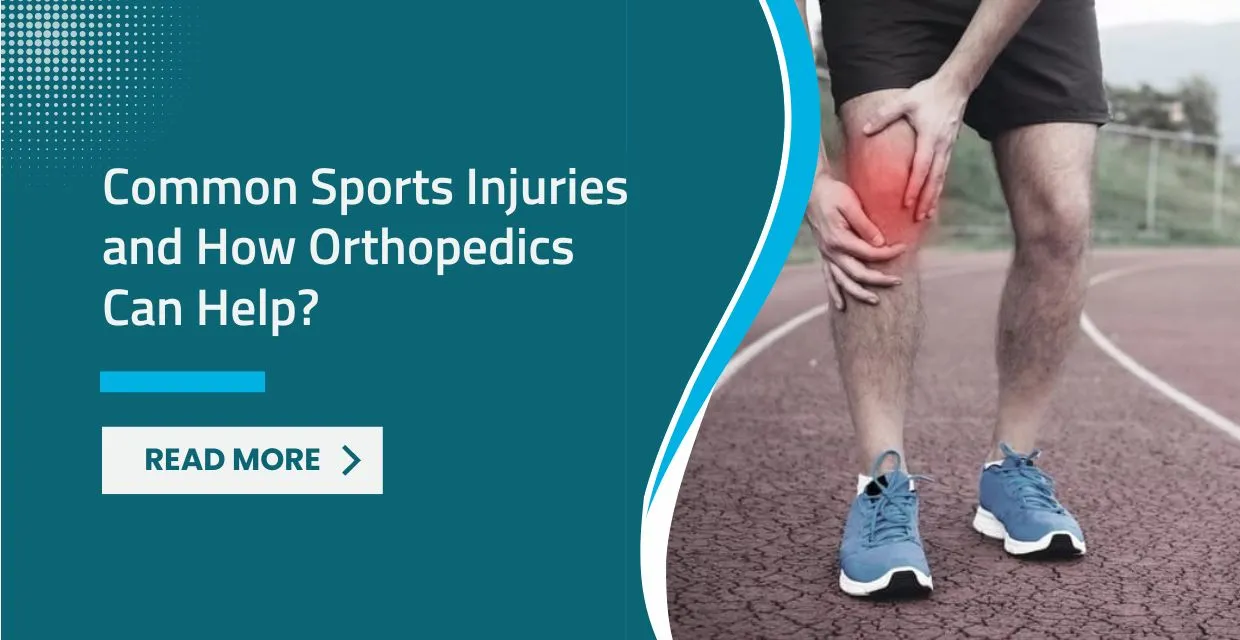
Common Sports Injuries and How Orthopedics Can Help
Sports and physical activity are vital for a healthy lifestyle, but they also come with a risk of injury. Whether you are a professional athlete or a weekend jogger, an injury can disrupt your routine and impact your quality of life. At LifeCare Hospitals, our orthopedic and sports medicine specialists are dedicated to getting you back on your feet quickly and safely.
Sports injuries range from minor sprains to severe ligament tears and fractures. Proper diagnosis and a tailored treatment plan are essential for ensuring a full recovery and preventing long-term joint health issues.
Most Common Sports Injuries Seen in Kenya
1. Sprains and Strains
Sprains are injuries to ligaments (the tissues that connect bones), while strains are injuries to muscles or tendons. Ankle sprains are particularly common in sports that involve jumping and quick changes of direction.
2. Knee Injuries: ACL and Meniscus Tears
The knee is a frequent site of sports injuries. An ACL (Anterior Cruciate Ligament) tear often requires surgical reconstruction and intensive rehabilitation. Meniscus tears can cause pain, swelling, and a feeling of the knee "locking."
3. Fractures and Dislocations
High-impact sports can lead to broken bones or joints being forced out of their natural position. These are serious injuries that require immediate orthopedic attention.
4. Rotator Cuff Injuries
Common in sports like swimming, tennis, and weightlifting, these involve injuries to the tendons and muscles that stabilize the shoulder joint.
5. Stress Fractures
These are tiny cracks in a bone caused by overuse and repetitive stress. They are common in runners and athletes who have a sudden increase in training intensity.
How LifeCare Orthopedics Supports Athletic Recovery
At LifeCare Hospitals Kenya, we combine advanced surgical techniques with comprehensive physiotherapy support.
- Advanced Imaging: We use high-resolution MRI and CT scans to accurately visualize the extent of tissue damage.
- Minimally Invasive Arthroscopy: Many knee, shoulder, and ankle procedures are performed through tiny incisions, leading to less pain and faster recovery times.
- Personalized Physical Therapy: Our therapists design programs to restore strength, flexibility, and sport-specific functions.
- Injury Prevention Education: We help athletes improve their technique and conditioning to avoid future injuries.
The R.I.C.E. Method: First Steps After Injury
Before you see a doctor, the R.I.C.E protocol can help manage swelling and pain:
- Rest: Avoid activity that causes pain.
- Ice: Apply cold packs for 20 minutes several times a day.
- Compression: Use an elastic bandage to reduce swelling.
- Elevation: Keep the injured limb above the level of your heart.
Conclusion: Don't Let an Injury Stop You
Whether you're aiming for a personal best or just enjoying an active lifestyle, LifeCare Hospitals is here to support your athletic journey. With our world-class orthopedic expertise, you can overcome your injury and return to the activities you love.
Frequently Asked Questions (FAQs)
How long does a sports injury take to heal?
It varies wildly. A minor strain might take 2 weeks, while an ACL reconstruction takes 6-9 months of rehabilitation for a full return to sport.
Should I use heat or ice for my injury?
Use ice for acute injuries (first 48-72 hours) to reduce swelling. Heat is better for chronic muscle stiffness and persistent aches after the initial inflammation has subsided.