
Controlling Blood Sugar: Practical Tips for Managing Type 2 Diabetes
A diagnosis of Type 2 Diabetes can feel overwhelming. Suddenly, terms like HBA1C, glycemic index, and insulin resistance become part of your daily vocabulary. But here is the most important thing to know: Type 2 Diabetes is a manageable condition. with the right tools, knowledge, and lifestyle adjustments, you can live a long, healthy, and high-quality life.
Managing diabetes is about more than just "taking your pills." It’s about becoming the CEO of your own body. At LifeCare Hospitals Kenya, our diabetes centers provide comprehensive support—from endocrinologists to nutritionists. in this blog, we share expert, actionable tips to help you take control of your blood sugar today.
1. Master the Art of the "Plate Method"
Nutrition is often the hardest part of diabetes management, especially with delicious Kenyan staples. You don't have to give up your favorite foods, but you do need to manage portions.
- Non-Starchy Veggies (1/2 the plate): Sukuma wiki, spinach, broccoli, or cabbage. These fill you up without raising sugar.
- Proteins (1/4 the plate): Beans, lentils, eggs, lean chicken, or fish.
- Starches (1/4 the plate): Brown rice, sweet potato, or a *small* portion of ugali (preferably whole grain).
2. The Power of "Micro-Workouts"
You don’t need to join a fancy gym to manage blood sugar. Muscle contraction is the body’s natural way of cleaning sugar out of the blood.
- The 10-Minute Rule: Take a 10-minute walk after every meal. This prevents the "post-meal spike" and is more effective than one long workout for many patients.
- Strength Training: Twice a week, do some resistance exercises (like bodyweight squats or lifting small weights). Muscle tissue burns more glucose than fat tissue, even when you are resting.
3. Monitor, Don't Guess
Blood sugar levels fluctuate based on stress, sleep, and food. Without monitoring, you are "flying blind."
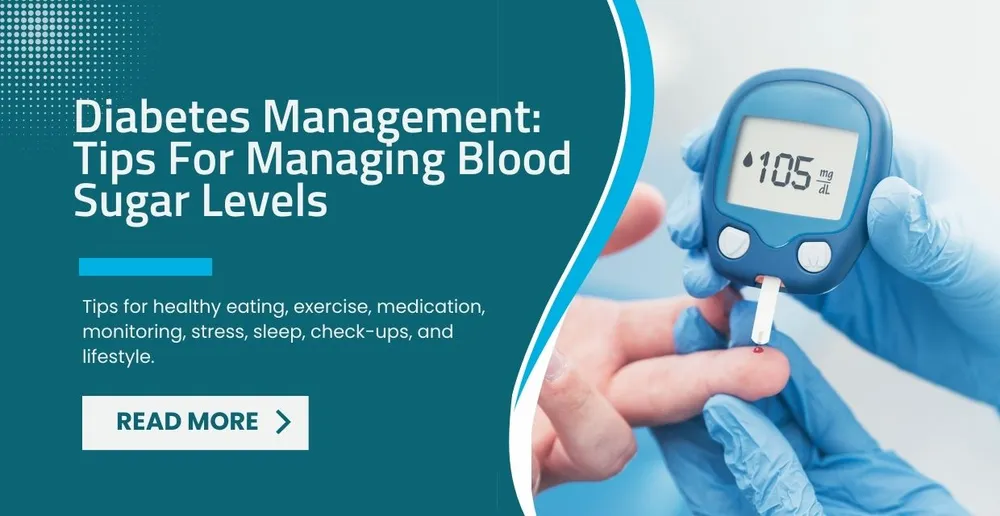
- Home Glucometer: Check your sugar as instructed by your LifeCare doctor—often fasting (morning) and two hours after your largest meal.
- Know Your HBA1C: This lab test, done at LifeCare every 3 to 6 months, gives you a 3-month average. It is the gold standard for knowing if your long-term management is working.
4. Hydration is Key
When blood sugar is high, your kidneys try to flush out the excess through urine. This dehydrates the body.
- Stick to water. Sodas, "fruit juices," and even some energy drinks are packed with sugar.
- If you find water boring, add a slice of lemon, cucumber, or mint.
- *Warning:* Alcohol can cause unpredictable blood sugar drops (hypoglycemia) hours later. If you drink, always do so with a meal.*
5. Prioritize Sleep and Stress Management
When you are stressed or sleep-deprived, your body releases "Cortisol." This hormone tells your liver to dump more sugar into the bloodstream for energy (the "fight or flight" response).
- Aim for 7-8 hours of quality sleep.
- Practice deep breathing or light stretching before bed to lower stress levels.
- High stress often leads to "emotional eating," which is the enemy of blood sugar control.
6. Medication is a Tool, Not a Failure
Many patients feel like they "failed" if they need to start medication or
insulin. This is not true! Type 2 Diabetes is a progressive disease.
Over time, the pancreas simply works less efficiently.
Take your medications at the same time every day. Never stop or "skip"
doses without consulting your endocrinologist at LifeCare. If you
experience side effects, talk to us—we can often adjust the timing or
type of medication to make you more comfortable.
Conclusion: You Are in the Driver's Seat
Living with Type 2 Diabetes is a marathon, not a sprint. Small, consistent changes eventually add up to big results. By following these tips and partnering with the medical team at LifeCare Hospitals Kenya, you can avoid complications like nerve damage, kidney issues, and vision loss.
Visit our diabetes center today for a personalized management plan. We believe that with the right support, every diabetic patient in Kenya can thrive. Don't let diabetes define you—let your resilience and healthy habits define your future.
Frequently Asked Questions (FAQs)
Can Type 2 Diabetes be cured?
**No**, currently there is no permanent "cure." However, it can be put into **Remission**. This means your blood sugar levels are back in the healthy range without the need for medication, usually achieved through significant weight loss and lifestyle changes.
Is local brown ugali better than white?
**Yes.** Brown (whole grain) ugali has more fiber, which slows down digestion and stops your blood sugar from spiking as fast as it does with highly refined white ugali. However, portion control is still important!
What are the signs of low blood sugar (Hypo)?
Hypoglycemia can make you feel shaky, sweaty, confused, or extremely hungry. If this happens, follow the **15-15 Rule**: eat 15 grams of fast-acting sugar (like 3 glucose tablets or half a cup of juice), wait 15 minutes, and re-check your sugar.
How often should I check my feet?
**Every single day.** Diabetes can cause numbness (neuropathy), so you might not feel a cut or a blister. Inspect your feet for redness, swelling, or sores that aren't healing. Early detection prevents serious infections and amputations.