
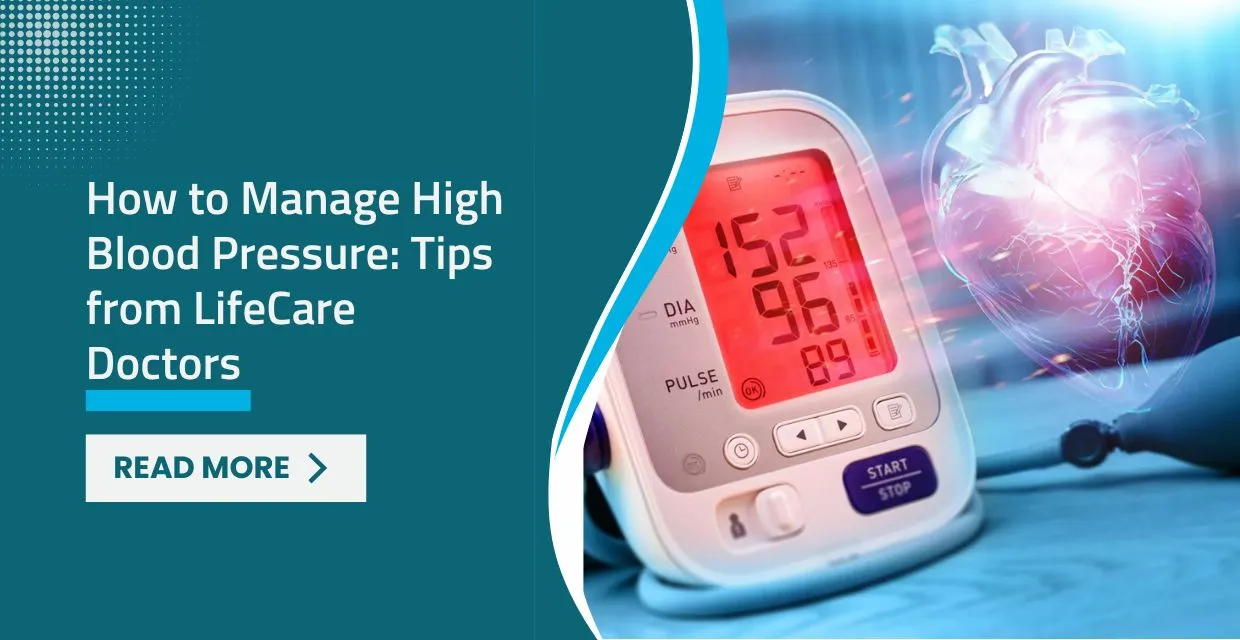
Controlling Hypertension: Natural Ways to Lower Your Blood Pressure
Hypertension, commonly known as high blood pressure, is often called the "Silent Killer." Why? Because it rarely shows symptoms until it has already caused significant damage to your heart, brain, or kidneys. In Kenya, the prevalence of hypertension is rising rapidly, fueled by changing diets and increasingly sedentary lifestyles.
While medication is a vital tool for many, it is not the only way to manage blood pressure. In fact, for those with "pre-hypertension," lifestyle changes can often prevent the need for drugs entirely. At LifeCare Hospitals Kenya, we believe in empowering our patients to be proactive about their cardiac health. in this guide, we explore the most effective natural strategies for lowering your blood pressure and keeping it there.
1. The Salt Struggle: Small Changes, Big Impact
Our bodies need a tiny amount of sodium to function, but most people consume 2-3 times more than necessary. Sodium causes the body to retain water, which increases the volume of blood in your arteries, raising the pressure.
- Cook at Home: Most salt comes from processed foods and restaurant meals, not the salt shaker on your table.
- Use Herbs and Spices: Flavor your food with garlic, ginger, lemon, or chili instead of salt.
- Read Labels: In the supermarket, look for "low sodium" or "no added salt" options.
2. The DASH Diet: Eating for Your Heart
The **DASH (Dietary Approaches to Stop Hypertension)** diet is scientifically proven to lower blood pressure. It’s not about restriction; it’s about addition:
- Potassium-Rich Foods: Potassium helps your body get rid of sodium and eases tension in your blood vessel walls. Eat more bananas, avocados, spinach, and sweet potatoes.
- Whole Grains: Switch from white bread and white rice to whole grain options like brown rice, oats, and whole-wheat ugali.
- Fiber: Beans, lentils, and peas are excellent for heart health.
3. Movement as Medicine
Regular physical activity makes your heart stronger. A stronger heart can pump more blood with less effort, which decreases the force on your arteries.
- Consistency Over Intensity: Aim for 30 minutes of moderate activity (like brisk walking) most days of the week.
- The Stair Challenge: In Nairobi’s office buildings, choose the stairs over the lift whenever possible.
- Stand More: If you have a desk job, stand up and move every hour to keep your circulation active.
4. Stress Reduction: Calming the Arteries
When you are chronically stressed, your body is in a constant state of "fight or flight," which keeps your heart rate and blood pressure elevated.
- Deep Breathing: Taking 5 minutes twice a day to focus on slow, deep breaths can have an immediate lowering effect on blood pressure.
- Sleep Well: People who sleep less than 6 hours a night are significantly more likely to develop hypertension.
- Find a Hobby: Whether it’s gardening, reading, or listening to music, find something that truly relaxes your mind.
5. Weight Management
Blood pressure often increases as weight increases. Being overweight also
causes disrupted breathing while you sleep (sleep apnea), which further
raises blood pressure.
Losing even a small amount of weight—just 3 to 5 kilograms—can
significantly lower your blood pressure readings. At LifeCare, our
nutritionists can help you design a sustainable weight-loss plan that
doesn't feel like a "crash diet."
6. Limit Alcohol and Avoid Tobacco
Alcohol can be both a cause and a trigger for high blood pressure. While
"one drink" might be okay for some, excessive drinking definitely raises
pressure and reduces the effectiveness of blood pressure medications.
Tobacco, on the other hand, is a direct assault on your arteries. Every
cigarette you smoke cause a temporary spike in blood pressure and
long-term damage to the artery walls. Quitting is the single best thing
you can do for your heart.
Conclusion: Consistency is Your Superpower
Natural methods work, but they require consistency. You cannot "eat well for one day" and expect a result. Most people see a significant drop in their blood pressure after 2 to 4 weeks of consistent lifestyle changes.
At LifeCare Hospitals Kenya, we are here to support your journey. From cardiac screenings to nutritional counseling, we provide the expertise you need to succeed. Don't let hypertension be your silent killer. Take control of your habits, and you take control of your future. Visit us today for a comprehensive heart check-up.
Frequently Asked Questions (FAQs)
What is a "normal" blood pressure reading?
A "normal" reading is generally considered to be below **120/80 mmHg**. Readings between 120-129 systolic are "elevated," and anything above 130/80 is considered hypertension.
Can caffeine raise blood pressure?
Yes, caffeine can cause a temporary, sharp spike in your blood pressure, even if you don't have high blood pressure. If you have hypertension, it’s best to limit your coffee and tea intake, especially before activities or medical check-ups.
Is pink Himalayan salt better than table salt?
**No.** Chemically, they are both almost entirely sodium chloride. While pink salt has trace minerals, it still raises blood pressure exactly the same way as white table salt. The key is to reduce **all** salt intake.
Can I stop my meds if my BP is now normal?
**Never** stop blood pressure medication without your doctor's approval. Often, your blood pressure is normal *because* the medication is working. We may choose to taper your dose as your lifestyle improves, but this must be done under strict medical supervision at LifeCare.