
Demystifying the Dentist's Chair: What to Expect During Common Procedures
For many, the dental clinic is a place of mystery and, occasionally, anxiety. The sounds of the equipment and the unfamiliar terminology can make even a simple check-up feel overwhelming. In Kenya, "Dental Anxiety" is a major reason why many people wait until they are in severe pain before seeking care.
The truth is that modern dentistry is remarkably comfortable. With advanced numbing techniques and precision instruments, most procedures are completely painless. At LifeCare Hospitals, our dental departments are committed to "Transparant Dentistry"—explaining exactly what we are doing and why. in this guide, we demystify the most common dental treatments so you can walk in with confidence.
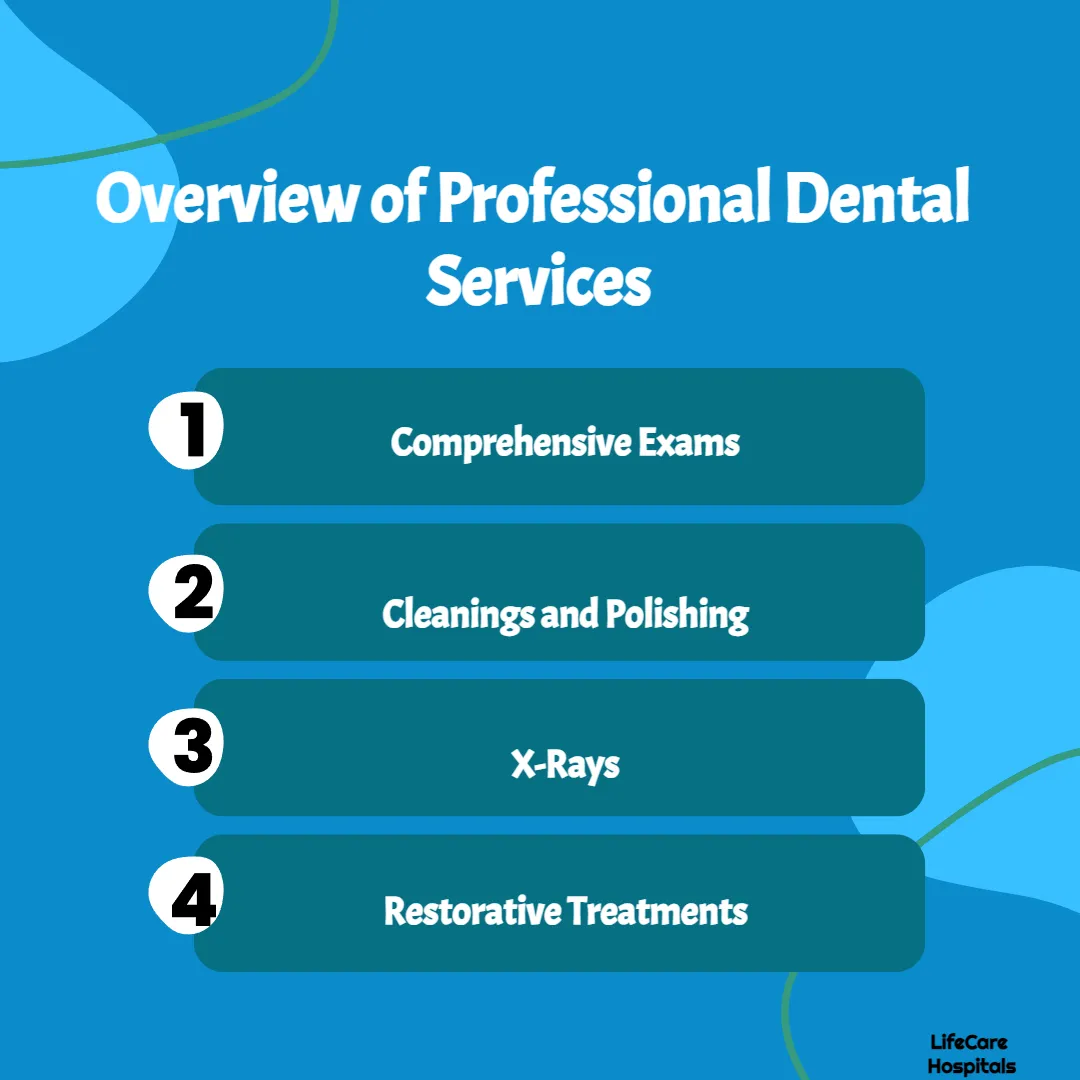
1. Scaling & Polishing: The "Deep Clean"
This is the most common preventative procedure.
- What Happens: The dentist uses an ultrasonic scaler to vibrate away "calculus" (tarter)—hardened plaque that you cannot brush away at home. They then polish your teeth with a specialized paste to remove surface stains.
- What it Feels Like: You'll feel some vibrations and hear a high-pitched sound. It's not painful, but your gums might feel slightly "tingly" afterward. It's the best way to prevent gum disease.
2. Composite Fillings: Repairing the Wall
Used to fix cavities or small chips.
- What Happens: The dentist removes the decayed portion of the tooth and "fills" the hole with a tooth-colored resin (composite). This resin is hardened with a special blue light.
- What it Feels Like: You will be given a local anesthetic, so you won't feel anything except some pressure. Once the numbness wears off, you can eat and drink normally almost immediately.
3. Root Canal Treatment: Saving the Tooth
This procedure has a "scary" reputation, but it's actually the procedure that *stops* the pain of an infected tooth.
- What Happens: The dentist removes the infected "pulp" (nerves and blood vessels) from inside the tooth's roots, cleans the space, and seals it.
- What it Feels Like: With modern numbing, it feels exactly like getting a deep filling. You might have some soreness for 24-48 hours after, but the intense "toothache" will be gone.
4. Tooth Extraction: The Last Resort
Sometimes a tooth is too damaged to save.
- What Happens: The dentist gently loosens the tooth and removes it.
- What to Expect Afterward: You'll bite on a gauze pad for about 30 minutes to stop bleeding. For the first 24 hours, you should avoid "sucking" (no straws!) and only eat soft, cool foods like yogurt or soup.
5. Crowns & Bridges: The Armor
Used for heavily damaged or missing teeth.
- Crowns: A "cap" that fits over your entire tooth to protect it.
- Bridges: A series of crowns used to "bridge" the gap where a tooth is missing.
- The Process: This usually takes two visits. The first to "shape" the tooth and take an impression, and the second to permanently glue the crown in place.
6. Precision Dentistry at LifeCare Hospitals
Why choose our dental clinics?
- Digital X-Rays: We use sensors that require 80% less radiation than traditional film, providing instant, high-resolution images of what's happening under your gums.
- Patient Comfort: Our chairs are ergonomically designed, and our staff is trained in techniques to manage dental anxiety, particularly in children.
- Full Spectrum Care: From routine cleanings to complex orthodontics (braces) and dental implants, we provide every dental service under one roof.
Conclusion: Your Smile is Worth It
Your oral health is a gateway to your overall health. Many systemic issues, like heart disease and diabetes, show their first signs in the mouth. By demystifying these procedures, we hope you feel empowered to make your dental health a priority.
LifeCare Hospitals Kenya is your dedicated partner in **Dental Excellence**. We are committed to providing world-class, affordable dental care to every family in East Africa. Whether you need a simple cleaning or a complex restoration, our team of experienced dentists is ready to help you smile with confidence. Your brilliance is matched by your smile; let's work together to keep it bright. Visit our dental department today. We are here to help you shine.
Frequently Asked Questions (FAQs)
How often should I really see a dentist?
For most adults, every **6 months** is the ideal. This allows us to catch tiny cavities before they become painful (and expensive) root canals. If you have gum disease, we may suggest every 3-4 months.
My gums bleed when I brush. Is this normal?
**No.** Bleeding gums are a clear sign of gingivitis (early gum disease). It means plaque is irritating your gums. A professional scaling and better flossing habits can usually reverse this completely.
Is teeth whitening safe for enamel?
When performed by a professional at LifeCare, **yes.** We use balanced gels that brighten your teeth without damaging the structure. You might have some temporary sensitivity to cold for 24 hours, but your enamel remains safe.
When should my child first visit a dentist?
As soon as their first tooth appears, or by their **first birthday.** These early visits are about making the child "comfortable" with the dentist and checking for any developmental issues early on.