
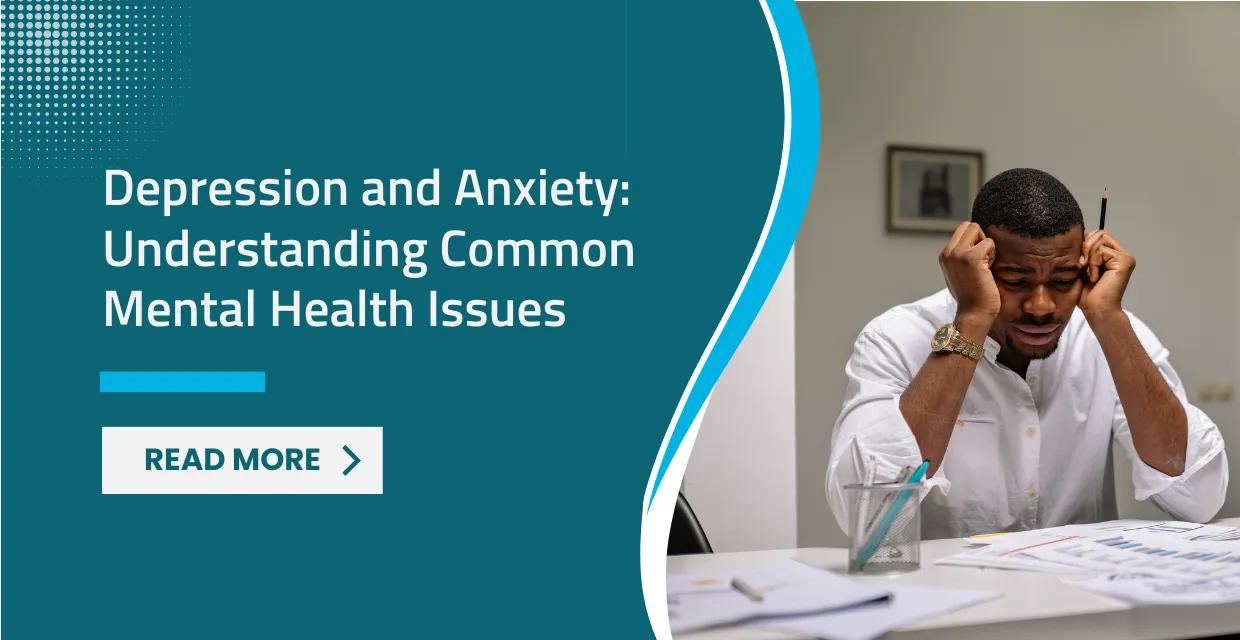
Understanding Depression and Anxiety: The Two Most Common Mental Health Challenges in Kenya
In Kenya, as in much of the world, "Depression" and "Anxiety" are words we hear often. Yet, they are frequently misunderstood. Depression is often dismissed as just "being sad," and anxiety is seen as simply "being a worrier." But for millions of people, these are not just personality traits—they are medical conditions that significantly impact their ability to work, love, and live.
At LifeCare Hospitals, our mental health department treats these conditions with the same clinical rigor and compassion as we treat diabetes or heart disease. We believe that understanding the biology and psychology of these disorders is the first step toward reclaiming your life. in this guide, we break down what depression and anxiety really are, how they are different, and how they can be treated.
1. What is Clinical Depression?
Depression (Major Depressive Disorder) is more than just a bad day. It is a persistent state of low mood that lasts for at least two weeks and interferes with daily life.
- The Symptoms: Loss of interest in activities you once loved, changes in appetite (weight loss or gain), sleeping too much or too little, and feelings of worthlessness or guilt.
- The Biology: In a depressed brain, the neural pathways that communicate "reward" and "joy" are underactive. This is often linked to an imbalance in neurotransmitters like Serotonin and Norepinephrine.
- It's Not a Choice: You cannot "snap out" of depression any more than you can "snap out" of a broken bone.
2. What is an Anxiety Disorder?
Anxiety is the body's natural response to stress, but an *Anxiety Disorder* is when this response becomes chronic, excessive, and irrational.
- Generalized Anxiety Disorder (GAD): Excessive worry about daily things (money, work, health) that is hard to control.
- Panic Disorder: Sudden, intense episodes of fear (panic attacks) that can feel like a heart attack.
- Social Anxiety: Intense fear of being judged by others in social situations.
- Physical Symptoms: Muscle tension, racing heart, trembling, and a constant feeling of being "on edge."
3. Why Me? The Causes of Mental Health Issues
It is rarely just one thing. Mental health issues are usually the result of a combination of factors:
- Genetics: If your parents or siblings struggled with depression or anxiety, you might be more vulnerable.
- Brain Chemistry: Imbalances in how the brain processes chemicals.
- Life Events: Trauma, loss of a loved one, job loss, or chronic illness can trigger an episode.
- Environmental Stressors: The high cost of living, political instability, or workplace pressure in Kenya are major contributors.
4. The Impact on Physical Health
The mind and body are a loop. Chronic anxiety keeps the body in a state
of "High Alert," which raises blood pressure and damages the heart.
Depression is linked to a weakened immune system and chronic
inflammation.
This is why at LifeCare, we offer **Integrative Care**. If you come in
with chronic stomach pain, we also check your stress levels, because the
two are often connected.
5. Seeking Support: The LifeCare Pathway to Healing
Healing is possible. Most people with depression and anxiety see a significant improvement with the right care.
- Psychological Therapy: Cognitive Behavioral Therapy (CBT) is the "Gold Standard." It helps you identify the negative thought patterns that fuel your anxiety or depression and gives you tools to change them.
- Medication: Antidepressants (SSRIs/SNRIs) or anti-anxiety medications can help "level the playing field," giving your brain the chemical stability it needs to work through the psychological work of therapy.
- Lifestyle Adjustment: Nutrition, sleep hygiene, and physical activity are vital "secondary treatments" that support the primary clinical work.
6. How to Help a Loved One
If you suspect someone in your family is struggling:
- Listen without judgment: Don't try to "fix" it immediately; just let them know they are heard.
- Avoid clichés: "Count your blessings" or "Be grateful" can actually make a depressed person feel more guilty.
- Encourage professional help: Offer to book the appointment at LifeCare or drive them to their session.
Conclusion: You Don't Have to Fight Alone
Depression and anxiety are heavy burdens to carry, but you were never meant to carry them alone. Reaching out for support is not a sign that you are "failing" at life; it is a sign that you are choosing life.
At LifeCare Hospitals Kenya, we have a world-class team of psychiatrists, psychologists, and counselors ready to walk with you. We provide a safe, confidential, and modern environment where mental health is treated with the dignity it deserves. Start your journey toward healing today. Your brilliance is matched by your resilience. We are here to help you rediscover both. Contact us today to book a consultation and take back your peace of mind. Your future is waiting.
Frequently Asked Questions (FAQs)
How is a panic attack different from a heart attack?
They can feel terrifyingly similar. Both involve chest pain, shortness of breath, and a racing heart. If you are experiencing these symptoms for the first time, **treat it as an emergency and visit our A&E.** Once we have ruled out heart issues, we can help you manage the panic disorder.
Are antidepressants addictive?
**No.** Antidepressants are not addictive like painkillers or drugs of abuse. They do not give you a "high." However, they must be stopped slowly under a doctor's supervision to avoid "discontinuation syndrome" (temporary withdrawal-like symptoms).
How long do I need to stay on medication?
It depends on the individual. For a first episode of depression, a doctor may recommend 6 to 12 months. For someone with chronic, recurring issues, longer-term maintenance may be best. The decision is always made collaboratively between you and your psychiatrist.
Will therapy make me change my personality?
**No.** Therapy is about helping you become the best version of *yourself*. It doesn't change who you are; it changes how you *react* to the world and how you process your emotions.