
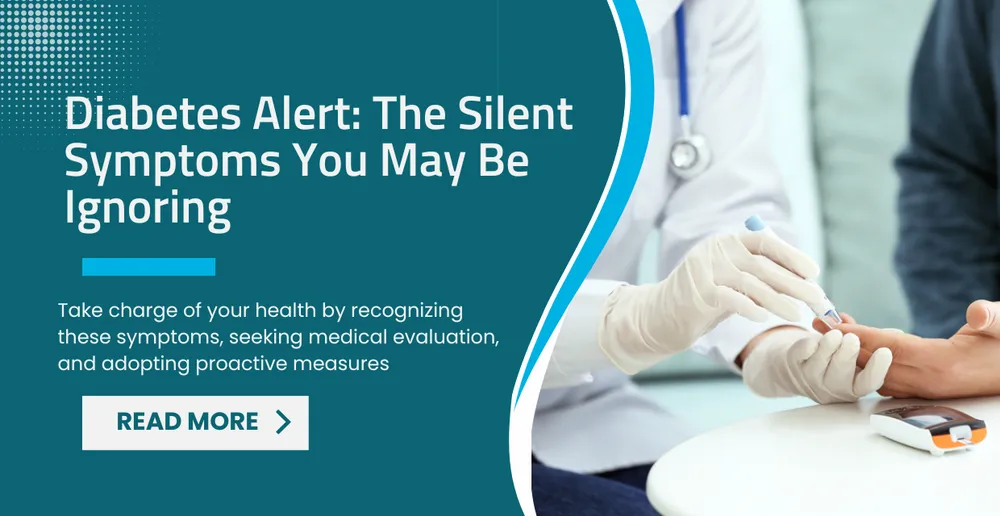
Diabetes Alert: Silent Symptoms You May Be Ignoring
Diabetes is often called a "silent killer" because many people live with the condition for years without knowing it. The symptoms can be so subtle that they are often dismissed as signs of aging, overwork, or stress. However, early detection is vital for preventing serious complications like heart disease, kidney failure, and vision loss. At LifeCare Hospitals, we're dedicated to helping you recognize these hidden warning signs before they lead to long-term health issues.
In this post, we'll explore some of the lesser-known early indicators of diabetes and explain why a simple blood sugar test at LifeCare Hospitals Kenya could be the most important check-up of your life.
Subtle Signs of High Blood Sugar
- Increased Thirst and Frequent Urination: When your blood sugar is high, your kidneys work overtime to filter and absorb the excess glucose. This can lead to dehydration and more frequent trips to the bathroom.
- Unexplained Fatigue: If your cells aren't getting the glucose they need for energy, you'll feel persistently tired or "run down," even after a full night's sleep.
- Slow-Healing Sores or Frequent Infections: High blood sugar can affect blood flow and interfere with the body's natural healing process. Pay attention to cuts or bruises that take longer than usual to heal.
- Blurred Vision: Excess sugar in the blood can pull fluid from the lenses of your eyes, impacting your ability to focus.
- Tingling or Numbness in Hands or Feet: Known as neuropathy, this is caused by high sugar levels damaging the nerves.
Why Many People Miss the Warning Signs
The "silent" nature of Type 2 diabetes means that it develops slowly. Your body often adapts to gradually increasing sugar levels, making the symptoms feel like your "new normal." This is especially dangerous because organ damage can begin even during the prediabetic phase.
The Importance of Screening at LifeCare Hospitals
Our comprehensive Diabetes Care Programs focus on proactive health management. We recommend regular screenings if you have risk factors such as:
- Being overweight or having a high BMI.
- A family history of diabetes.
- Being over the age of 45.
- A history of gestational diabetes during pregnancy. (Read our guide on Womens Health).
Taking Control of Your Metabolic Health
If you're experiencing any of these symptoms, don't wait. A simple HbA1c test can provide a clear picture of your blood sugar levels over the past few months. If diagnosed early, diabetes can often be managed through diet, exercise, and lifestyle changes—sometimes even without the need for lifelong medication.
Conclusion: Listen to Your Body
Your body has subtle ways of telling you when something is wrong. By paying attention to these "silent" symptoms and seeking professional guidance from the team at LifeCare Hospitals, you can take a vital step toward protecting your long-term health and vitality.
Frequently Asked Questions (FAQs)
Are these symptoms the same for Type 1 and Type 2 diabetes?
While the symptoms are similar, Type 1 symptoms often appear much more quickly and severely, whereas Type 2 develops gradually over years.
Can I have diabetes even if I feel perfectly fine?
Absolutely. Many people with Type 2 diabetes have no noticeable symptoms in the early stages, which is why regular screening is so critical, especially if you have risk factors.