
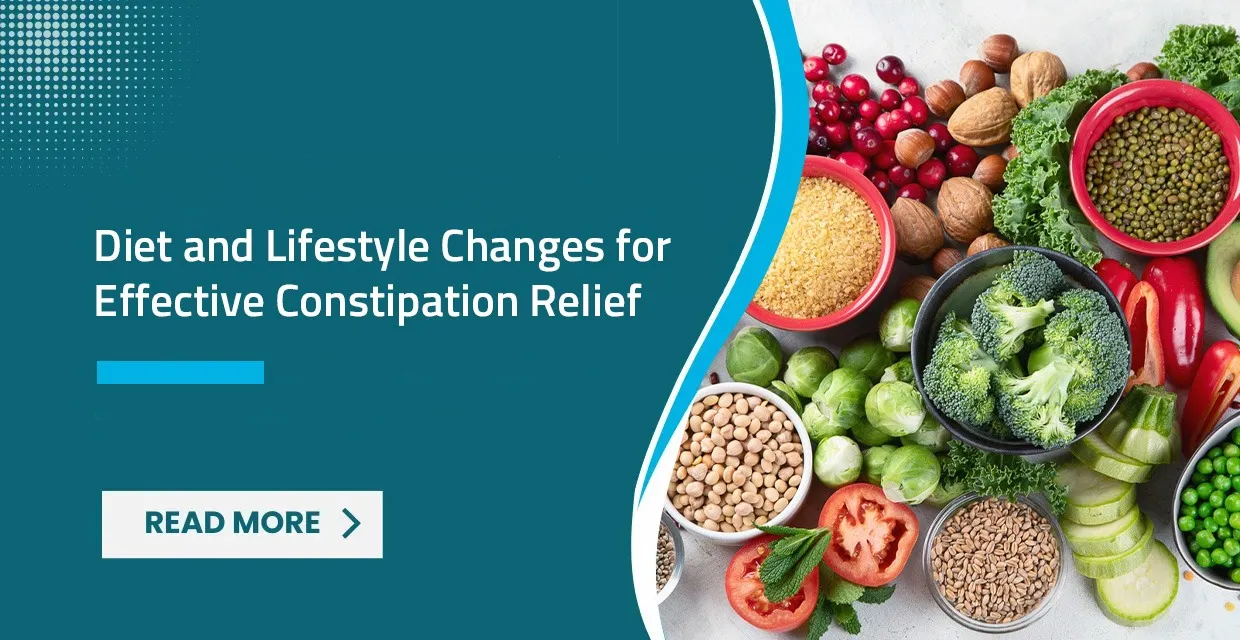
Diet and Lifestyle Changes for Effective Constipation Relief
Constipation is a common digestive issue that affects people of all ages. It can lead to discomfort, bloating, and a significant impact on your daily quality of life. While many people turn to over-the-counter laxatives for quick relief, these often address only the symptoms, not the cause. At LifeCare Hospitals, our gastroenterology specialists focus on long-term gut health through sustainable diet and lifestyle modifications.
In most cases, constipation is a result of lifestyle factors that can be easily addressed. By making informed choices about what you eat and how you move, you can achieve natural and lasting regularity.
The Pillar of Relief: Dietary Fiber
Fiber adds bulk to your stool and helps it move through your digestive tract more efficiently. Most Kenyan adults don't consume enough fiber in their daily diets.
- High-Fiber Foods: Incorporate more whole grains (like brown rice and whole-wheat bread), legumes (beans and lentils), and a variety of fruits and vegetables into your meals.
- The Importance of Variety: Both soluble and insoluble fiber are important for Digestive System Health.
- Increase Slowly: If you're not used to high-fiber foods, increase your intake gradually over several weeks to avoid gas and bloating.
Hydration: Fiber's Best Friend
Fiber needs water to work. Without adequate hydration, a high-fiber diet can actually make constipation worse. Aim for at least 8 to 10 glasses of water a day. Staying hydrated is also essential for Kidney Health.
Lifestyle Habits for a Healthy Gut
What you do outside the kitchen is just as important as what you eat:
- Regular Physical Activity: Exercise helps stimulate the natural contractions of your intestinal muscles, helping waste move through your system faster.
- Establish a Routine: Try to set a regular time for bowel movements, such as after breakfast or another meal.
- Listen to Your Body: Never ignore the urge to go. Delaying a bowel movement can lead to the stool becoming harder and more difficult to pass.
- Monitor Your Stress: The gut and brain are closely linked. Stress can significantly impact digestive regularity. (Read our guide on Mental Wellness).
When to See a Specialist at LifeCare Hospitals Kenya
While lifestyle changes work for many, you should consult a gastroenterologist if you experience:
- Sudden or severe changes in bowel habits.
- Blood in your stool.
- Severe abdominal pain or cramping.
- Constipation that persists despite significant diet and lifestyle changes.
Conclusion: Reclaim Your Digestive Comfort
Digestive health is a cornerstone of overall well-being. By prioritizing fiber, hydration, and activity, you can overcome constipation and enjoy a more comfortable, active lifestyle. The gastroenterology team at LifeCare Hospitals is here to provide the expertise and support you need for long-term digestive success.
Frequently Asked Questions (FAQs)
Can certain medications cause constipation?
Yes, many common medications, including certain pain relievers, antidepressants, and iron supplements, can lead to constipation. Always discuss your medications with your doctor at LifeCare.
How much fiber do I really need?
A general guideline for adults is 25 to 35 grams of fiber per day. Our dieticians can help you calculate a specific target based on your needs.