
Early Signs of Hypertension: Why It is Known as the "Silent Killer"
Hypertension, or high blood pressure, affects nearly 1 in 4 adults in Kenya. Yet, a large percentage of those people have no idea they even have the condition. Unlike a flu that gives you a fever or a broken bone that causes sharp pain, hypertension can thrive in your body for years—quietly damaging your arteries and organs—without making you feel "sick."
This is why doctors call it the **Silent Killer**. By the time most people experience obvious symptoms, the damage is often irreversible, leading to heart attacks, strokes, or kidney failure. At LifeCare Hospitals Kenya, we believe that education and early monitoring are the only ways to beat the "silence" of hypertension. in this post, we explain the subtle signs you should never ignore.
1. Why the "Silence" Exists
Your blood vessels are designed to be flexible and strong. When your
blood pressure is high, the force of the blood against the artery walls
is too great.
In the early stages, your body compensates for this pressure. Your heart
might work a little harder, and your arteries might thicken slightly to
handle the force. Because these changes happen internally and gradually,
the brain doesn't register a "pain" signal. However, over time, this
constant pressure creates microscopic scars in the arteries where plaque
(fat) can easily build up, leading to blockages.
2. Subtle Signs You Might Overlook
While many have NO symptoms, some people experience "vague" signs that they often attribute to stress, tiredness, or the weather. These can include:
- Dull Headaches: Often occurring in the morning or localized at the back of the head.
- Dizziness or Lightheadedness: Especially when standing up quickly.
- Nosebleeds: While nosebleeds are common, frequent unexplained ones can be a sign of high pressure.
- Fatigue or "Brain Fog": Feeling unusually tired or having trouble concentrating.
- Blurred Vision: Hypertension can damage the tiny blood vessels in your eyes (retinopathy).
3. Warning Signs of a "Hypertensive Crisis"
If your blood pressure spikes to extremely dangerous levels (usually above 180/120 mmHg), the silence finally breaks. This is a medical emergency. Signs include:
- Severe chest pain.
- Severe headache accompanied by confusion.
- Shortness of breath.
- Nausea and vomiting.
- Severe anxiety.
- Seizures or unresponsiveness.
4. Risk Factors: Who is Most at Risk?
Since you can't feel the symptoms, you should be especially vigilant if you Fall into these categories:
- Age: The risk increases as you get older.
- Family History: If your parents have hypertension, you are statistically more likely to develop it.
- Weight: Being overweight puts extra strain on your heart and vessels.
- Diet: High salt (sodium) intake and low potassium intake are major triggers.
- Stress: Chronic high stress keeps your blood vessels in a "tightened" state.
5. How to Break the Silence
The only way to know your numbers is to have them measured. At LifeCare Hospitals, we recommend:
- Regular Screenings: Even if you feel perfectly healthy, have your blood pressure checked at least once a year.
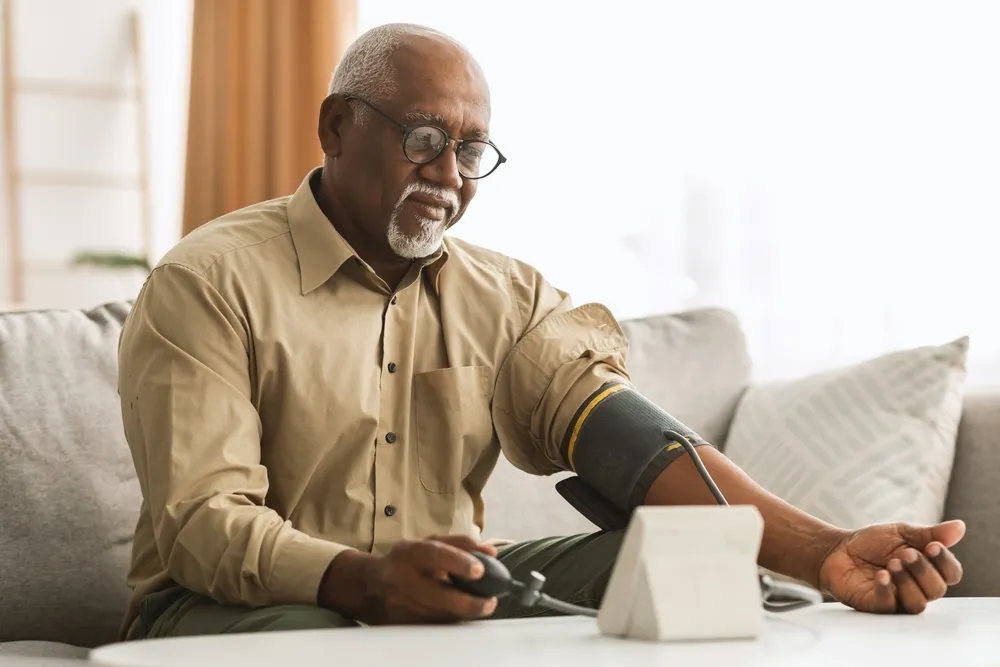
- Home Monitoring: Modern digital BP monitors are affordable and easy to use. Keep a log of your readings to show your LifeCare doctor.
- Comprehensive Cardiac Checkup: If you are over 35, a full screening (ECG, blood work) can detect early signs of arterial damage before a crisis occurs.
6. The Good News: Hypertension is Treatable
Once diagnosed, hypertension can be managed very effectively. Through a combination of medication, dietary shifts (low salt), and regular exercise, most patients can return their blood pressure to healthy levels and live a long, complication-free life.
Conclusion: Your Numbers are Your Shield
Don't be a victim of the "Silent Killer." Knowledge is your best defense. A 30-second blood pressure check could save you from 30 years of chronic illness or a sudden medical catastrophe.
Visit any LifeCare Hospital in Kenya today for a quick and easy blood pressure check. Our cardiology specialists are here to help you understand your results and design a plan to keep your heart beating strong and healthy. Silence is only dangerous when it's ignored. Let’s speak up for your heart health today.
Frequently Asked Questions (FAQs)
Can stress cause temporary hypertension?
**Yes.** Stress triggers a surge of hormones that temporarily increases your heart rate and cause your blood vessels to narrow. However, once the stressor is gone, your BP should return to normal. If it stays high, you may have chronic hypertension.
What is "White Coat Hypertension"?
This is a condition where a patient's blood pressure is high in a hospital or clinic setting because they are anxious about seeing a doctor (the "White Coat"), but normal when they are at home. We often use 24-hour monitoring to confirm this.
Is there a cure for hypertension?
**No.** Once you are diagnosed with chronic hypertension, it is generally a lifelong condition that must be **managed**. Many people can lower their BP to normal levels through lifestyle changes, but if they return to old habits, the pressure will rise again.
Can salt really affect me if I don't feel sick?
**Absolutely.** Salt (sodium) causes your body to hold onto water. The extra water in your blood increases the volume and pressure against your vessel walls. Even if you don't "feel" it, the damage is happening silently every day.