
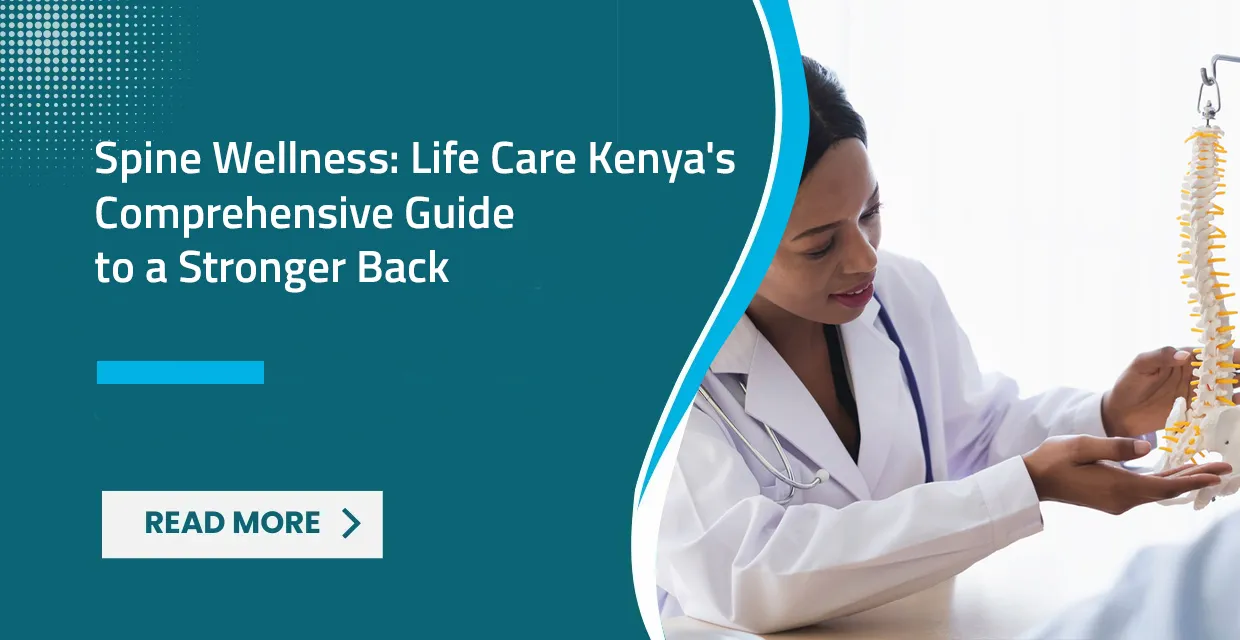
Endoscopic Spinal Surgery: A Modern, Minimally Invasive Breakthrough for Back Pain
Back pain is one of the most common reasons people visit the doctor in Kenya. Whether it is a dull ache from sitting at a desk or the sharp, radiating pain of sciatica caused by a slipped disc, spinal issues can drastically decrease your quality of life. For decades, spinal surgery was feared because it meant long incisions, significant muscle damage, and months of painful recovery.
But those days are over. The future of spine care has arrived at LifeCare Hospitals Kenya in the form of **Endoscopic Spinal Surgery**. It is a major shift from "open" surgery to a "minimally invasive" approach. in this blog, we explore how this advanced technology is helping our patients get back on their feet faster than ever before.
1. What Exactly is Endoscopic Spinal Surgery?
During this procedure, a surgeon uses an "endoscope"—a thin, flexible
tube with a high-definition camera and light at the end—to view the
spinal area. This endoscope is inserted through a tiny incision.
The high-definition camera provides the surgeon with a magnified,
crystal-clear view of the nerves and discs on a monitor in the operating
room. Using specialized miniature tools, the surgeon can then remove a
herniated (slipped) disc or bone spurs with extreme precision, without
disturbing the surrounding healthy muscle and tissue.
2. The Major Benefits for the Patient
Because the procedure is so precise and minimally invasive, the benefits are numerous:
- Minimal Pain: Since no major muscles are cut or pulled away from the bone, post-operative pain is significantly reduced.
- Faster Recovery: Many patients are able to walk just hours after the procedure and can return to work within a week.
- Reduced Risk of Infection: Smaller incisions mean less exposure to the environment and a much lower chance of surgical site infection.
- No Scarring: The "keyhole" incision leaves a tiny scar that is barely visible after a few months.
- Local Anesthesia: Some endoscopic procedures can even be performed while the patient is awake under local anesthesia, reducing the risks associated with general anesthesia.
3. What Conditions Can It Treat?
While not every spinal condition requires surgery, endoscopic techniques are highly effective for:
- Herniated (Slipped) Discs: Removing the portion of the disc that is pressing on a nerve.
- Sciatica: Relieving the pressure that cause radiating leg pain.
- Spinal Stenosis: Clearing out bone spurs that are narrowing the spinal canal.
- Foraminal Narrowing: Opening up the spaces where nerves exit the spine.
4. The LifeCare Technology Difference
At LifeCare Hospitals Kenya, we invest in the latest spinal workstations. Our operating theaters are equipped with advanced fluoroscopy (real-time X-ray) and high-definition endoscopic towers. But the technology is only as good as the hands that use it. Our orthopedic surgeons have undergone specialized training in minimally invasive spine techniques to ensure the highest safety standards for our patients.
5. What to Expect on Surgery Day
The beauty of this procedure is its simplicity:
- You arrive at the hospital and are prepared for surgery.
- The procedure typically takes between 45 to 90 minutes.
- After a brief period in the recovery room, you are encouraged to stand and walk.
- Most patients go home the **same day** or after one night of observation.
6. Is It Right for You?
We always believe in "Conservative Care First." Most back pain improves
with physiotherapy, injections, and lifestyle changes. Surgery is only
considered when these methods have failed to provide relief or if there
is a risk of permanent nerve damage (like leg weakness or bladder
issues).
If you have been told you need spine surgery, it is vital to get a
second opinion on whether an endoscopic approach is possible for you.
Conclusion: Reclaiming Your Life, Minimally
Don't let the fear of a "big surgery" keep you in constant pain. Technology has transformed spine care, and LifeCare Hospitals Kenya is proud to bring these advancements to our local communities. Endoscopic spinal surgery isn't just about fixing a disc; it's about giving you your freedom back.
Join the hundreds of Kenyans who have successfully resolved their chronic back pain through minimally invasive care. Schedule a consultation with our spine specialists today. Let’s look at your MRI together and see if the "keyhole" solution is the path to your recovery. Your future without back pain is closer than you think.
Frequently Asked Questions (FAQs)
How long is the recovery?
Most patients return to sedentary (desk) work within 7 to 10 days. For more physically demanding jobs or sports, we usually recommend 4 to 6 weeks of physiotherapy before a full return to activity.
Is this the same as "Laser Spine Surgery"?
While some surgeons use lasers through the endoscope to shrink tissue, "Endoscopic Surgery" is a broader and often more effective term. It refers to the use of a camera to see and tools to physically remove the obstruction, which is generally more reliable than laser alone.
Will I need physiotherapy after?
**Yes.** While the surgery fixes the structural problem (like a herniated disc), physiotherapy at LifeCare helps strengthen the supporting muscles and ensures your spine remains stable and flexible to prevent future issues.
Does NHIF cover this procedure?
LifeCare Hospitals work with NHIF and most private insurance providers in Kenya. We recommend visiting our billing desk with your insurance details for a pre-authorization check before the procedure.