
Everything You Need to Know About MRI Scans
Magnetic Resonance Imaging, or MRI, is one of the most powerful diagnostic tools in modern medicine. Unlike X-rays or CT scans, which use radiation, an MRI uses a strong magnetic field and radio waves to create detailed images of the organs and tissues within your body. At LifeCare Hospitals, we utilize high-resolution MRI technology to provide our specialists with a precise "roadmap" of your health. (Discover the Benefits of MRI).
While the process is painless and non-invasive, we understand that for some, the prospect of an MRI can cause a little anxiety. This guide will help you understand what happens during your scan, why it's used, and how to prepare.
Why Do I Need an MRI?
MRI scans are particularly effective for visualizing soft tissues and the nervous system. Our doctors at LifeCare Hospitals Kenya may recommend an MRI for:
- Neurological Issues: Diagnosing brain and spinal cord disorders, strokes, and tumors. (Read more about LifeCare Neurology).
- Musculoskeletal Injuries: Evaluating joints, ligaments, and tendons. (See our Orthopedic Care Guide).
- Cardiology: Assessing the heart's structure and function.
- Oncology: Detecting and monitoring cancer.
Preparing for Your Scan
Because MRI uses a very strong magnet, it's essential that you do not have any metal on or in your body. Before your scan at LifeCare, you will be asked to:
- Remove All Metal Objects: This includes jewelry, watches, hearing aids, and clothing with metal zippers or snaps.
- Inform the Technician: Let our team know if you have any implanted medical devices like pacemakers, cochlear implants, or artificial joints.
- Eating and Drinking: In most cases, you can eat and drink normally, unless your scan requires a contrast dye.
What Happens During the Scan?
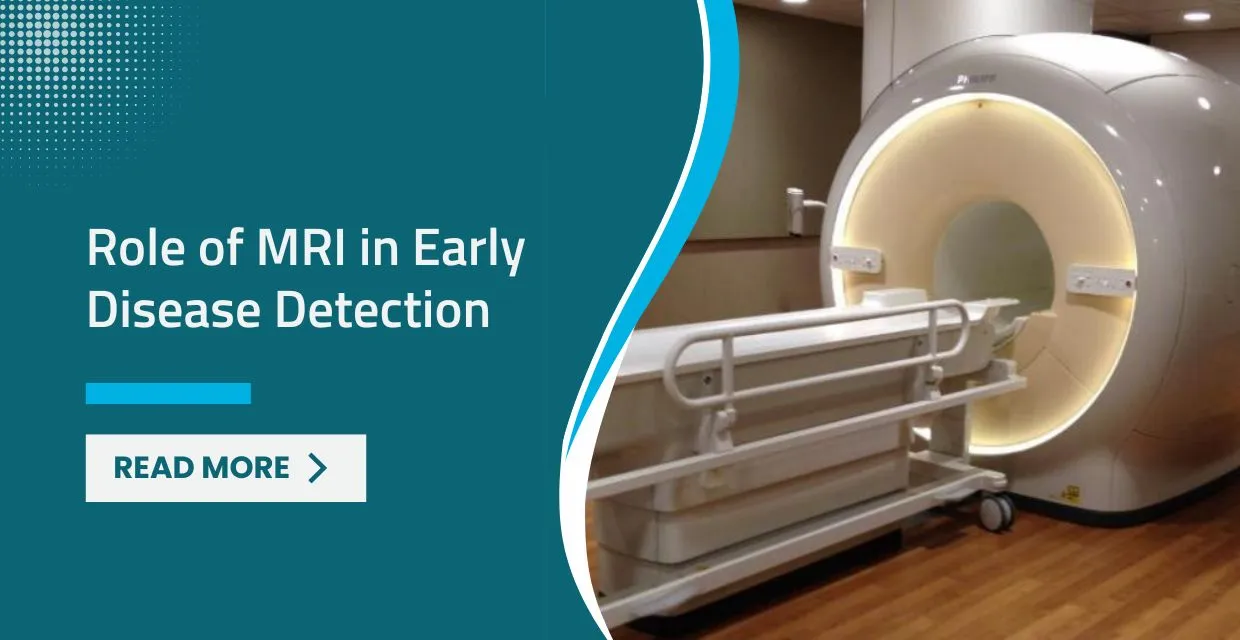
An MRI machine is a large, tube-shaped magnet. Here's what you can expect:
- Positioning: You will lie on a motorized table that slides into the center of the machine.
- Staying Still: It is critical to remain as still as possible during the scan to ensure the images are clear.
- Loud Noises: During the scan, the machine will make various thumping and clicking sounds. We often provide earplugs or headphones to make your experience more comfortable.
- Communication: You will be able to talk to the technician through an intercom at any time.
Wait, What about CT Scans?
While both provide internal images, they serve different purposes. CT scans are much faster and better for looking at bones and acute bleeding, while MRI is superior for detail in soft tissues. (Read our full comparison: CT Scan vs. MRI: Which is Best?).
Conclusion: Clearer Images for Better Outcomes
At LifeCare Hospitals, our MRI services are a cornerstone of our commitment to diagnostic excellence. By providing our medical teams with the clearest possible view of your internal health, we can develop more targeted and effective treatment plans, helping you on your journey toward recovery and wellness.
Frequently Asked Questions (FAQs)
Are MRI scans safe?
Yes. Because MRI scans do not use radiation, they are generally considered very safe. However, the strong magnetic field means they are not suitable for people with certain metallic implants.
How long does an MRI scan take?
Most scans take between 20 and 60 minutes, depending on the area being imaged and whether contrast dye is needed.