
Expert Tips for Maintaining Bone Health: Building Your Body's Foundation
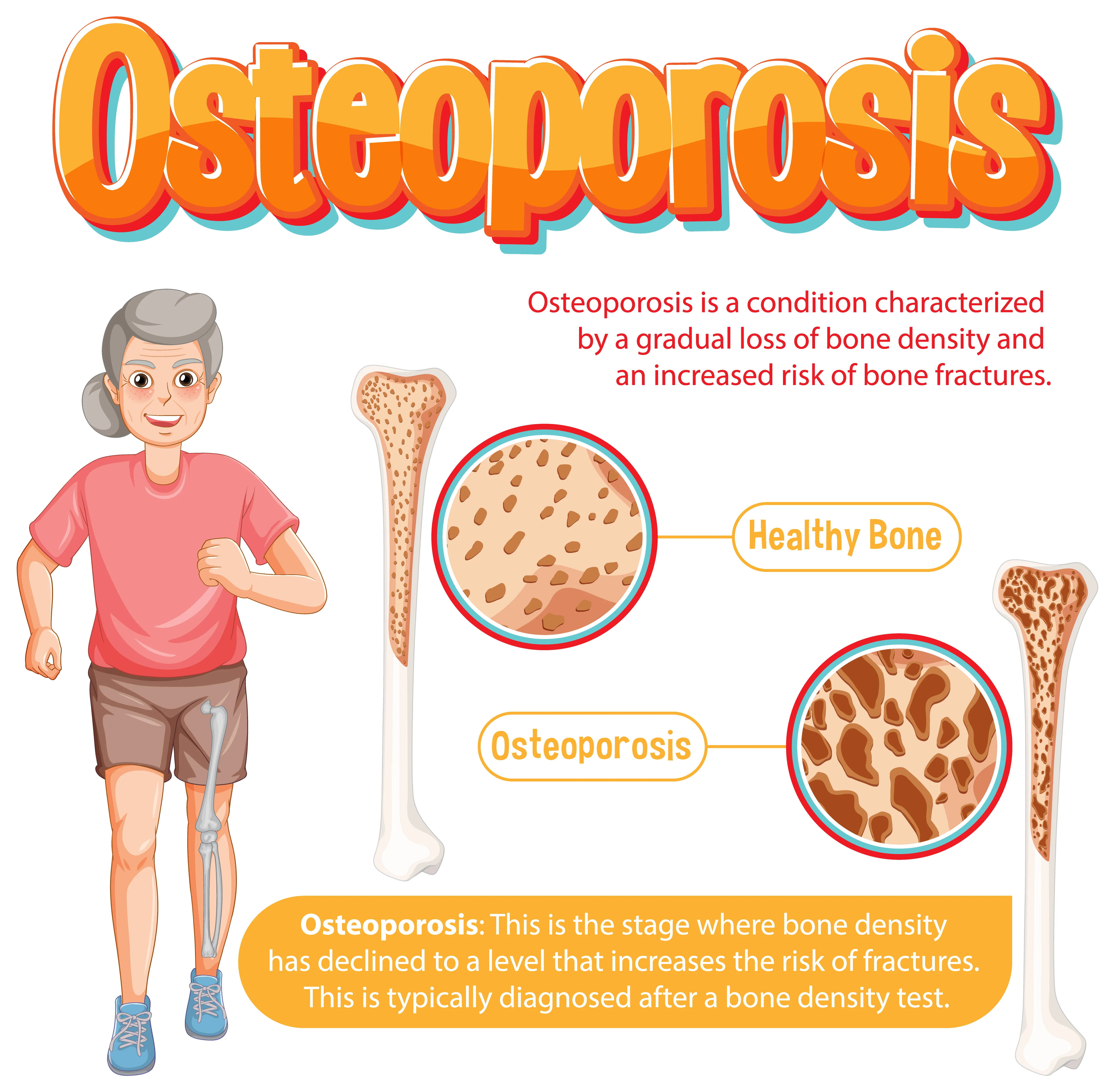
Our bones are living, growing tissues that do much more than just provide a frame for our bodies. They protect our vital organs, store essential minerals, and produce blood cells. Yet, we rarely think about them—until something breaks. In Kenya, as our population lives longer, we are seeing a significant rise in Osteoporosis (porous bones) and related fractures.
The good news is that your bone health is not entirely dictated by age. Through proper nutrition, targeted exercise, and regular clinical check-ups, you can maintain strong, healthy bones well into your senior years. At LifeCare Hospitals Kenya, our orthopedic specialists are dedicated to helping you build a "skeletal savings account." in this blog, we share our expert tips for life-long bone strength.
1. Calcium: The Building Block
Calcium is the primary mineral that makes bones hard and strong. If your diet is low in calcium, your body will "rob" it from your bones to maintain proper nerve and muscle function.
- Daily Goal: Aim for 1,000 to 1,200 mg per day.
- Sources: Dairy products (milk, yogurt), leafy greens (sukuma wiki, spinach), small fish with bones (omena), and fortified cereals.
- Supplementation: If you cannot get enough from food, consult your LifeCare doctor about a calcium supplement. Taking too much can increase heart risk, so professional guidance is key.
2. Vitamin D: The Calcium Gateway
Calcium is useless if your body cannot absorb it. Vitamin D acts as the "key" that unlocks the gut to let calcium in.
- Sunlight: Kenya is blessed with sunshine, which is our primary source of Vitamin D. 15 minutes of midday sun on your arms and legs is usually enough.
- Check Your Levels: Many people in urban areas like Nairobi actually have Vitamin D deficiency because of indoor work. A simple blood test at LifeCare can confirm your levels.
3. Movement that "Challenges" Bones
Bones respond to stress by becoming thicker and stronger. Not all exercise is equal for bone health. You need **Weight-Bearing** and **Resistance** training:
- Weight-Bearing: Activities where you carry your own body weight, such as brisk walking, dancing, or climbing stairs.
- Resistance Training: Using weights, resistance bands, or bodyweight exercises (like squats) to pull on the bones.
- Avoid Sedentary Habits: Prolonged inactivity is the fastest way to lose bone density.
4. Watch Your "Bone Robbers"
Certain lifestyle habits actively deplete your bones:
- Smoking: Nicotine is toxic to the cells that build new bone (osteoblasts) and reduces blood flow to the bone.
- Excessive Alcohol: More than two drinks a day interferes with calcium balance and hormone production.
- Too Much Salt: High sodium causes more calcium to be flushed out in your urine.
- Caffeine Overload: Very high caffeine intake can slightly decrease calcium absorption.
5. Hormonal Health and Bones
Hormones, specifically Estrogen in women and Testosterone in men, play a
massive role in maintaining bone density.
Women after menopause see a rapid drop in Estrogen, which is why 1 in 3
women over 50 will experience an osteoporotic fracture. If you are
entering menopause, visit LifeCare for a bone health evaluation to see
if you need preventative care.
6. Clinical Screening: The DEXA Scan
You cannot "feel" your bone density decreasing. The only way to know is
through a **DEXA Scan** (Dual-Energy X-ray Absorptiometry). It is a
painless, low-dose X-ray that measures the mineral density and strength
of your hips and spine.
LifeCare recommends a baseline DEXA scan for:
- Women over age 65.
- Men over age 70.
- Anyone over 50 who has suffered a fracture from a minor fall.
Conclusion: Invest in Your Foundation
Your bones are with you for life. By treating them well today, you are preventing the pain, disability, and loss of independence that come with fractures later in life. Strong bones mean you can keep walking, working, and playing with your family for decades to come.
At LifeCare Hospitals Kenya, we provide a full range of musculoskeletal care. From nutritional counseling and Vitamin D testing to advanced DEXA scans and expert orthopedic surgery, we are here to support your skeletal health. Don't wait for a break to act. schedule your bone health check-up today. Let's make your foundation unbreakable.
Frequently Asked Questions (FAQs)
Can Osteoporosis be reversed?
While it is difficult to "fully reverse" it, modern medications and lifestyle changes can significantly increase bone density and, more importantly, drastically reduce your risk of a future fracture. Early intervention is key.
Does drinking soda weaken bones?
Some studies suggest that the phosphoric acid in dark colas can lead to calcium loss. More importantly, people who drink a lot of soda often drink less milk or calcium-enriched water, leading to a dietary deficiency.
Are plant-based milks good for bones?
Naturally, soy or almond milks do not have much calcium. However, many brands sold in Kenya are **fortified** with calcium and Vitamin D. Always check the label to ensure you are getting the minerals your bones need.
Is walking enough exercise for bone health?
Walking is great, but adding some level of resistance (like carrying light groceries or doing wall push-ups) is even better. The more you "tug" on the muscles and bones, the more your body prioritizes maintaining that bone density.