
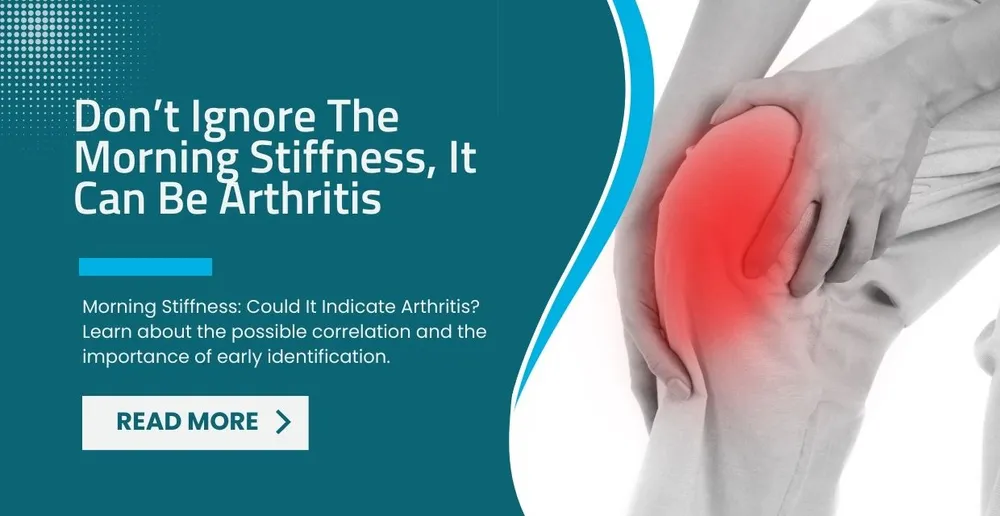
Exploring the Various Types of Arthritis: Beyond Simple Joint Pain
The term "arthritis" is often used as a catch-all phrase to describe any pain in the joints. In common conversation in Kenya, people often treat it as an inevitable part of aging. However, arthritis is not a single disease. It is actually an umbrella term for more than **100 different conditions** that affect the joints and surrounding tissues.
While some types of arthritis are caused by simple "wear and tear," others are the result of an overactive immune system attacking your own body. Correctly identifying *which* type of arthritis you have is critical, because the treatment for one type can be completely different from the treatment for another. At LifeCare Hospitals, our rheumatology and orthopedics teams use advanced diagnostics to find the root cause of your pain. in this guide, we explore the most common types of arthritis and their specific symptoms.
1. Osteoarthritis (OA): The "Wear and Tear"
This is the most common form of arthritis globally and in Nairobi.
- What happens: The protective cartilage that cushions the ends of your bones wears down over time. Eventually, bone rubs on bone.
- Symptoms: Pain that worsens after activity and gets better with rest. Stiffness, especially in the morning or after sitting for a long time. It commonly affects the knees, hips, and lower back.
- Risk Factors: Age, obesity (excess weight puts more pressure on joints), and previous injuries.
2. Rheumatoid Arthritis (RA): The Immune Attack
RA is an autoimmune disease. Your immune system mistakenly attacks the lining of your joints (the synovium).
- What happens: The systemic inflammation can eventually destroy cartilage and bone inside the joint. It is a "whole-body" disease.
- Symptoms: Symmetrical pain (if your left wrist hurts, your right one usually does too). Morning stiffness that lasts for **more than an hour**. Fatigue, fever, and a general feeling of being unwell.
- The Danger: If left untreated, RA can cause permanent joint deformity and even affect organs like the heart and lungs.
3. Gout: The Metabolic Flare
Gout is caused by the buildup of uric acid crystals in the joint.
- What happens: When blood uric acid levels get too high, needle-like crystals form in the joints, causing intense pain.
- Symptoms: Sudden, severe attacks of pain, usually in the **large joint of the big toe**, though it can affect knees and ankles. The joint becomes extremely red, swollen, and hot—often so sensitive that even a bedsheet touching it is agonizing.
- Trigger: High-purine foods (red meat, seafood), alcohol, and dehydration.
4. Psoriatic Arthritis
This type affects some people who have the skin condition known as psoriasis.
- Symptoms: Joint pain combined with red, scaly patches of skin. A unique symptom is "Dactylitis" or **sausage fingers/toes**, where the entire digit swells up. You may also notice pitting or crumbling of the fingernails.
5. Ankylosing Spondylitis (AS)
An inflammatory arthritis that primarily affects the spine.
- Symptoms: Chronic back pain and stiffness, especially in the lower back and buttocks. The pain is usually **worse at night** and improves with exercise. In severe cases, the vertebrae in the spine can fuse together, making the back rigid.
6. Precision Arthritis Management at LifeCare Hospitals
How we help you move again:
- Diagnostic Accuracy: We use specialized blood tests (RF factor, Anti-CCP, Uric Acid) and high-resolution imaging (X-ray, MRI, Ultrasound) to confirm your specific type.
- Biologic Therapies: For autoimmune types like RA, we offer modern biologic medications that "turn off" the specific part of the immune system causing the damage.
- Physiotherapy: Our therapists create "Joint Protection" programs to strengthen the muscles around your joints, reducing pain and increasing mobility.
- Surgical Excellence: If a joint is beyond repair (especially in advanced Osteoarthritis), our orthopedic surgeons perform world-class **Hip and Knee Replacements**.
Conclusion: Don't Just Live with the Pain
Joint pain is not a "normal" part of life that you must simply endure. With the right diagnosis and a modern treatment plan, you can reduce inflammation, preserve your joints, and keep doing the things you love.
LifeCare Hospitals Kenya is your dedicated partner in **Rheumatological & Orthopedic Excellence**. We are committed to ensuring that every patient in East Africa has access to the highest quality joint care available. Whether you are dealing with a sudden gout attack or chronic morning stiffness, our doors are open. Your brilliance is matched by your resilience; let's work together to protect your mobility. Visit us today for an arthritis evaluation. We are here to help you move forward.
Frequently Asked Questions (FAQs)
Can a "special diet" cure arthritis?
**No**, but it can help manage it. An anti-inflammatory diet (rich in Omega-3 fish, ginger, turmeric, and vegetables) can reduce RA symptoms. Specific avoids (like red meat and alcohol) are essential for managing Gout.
Should I stop exercising if my joints hurt?
**Generally, no.** While you should avoid high-impact activities during a "flare," movement is actually essential for arthritis health. "Movement is Lotion"—it keeps the joint fluid circulating. Low-impact exercises like swimming or cycling are usually recommended.
Is "cracking" your knuckles bad for arthritis?
Scientific studies have shown that cracking knuckles does not cause arthritis. The "pop" you hear is just gas bubbles moving in the joint fluid. However, if cracking causes pain or swelling, you should have your joint checked.
Can weather (like cold mornings in Nairobi) affect arthritis?
**Yes.** While cold weather doesn't *cause* arthritis, changes in barometric pressure can cause joint tissues to expand and contract, which increases pain and stiffness for many patients. Keeping joints warm with clothing or heat patches often helps.