
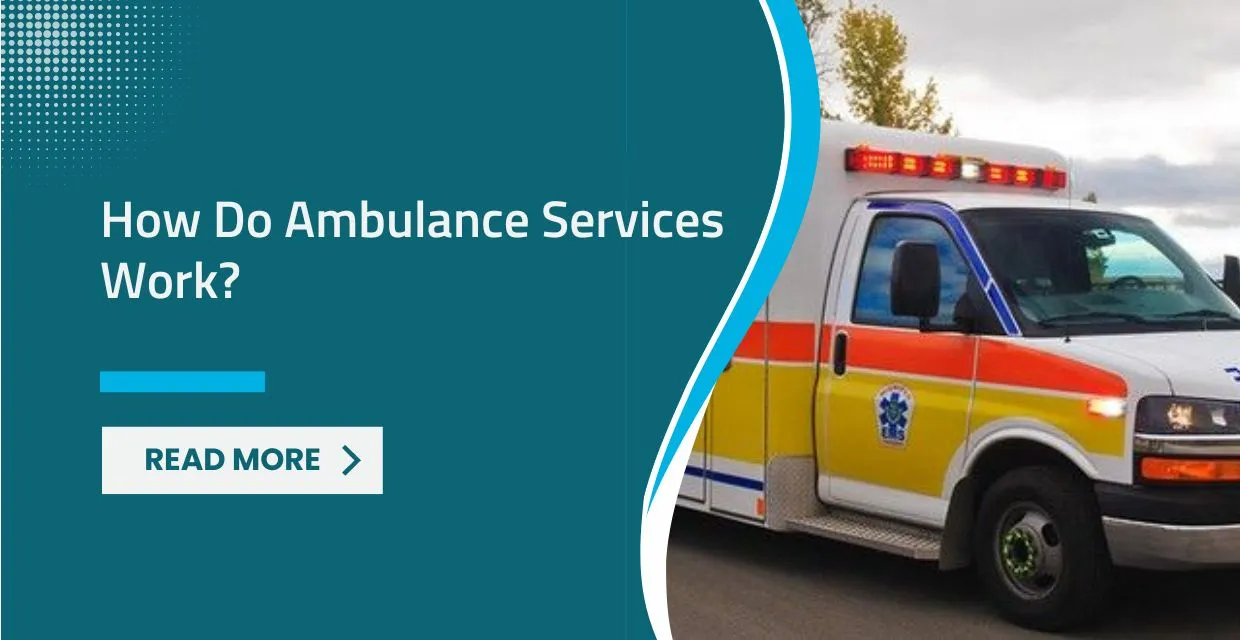
How Do Ambulance Services Work? Behind the Scenes of Emergency Care
In the world of medicine, there is a concept known as the "Golden Hour." This is the critical window of time following a traumatic injury or a sudden medical emergency, such as a heart attack or stroke, where rapid intervention determines the difference between recovery and permanent disability—or even life and death. The bridge between the scene of the emergency and the hospital's trauma bay is the **Ambulance Service**.
For most people, an ambulance is just a vehicle with bright lights and a loud siren. But in reality, a modern ambulance is a high-tech "Emergency Room on Wheels," staffed by experts who can perform complex life-saving procedures long before they reach our hospital doors. At LifeCare Hospitals Kenya, our emergency medical services (EMS) are integrated with our main medical departments to ensure a "seamless continuum of care." In this guide, we explore exactly how ambulance services work, from the first call to the final hospital hand-off.
Emergency? Call LifeCare 24/7: +254 730 950 000
1. The Dispatch: The First Link in the Chain
The ambulance journey starts the moment a call reaches our dispatch center. Our dispatchers are trained in "Emergency Medical Dispatch" (EMD). They don't just take an address; they use specific protocols to understand the severity of the situation. This is called **Triage**.
While the ambulance is already on the move, the dispatcher will often stay on the line with you, providing life-saving instructions—such as how to perform CPR, how to clear an airway, or how to stop severe bleeding. This "first response" from you, guided by us, is a vital part of the survival chain.
2. Inside the Ambulance: BLS vs. ALS
Not every ambulance carries the same equipment or the same team. Depending on the triage level, we send one of two types of units:
- Basic Life Support (BLS): Staffed by Emergency Medical Technicians (EMTs). These units handle non-life-threatening transfers and minor injuries. They carry oxygen, basic medication, and automated external defibrillators (AEDs).
- Advanced Life Support (ALS): Staffed by highly trained Paramedics. These are true mobile intensive care units. They carry advanced cardiac monitors, ventilators, and a wide range of emergency medications. Paramedics can intubate patients, administer IV fluids, and perform "12-lead ECGs" that transmit directly to our cardiologists at LifeCare while the ambulance is in traffic.
3. The "Stay and Play" vs. "Scoop and Run"
There is a common misconception that the ambulance should just drive as fast as possible to the hospital. While speed is important, sometimes the best choice is to stabilize the patient *on the scene* first. This is "Stay and Play." If a patient's heart has stopped, for example, the paramedics will perform high-quality resuscitations on the spot because the quality of care is better on the ground than in the back of a moving vehicle. Once stabilized, the "Scoop and Run" phase begins, where the team transports the patient to the nearest appropriate LifeCare facility.
4. Traffic and Navigation: A Kenyan Challenge
Navigating Kenyan traffic is one of the toughest parts of the job. Our ambulances are equipped with GPS tracking and specialized communication systems that allow our dispatchers to guide drivers through the fastest possible routes. We also rely on the public to cooperate. When you see a siren and lights, please pull over safely—that simple act could be saving someone's life.
5. The Hospital Hand-Off: The Mission Continues
The ambulance service doesn't end at the hospital entrance. The "hand-off" is a critical moment where the paramedic provides a detailed verbal and written report to our ER doctors and nurses. They share the patient's vitals, the medications given, and any changes observed during transport. This ensures that the hospital team can jump straight into the next phase of treatment without wasting a single second.
6. Inter-Hospital Transfers
Sometimes, an ambulance is used to move a critical patient from a smaller clinic to a specialized LifeCare facility—for example, a patient requiring emergency neurosurgery or advanced cardiac bypass. During these transfers, the ambulance team maintains the same level of ICU-grade care that the patient was receiving in the ward, ensuring there is no "dip" in treatment quality during the journey.
Conclusion: Your 24/7 Safety Net
Ambulance services are the thread that connects an accident scene to a recovery room. At LifeCare Hospitals Kenya, we invest in the best vehicles, the most advanced equipment, and the most compassionate paramedics because we know that when it comes to your family, "good enough" is never enough.
Our ambulances are ready, our teams are trained, and our hospitals are waiting. You are never alone in an emergency—LifeCare is just a phone call away.
Frequently Asked Questions (FAQs)
Does health insurance cover ambulance services?
Most comprehensive health insurance plans in Kenya do cover emergency ambulance transport to the nearest appropriate hospital. We recommend checking your specific policy details with your provider.
Can an ambulance take me to any hospital I want?
In a life-threatening emergency, the ambulance team will always take you to the "closest appropriate" hospital that can handle your condition. If your condition is stable, they will often honor your request to be taken to a specific LifeCare facility.
What should I do while waiting for the ambulance?
Stay calm. Stay on the line with the dispatcher. Clear a path to the patient. If it's night, turn on outside lights. If possible, gather the patient's ID and current medications to have them ready for the team.
Do ambulances carry doctors?
Generally, ambulances carry Paramedics and EMTs, who are specialists in emergency medicine. However, for extremely critical "Critical Care Transfers," we may include a doctor or specialized nurse in the team.