
Managing Chronic Conditions: Practical Tips for Living Well with Diabetes in Kenya
A diagnosis of diabetes can feel overwhelming. Suddenly, your relationship with food, activity, and even your own body changes. You are told you have a "chronic condition," a phrase that sounds heavy and permanent. However, at LifeCare Hospitals Kenya, we want to change that narrative. Diabetes is not a limitation; it is a management project.
With correct management, a person with diabetes can live as long, as healthily, and as actively as anyone else. The challenge in Kenya is often navigating our local food culture and busy lifestyles while maintaining strict blood sugar control. in this guide, our chronic care specialists share practical, clinical, and actionable tips for thriving with diabetes.
1. Knowledge is Power: Testing, Not Guessing
The biggest mistake patients make is trying to "feel" their blood sugar. You cannot feel high blood sugar until it is very high, and you cannot feel the damage it is doing to your kidneys and eyes.
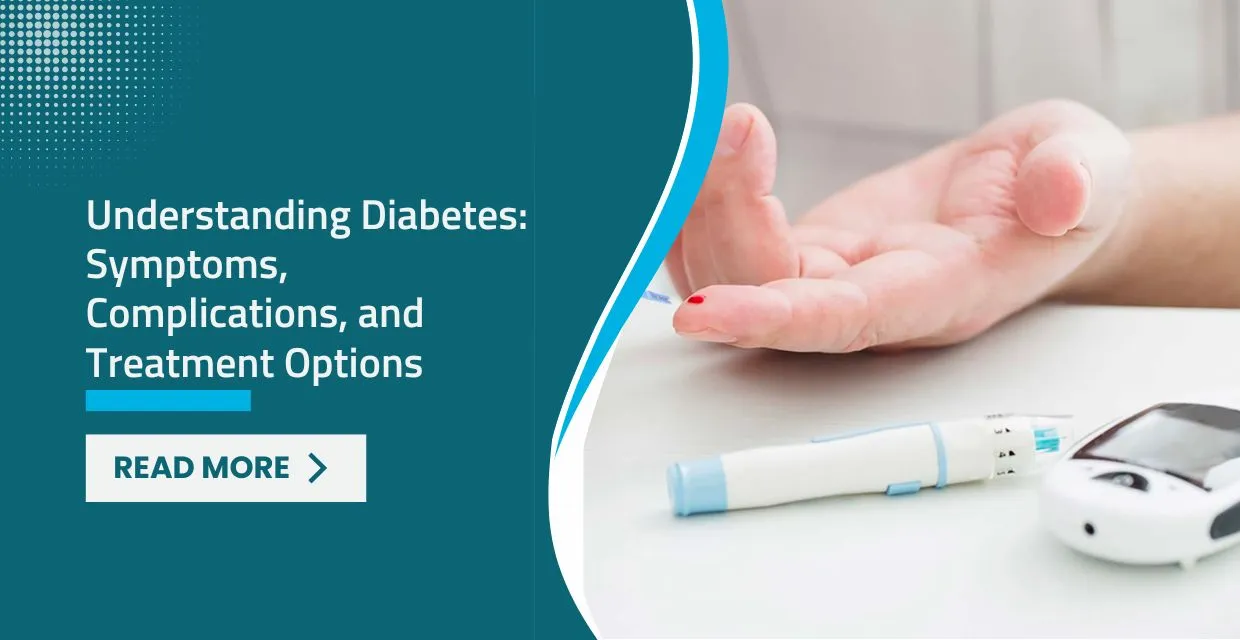
- The Glucometer is Your Friend: Check your blood sugar at home as directed. This data is the "fuel gauge" for your life.
- Understanding HbA1c: While daily tests show a snapshot, the HbA1c test (done at LifeCare labs) shows your average sugar over the last 3 months. Aiming for a target (usually below 7%) is the best way to prevent complications.
2. The Kenyan Diabetic Plate
You don't need expensive "diabetic foods." You just need to re-engineer your traditional Kenyan plate.
- The Half-Plate Rule: Half of your plate should be non-starchy vegetables (*Sukuma Wiki*, traditional greens, cabbage, or salad).
- The Quarter-Plate Starch: Carbohydrates should only take up one-quarter of the plate. Choose "Brown" over "White"—*Ugali wa Afya* (whole grain), sweet potatoes (with skin), or brown rice.
- Lean Protein: The final quarter is for beans, lentils, lean chicken, or fish.
- Fruit Timing: Fruit is healthy but contains sugar. Eat fruit after a meal (not on an empty stomach) to slow down the sugar absorption.
3. Movement as Medicine
Exercise is like a natural dose of insulin. It makes your cells more "sensitive" to sugar, allowing them to pull it out of the blood and use it for energy.
- The 30-Minute Walk: You don't need a gym. 30 minutes of brisk walking 5 days a week can reduce your insulin requirements significantly.
- Don't Be Static: Standing up for 5 minutes after every hour of sitting helps your metabolism stay active.
4. Preventing the "Silent" Complications
Diabetes is a "systemic" disease. It affects everything from your head to your toes.
- Foot Care: Check your feet every single night for cuts, blisters, or redness. Because diabetes can cause nerve damage (neuropathy), you might not feel an injury. A small cut today can become a major ulcer tomorrow.
- Annual Eye Exams: Diabetic Retinopathy is a leading cause of blindness. At LifeCare, we use advanced retinal imaging to catch damage before you lose vision.
- Kidney Screening: A simple urine test can detect "Microalbumin"—early protein leakage that signals the kidneys are under stress. catch this early, and we can save your kidney function.
5. Medication Adherence: Consistency is Key
Metformin or Insulin are not "punishments"—they are tools. Never stop your medication because you "feel better." Stopping medication causes sugar "spikes" that are incredibly damaging to the blood vessels. If you are experiencing side effects, talk to your LifeCare doctor; we can often adjust the dose or the type of medication to make it easier for you.
6. The Mental Side of Chronic Care
"Diabetes Burnout" is real. It's exhausting to think about sugar every
time you eat.
At LifeCare, we provide access to support groups and counseling. Sharing
your journey with others who "get it" is one of the best ways to stay
motivated and avoid the depression that often accompanies chronic
illness.
Conclusion: Thriving, Not Just Surviving
Diabetes does not define who you are. It is simply a condition you manage. By taking control of your metrics, your plate, and your movement, you are reclaiming your health and your future.
At LifeCare Hospitals Kenya, we offer a specialized **Diabetes Management Program**. This includes regular consultations with diabetologists, personalized meal plans from our nutritionists, and comprehensive lab screenings. We are your partners in this journey. Whether you were recently diagnosed or have been living with diabetes for years, we are here to ensure you live your life to the absolute fullest. Your health is our priority; let's manage it together.
Frequently Asked Questions (FAQs)
Can Type 2 Diabetes be reversed?
**Yes and No.** We use the term "Remission." With significant weight loss and exercise, many people can reach normal sugar levels without medication. However, the underlying "tendency" remains, so healthy habits must be permanent.
Is honey better than sugar for diabetics?
**No.** While honey has some nutrients, the body processes it exactly like sugar. It will cause a spike in your blood glucose. Use it very sparingly or not at all if your sugar is poorly controlled.
What is a "Hypo" and what do I do?
Hypoglycemia (Low blood sugar) is when your sugar drops below 4.0 mmol/L. You may feel shaky, sweaty, and confused. The "Rule of 15" applies: Eat 15g of fast-acting sugar (like 3 glucose tablets or half a cup of juice), wait 15 minutes, and re-test. Always carry a sugar source with you if you are on insulin or certain tablets.
Is brown bread safe to eat in unlimited amounts?
**No.** Brown bread is better because it has fiber, but it is still a carbohydrate. Two slices of brown bread will raise your blood sugar. Portion control is always more important than the "color" of the food.