
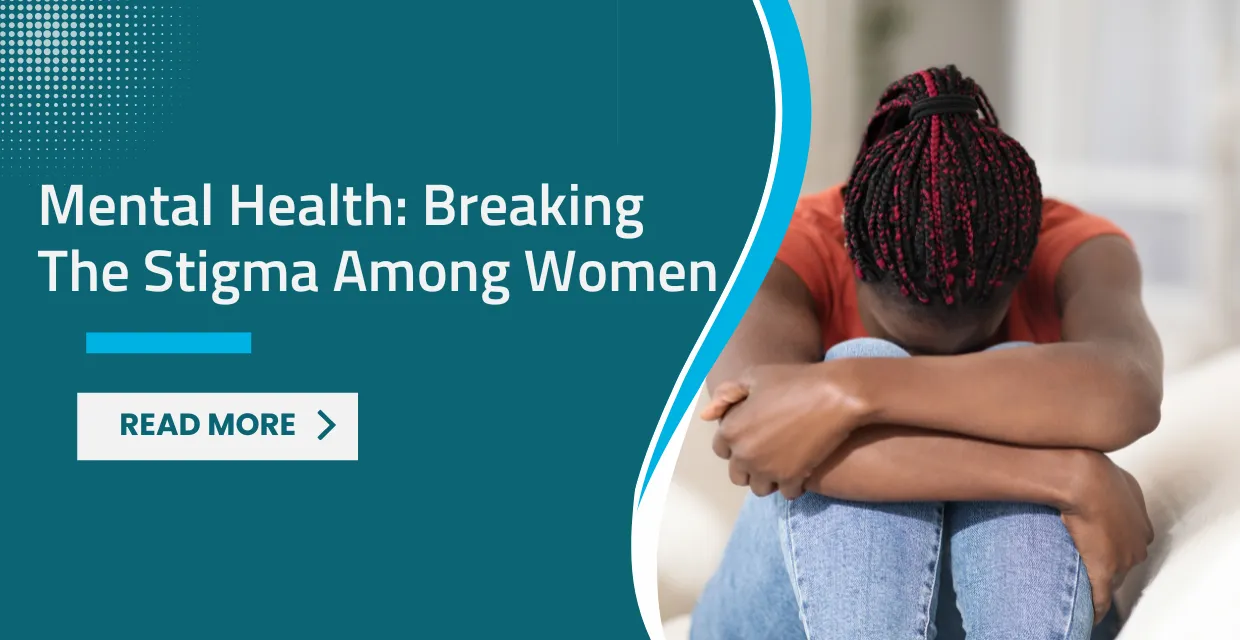
Mental Health: Breaking the Stigma Among Women in Kenya
In many Kenyan communities, a woman is often viewed as the "pillar" of the home—the strong, unshakeable force that holds the family together. While this role is celebrated, it also creates a dangerous silence. When a woman struggles with her mental health, she often feels she is "failing" or "breaking" the image expected of her.
Stigma is the greatest barrier to healing. At LifeCare Hospitals, we see the consequences of this stigma every day: women carrying the weight of depression, anxiety, or trauma alone until it manifests as physical illness. We believe that mental health is not a sign of weakness; it is a vital part of a woman's overall biological wellness. in this guide, we discuss how to recognize the signs and why seeking help is the ultimate act of strength.
1. The unique Stresses of the Modern Kenyan Woman
Women today are navigating a "Double Burden." They are often active in the workforce while still carrying the primary responsibility for the home, children, and elderly relatives.
- The "Strong Woman" Syndrome: The pressure to never complain leads to chronic burnout.
- Financial Stress: Managing household budgets in a tough economy is a major trigger for anxiety.
- Societal Expectations: The fear of being judged by the community or church often prevents women from speaking out about their struggles.
2. Recognizing the Signs for Action
Mental health doesn't always look like "sadness." In women, it often manifests in other ways:
- Physical Symptoms: Frequent headaches, digestive issues, or chronic fatigue that doctors can't find a physical cause for.
- Changes in Sleep: Sleeping too much or being unable to fall asleep despite being exhausted.
- "Foggy Brain": Difficulty concentrating at work or forgetting simple daily tasks.
- Irritability: Feeling "snappy" or unusually angry with children or partners.
- Loss of Joy: No longer feeling interested in hobbies, friends, or intimacy.
3. Maternal Mental Health: The Taboo Topic
Postpartum Depression (PPD) is a crisis that is often hushed in Kenya. A
new mother is expected to be "joyful," but many feel overwhelming
sadness, guilt, or even fear of their baby.
This is not a "choice" or a "lack of faith." It is a biological response
to the massive hormonal shift after birth combined with sleep
deprivation. At LifeCare, we screen all new mothers for PPD. It is
treatable, and you are not alone.
4. Hormones and the Mind: PMDD
For many women, mental health fluctuates with their cycle. **Premenstrual
Dysphoric Disorder (PMDD)** is a severe form of PMS that causes
debilitating depression and anger in the week before a period.
If your mood changes are regular and predictable, it might be hormonal.
A gynecologist and a psychiatrist working together can provide
life-changing solutions like hormonal therapy or targeted medication.
5. How to Break the Stigma at Home
Breaking stigma starts with the words we use:
- Stop saying "Just be strong": Instead, say "I see you are struggling; how can I help?"
- Normalize the conversation: Talk about mental health as you would a broken leg or malaria.
- Protect your peace: It is okay to set boundaries with relatives or colleagues who add to your stress.
6. The Path to Healing: Professional Support
Seeking help is not "giving up." It is the first step toward regaining your power.
- Counseling/Therapy: A therapist provides a safe, non-judgmental space to unpack your feelings.
- Psychiatric Care: Sometimes, the brain’s chemistry needs a "reset" with medication. Modern medications are safe, effective, and not addictive for life.
- Community Groups: Knowing that other women are walking the same path is incredibly validating.
Conclusion: You Are Worth the Effort
To the women of Kenya: Your mental health is just as important as your heart health. You cannot pour from an empty cup. By taking care of your mind, you are actually becoming better for your family, your career, and yourself.
At LifeCare Hospitals Kenya, we offer comprehensive **Mental Health Services**. From private counseling sessions to specialized psychiatric care, we provide a confidential and compassionate haven for healing. You don't have to carry the world on your shoulders. Let us help you carry it. Your brilliance is matched by your resilience; let's nurture both. Visit us today to start your journey to a lighter, brighter mind. We are here for you.
Frequently Asked Questions (FAQs)
Does seeing a psychiatrist mean I am "crazy"?
**Absolutely not.** A psychiatrist is a medical doctor who specializes in the brain's chemistry. Seeing one is no different from seeing a cardiologist for your heart. It means you are taking your health seriously.
How can I afford therapy in Kenya?
Many insurance plans now provide coverage for mental health consultations. We also offer session-based billing that is designed to be as accessible as possible. Think of it as an investment in your productivity and future.
Will my family find out if I come for counseling?
Patient confidentiality is the foundation of our care at LifeCare. Your files and your sessions are private between you and your healthcare professional. We only share information if there is an immediate risk of self-harm or harm to others, as per legal requirements.
How long does therapy take to work?
It varies. Some people feel a "weight lift" after just one or two sessions of being heard. For deeper challenges, it may take several months. The goal is to give you the "tools" to manage your life independently.