
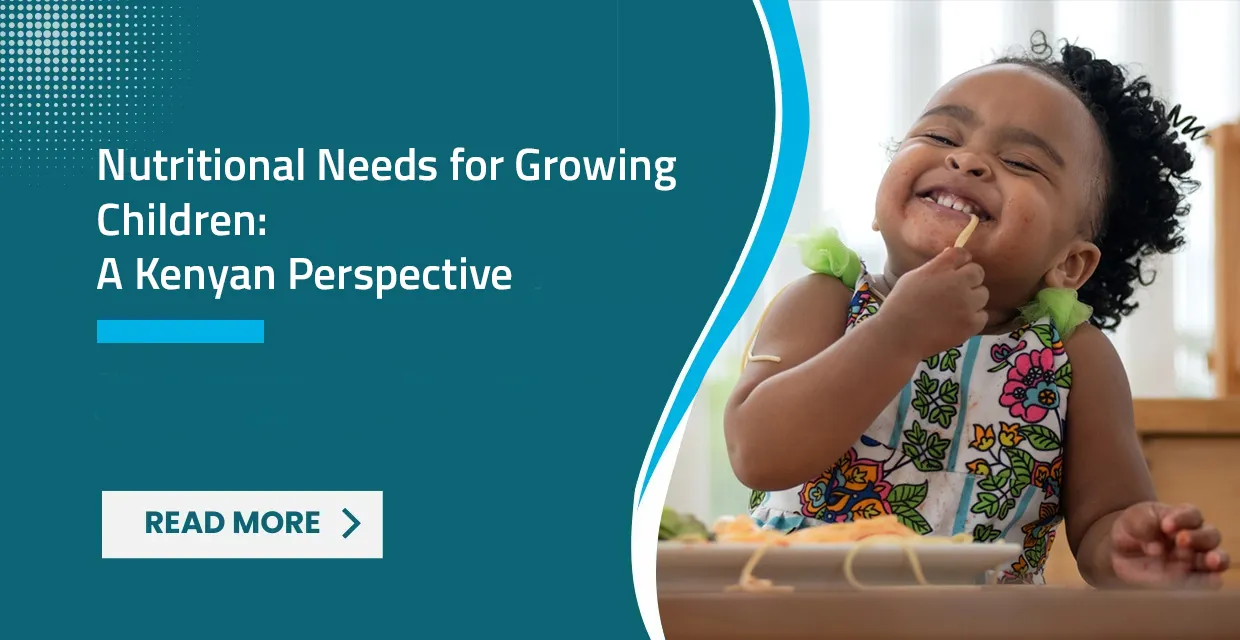
Nutrition for Growing Bodies: Building Blocks for a Healthy Future
As a parent in Kenya, your child's health is your primary mission. We work tirelessly to provide for them, ensuring they have the best education and a safe home. But perhaps the most enduring gift we can give them is a healthy relationship with food and a body built on premium nutrition.
The first few years of life are a period of explosive growth. Between birth and the age of 18, a human being creates new bone, new brain tissue, and new metabolic pathways every single day. The quality of the "building blocks" (the food) we provide during these years determines their height, their cognitive potential, and even their risk for chronic diseases like diabetes in adulthood. At LifeCare Hospitals, our pediatricians and nutritionists are here to guide you through the maze of childhood eating. in this blog, we share the essentials of pediatric nutrition for the Kenyan home.
1. The Big Three: Macronutrients for Energy
Children need more energy than adults relative to their size. This energy comes from three sources:
- Complex Carbohydrates: These are the "slow-burn" fuels. Instead of white bread or sugary cereals, choose whole grains like brown *Ugali*, sweet potatoes, and oats. They provide steady energy for school and play.
- High-Quality Protein: The literal building blocks for muscles and organs. Prioritize lean meats, eggs, beans, lentils, and dairy. For growing kids, protein is essential for growth hormones to function correctly.
- Healthy Fats: Crucial for brain development! In Nairobi, we are lucky to have access to avocados—one of the world's best "brain foods." Omega-3s from fish (like Omena or Tilapia) are also vital for eye and brain health.
2. The Micronutrient Mission: Iron and Calcium
While macros provide energy, micros (vitamins and minerals) run the "software" of the body.
- Iron: Essential for transporting oxygen to the brain. Iron deficiency is a leading cause of school-related fatigue and learning difficulties in Kenya. Ensure children eat green leafy vegetables (*Mboga*) and lean red meat.
- Calcium & Vitamin D: The "Bone Team." Without these, bones can become soft (Rickets) or stunted. Milk, yogurt, and limited sun exposure are the best sources.
- Zinc: Vital for the immune system. Zinc-rich foods like seeds, nuts, and meats help kids fight off the frequent respiratory infections common in school environments.
3. Decoding the "Sugar trap"
Modern Kenyan shops are filled with highly processed, sugary snacks and
colorful juices. These provide "empty calories"—energy without
nutrients.
Too much sugar leads to constant energy "spikes" and "crashes,"
affecting a child’s behavior and focus. It also sets the stage for
early-onset obesity and Type 2 diabetes. Water and whole fruit should
always be the priority over soda and juice boxes.
4. The "Fussy Eater" Survival Guide
Mealtime should not be a battle. If your child is refusing new foods:
- The "One Bite" Rule: Encourage them to try just one bite of a new vegetable without pressure. Scientists say it can take up to 15 exposures for a child to like a new taste.
- Be the Example: If your child sees you eating Sukuma Wiki with joy, they are much more likely to try it.
- Don't Use Food as a Reward: Avoid saying "if you eat your greens, you get cake." This teaches the brain that greens are a chore and cake is the goal.
5. Nutrition for the School Day
The "School Lunch" is often where nutrition falls apart.
A balanced lunchbox should include:
- A fruit (Banana, Apple, or Mango).
- A protein source (Hard-boiled egg or beans).
- A complex starch (Sweet potato slices or whole-grain chapati).
- A bottle of plain water.
6. Clinical Monitoring at LifeCare
At LifeCare Hospitals, we don't just weigh your child. We use **Growth
Charts** to ensure they are on the right trajectory for their age and
genetics.
Our pediatric department provides:
- Anemia screening (checking iron levels).
- Vitamin D and Micronutrient assessment.
- Personalized meal planning for children with allergies or specific health conditions.
- Management of childhood obesity with a compassionate, family-centered approach.
Conclusion: Small Changes, Big Future
You don't need to be a "perfect" nutritionist. Every healthy choice you make today—choosing water over soda, or adding a side of greens to dinner—is an investment in your child's 30-year-old self.
LifeCare Hospitals Kenya is your partner in parenting. Our **Pediatric Wellness Clinic** is designed to support the growth and development of your little ones from infancy through adolescence. Let’s work together to build a generation of healthy, strong, and brilliant Kenyan children. Your child's future is as bright as the health we give them today. Visit us for a pediatric wellness check-up soon. We are here to nurture your most precious assets.
Frequently Asked Questions (FAQs)
Does my child need a multivitamin?
**Ideally, no.** Most children can get all their nutrients from a balanced diet. However, if your child is extremely fussy or has an underlying condition, a pediatrician at LifeCare may recommend a supplement after seeing their lab results.
When should my child start drinking milk?
Whole cow's milk should only be introduced after the age of 12 months. Before that, breastmilk or formula is the only safe option for their developing kidneys and digestive system.
My child is always "hyper" after certain foods. Is it sugar?
While "sugar highs" are debated scientifically, many children do experience energy spikes from refined sugars and certain food dyes. Observe their patterns and try replacing sugary snacks with protein-rich ones (like yogurt or nuts) to see if their behavior stabilizes.
Is juice better than soda?
**Slightly.** While juice has vitamins, it often has as much sugar as soda and lacks the fiber of whole fruit. It is always better to eat the whole orange rather than drink the juice. If giving juice, dilute it with 50% water.