
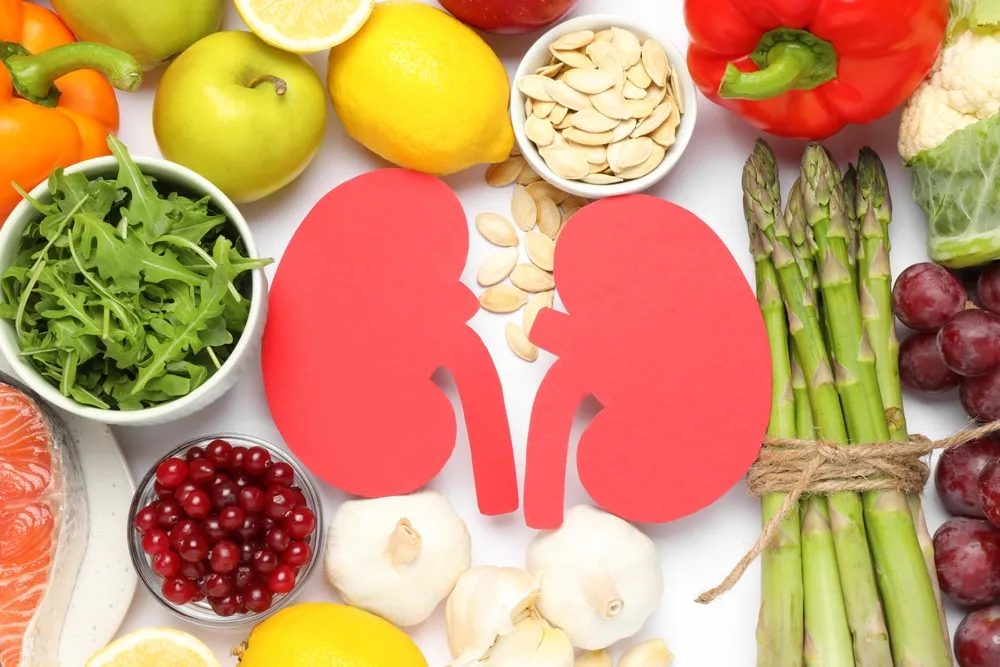
Optimizing Kidney Function: Lifestyle Secrets for Lasting Renal Health
Your kidneys are two bean-shaped powerhouses that work 24/7 to keep your internal environment clean. They filter about **200 liters** of fluid every day, sifting out toxins while holding onto vital nutrients. Beyond just filtering, they balance your electrolytes, regulate your blood pressure, and even help produce red blood cells.
In Kenya, Chronic Kidney Disease (CKD) is on the rise, primarily driven by the increasing prevalence of diabetes and hypertension. Because your kidneys can lose up to 90% of their function before you feel a single symptom, proactive "optimization" is essential. At LifeCare Hospitals, our nephrology department believes that preserving kidney health is a lifelong marathon, not a sprint. in this guide, we reveal the lifestyle adjustments that can significantly protect these vital filters.
1. Hydration: The Golden Rule (With a Catch)
Water is the medium through which your kidneys flush waste.
- The Benefit: Proper hydration helps clear sodium and toxins from the blood, lowering the risk of CKD and kidney stones.
- The Kenyan Morning Ritual: Start your day with a large glass of water. If you are active or in a hot climate (like Mombasa or Eldoret), increase your intake.
- The Catch: More is not always better. For most people, **2-3 liters** a day is perfect. If you *already* have advanced kidney or heart disease, your doctor may actually limit your fluid intake to prevent swelling.
2. The Salt War: Protecting Your Pressure
High blood pressure is the "silent hammer" that breaks the tiny blood
vessels (glomeruli) in your kidneys.
Sodium makes your body hold water, which increases the volume in your
pipes and raises pressure. To optimize kidney health, limit salt to less
than **5 grams** (one teaspoon) a day. Watch out for hidden salts in
bread, stock cubes, and processed meats (*Saosage/Smokies*).
3. Managing the "Twins": Diabetes & Hypertension
If you have high blood pressure or diabetes, your kidneys are are high risk.
- Blood Sugar: High glucose levels act like "syrup" in the blood, gumming up the delicate renal filters. Keeping your HbA1c in range is the best protection.
- Pressure Management: Aim for a BP of less than **130/80**. At LifeCare, we use specialized medications (ACE inhibitors and ARBs) that not only lower pressure but specifically protect the kidneys.
4. The Danger of "Kicks": NSAID Awareness
A common cause of sudden kidney damage in Nairobi is the overuse of
common painkillers known as NSAIDs (like Ibuprofen, Diclofenac, or
Naproxen).
Small doses for a headache are fine, but taking them daily for chronic
back pain can "starve" the kidneys of blood flow, leading to permanent
scarring. Always choose Paracetamol first, and never use NSAIDs for more
than a few days without medical supervision.
5. Kidney-Friendly Nutrition
Optimize your plate:
- Protein Balance: A very high-protein diet (common with bodybuilders or high-meat diets) can put extra strain on kidneys. Focus on plant-based proteins several times a week.
- Phosphorus & Potassium: If your kidney function is already slightly low, we may suggest limiting high-phosphorous foods like dark sodas and processed cheeses.
- The Power of the Traditional Plate: Traditional Kenyan vegetables (*Managu, Terere*) are excellent sources of nutrients, but if you have advanced CKD, you should boil them and discard the water to reduce potassium.
6. Precision Nephrology at LifeCare Hospitals
How we help you preserve your function:
- Advanced Screening: We don't just check "Creatinine." we calculate your **eGFR** (Glomerular Filtration Rate) and check for **Proteinuria** (protein in the urine), which is the earliest warning sign of kidney stress.
- Specialized Dialysis: Should kidney failure occur, our branches in Nairobi, Bungoma, and Eldoret provide state-of-the-art hemodialysis in a comfortable environment.
- Renal Nutritionists: Our dietitians create personalized meal plans that take the guesswork out of kidney health.
Conclusion: Your Brilliance, Their Filtration
Your kidneys are quiet, humble organs. They don't complain until they are in serious trouble. By making small adjustments to your diet, hydration, and medication habits today, you are ensuring they can keep you clean for decades to come.
LifeCare Hospitals Kenya is your dedicated partner in **Renal Excellence**. We believe that every Kenyan deserves healthy, functioning kidneys. Our mission is to move from "sick care" to "wellness care," helping you optimize your health before complications arise. Your brilliance is matched by your resilience; let's work together to protect your internal environment. Visit our nephrology department today for a renal check-up. We are here to help you flow toward a healthier future.
Frequently Asked Questions (FAQs)
Does "Juice Cleansing" detox the kidneys?
**No.** Your kidneys ARE the detox system. Juice cleanses can actually be harmful if they are high in oxalates (found in spinach or beets), which can cause kidney stones. The best way to "detox" is to drink clean water and limit processed foods.
Are kidney stones a sign of kidney disease?
Not necessarily, but they are a sign your kidneys are under stress. Repeated stones can cause scarring and lead to CKD over time. At LifeCare, we treat the stones and then analyze them to tell you exactly which foods to avoid to prevent them from coming back.
Can the kidneys regrow if they get damaged?
In cases of **Acute Kidney Injury** (temporary damage from a severe infection or medication), they can often recover fully. However, **Chronic Kidney Disease** (damage over years from BP or Diabetes) involves permanent scarring that cannot be reversed. This is why early detection is so vital.
How often should I check my kidney function?
If you are young and healthy, once every 2-3 years during a wellness check is fine. If you have Diabetes or Hypertension, you should have your blood (Creatinine/eGFR) and urine checked **at least once a year**.