
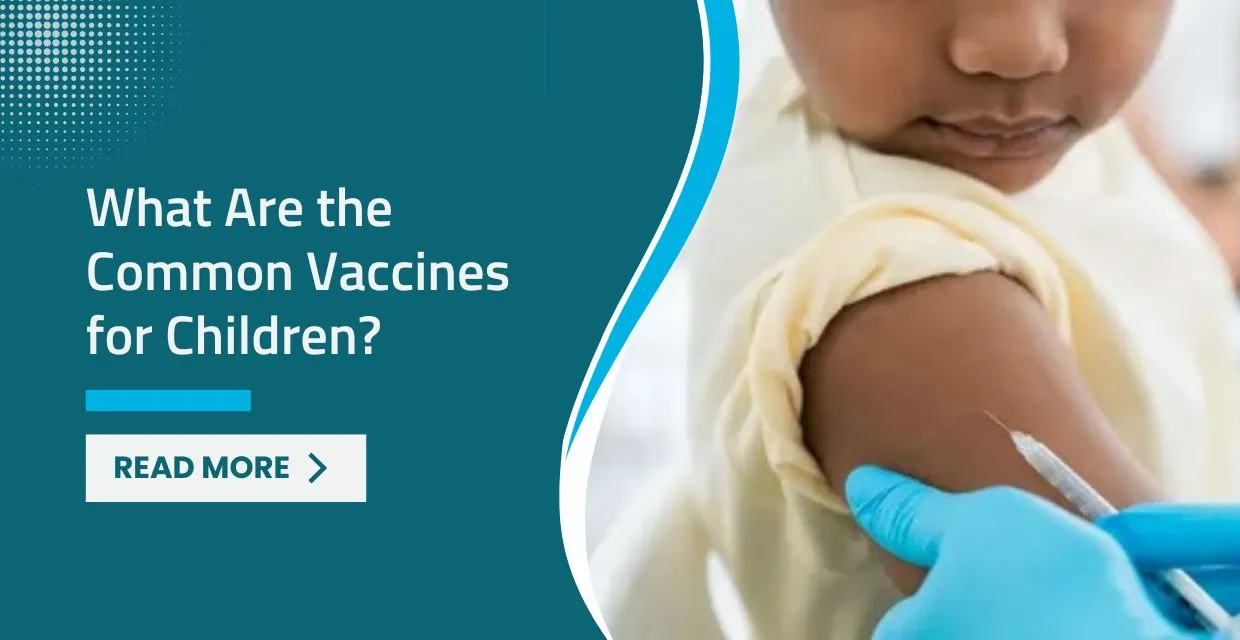
Safeguarding Childhood: The Unbreakable Importance of Immunization
As a parent, your primary instinct is to protect your child from harm. You hold their hand when crossing the street, you ensure their food is clean, and you watch over them while they sleep. But some of the biggest threats to a child's health are invisible—microscopic viruses and bacteria that can cause life-altering diseases.
Immunization is the most powerful "shield" we have ever created for our children. It is one of the greatest successes of modern medicine, having eliminated smallpox and nearly eradicated Polio worldwide. Yet, because we don't see these diseases as often as we used to, some parents in Kenya have become "vaccine hesitant." At LifeCare Hospitals, we see vaccines as a fundamental human right for every child. in this guide, we discuss why immunization is vital and how it works to safeguard the future of our country.
1. How Vaccines Work: The "Training Camp" for Immunity
Think of your child's immune system as an army. When a virus enters the
body for the first time, the "army" doesn't know how to fight it. It
takes time to build weapons, and by then, the virus might have caused
serious damage.
**A vaccine is a training camp.** It introduces a tiny, harmless part of
the germ (or a "dead" version of it) to the immune system. The army
learns to recognize the enemy and creates "memory cells" and antibodies.
Years later, if the real germ tries to attack, your child's body
recognizes it instantly and destroys it before they even feel a single
symptom.
2. The KEPI Schedule: Kenya's Promise
The Kenya Expanded Programme on Immunization (KEPI) is a carefully timed schedule designed to protect children when they are most vulnerable.
- At Birth: BCG (Tuberculosis) and Polio (OPV 0).
- 6, 10, & 14 Weeks: Pentavalent (DPT-HepB-Hib), Rotavirus, and Pneumococcal vaccines. These are the most critical months for preventing pneumonia and deadly diarrhea.
- 6 & 9 Months: Vitamin A and the first dose of Measles-Rubella (MR).
- 18 Months: The second Measles-Rubella booster. Many families in Nairobi forget this second dose, but it is essential for life-long protection.
3. Beyond the Basics: Optional but Essential Vaccines
At LifeCare, we also provide "non-KEPI" vaccines that medical experts highly recommend:
- Flu Vaccine: Given annually to protect children from influenza, which can lead to severe hospitalization in young kids.
- Chickenpox (Varicella): Prevents a miserable week of itching and potential scarring or skin infections.
- Hepatitis A: Protects against a food-borne liver virus common in areas with variable water quality.
- HPV Vaccine: Given to pre-teens (boys and girls) to prevent cervical and other cancers in adulthood. This is one of the only vaccines that actually **prevents cancer**.
4. Common Vaccine Myths and the Truth
Let's address the misinformation:
- Myth: "Natural immunity is better."—Truth: While natural immunity is strong, the "price" of getting it can be deafness (from measles), paralysis (from polio), or death. Vaccines give you the immunity without the risk of the disease.
- Myth: "Too many vaccines overwhelm the baby."—Truth: A baby's immune system encounters more germs just by crawling on a floor or breathing air than are in the entire vaccine schedule combined.
- Myth: "Vaccines cause autism."—Truth: This has been thoroughly debunked by every major medical institution in the world. There is zero link between vaccines and autism.
5. What to Expect During and After
It's normal for a child to be a little unsettled after a "jab."
You might notice a slight fever, some redness at the injection site, or
a bit of sleepiness. These are actually **good signs**—it means your
child's immune system is "learning" and becoming stronger. At LifeCare,
we provide clear instructions on how to manage these minor side effects
at home (usually with a little Paracetamol).
6. Precision Pediatric Care at LifeCare Hospitals
Why choose LifeCare for your child's immunization?
- Cold-Chain Integrity: Vaccines are fragile. If they get too warm, they stop working. We use pharmaceutical-grade medical refrigerators with constant monitoring to ensure every vial is 100% effective.
- Documentation: We help you maintain an accurate "Mother-Child Booklet" (Pink/Green Book) and provide digital reminders so you never miss a dose.
- Comprehensive Wellness: Every vaccination visit at LifeCare is also an opportunity for a "Well-Baby Check," where we track your child's weight, height, and overall development.
Conclusion: Your Brilliance, Their Protection
By vaccinating your child, you are not just protecting them; you are contributing to a healthier Kenya. You are ensuring that diseases like Measles and Polio stay in the history books where they belong.
LifeCare Hospitals Kenya is your dedicated partner in **Pediatric Excellence**. We understand your concerns and are here to provide the clinical evidence and compassionate care your family deserves. Don't wait; every dose counts. Visit our Well-Baby Clinic at any LifeCare branch today and give your child the shield they deserve. Your brilliance is matched by your love; let's protect the next generation together.
Frequently Asked Questions (FAQs)
What if my child is slightly sick on their vaccine day?
A mild cough or a slight cold is usually fine. However, if the child has a high fever or a serious infection, we will likely reschedule the vaccination for a week later to ensure their immune system can focus on the vaccine.
Can I "catch up" if I've missed several months?
**Yes!** It is almost never too late to start or finish a schedule. Come to LifeCare, and our pediatricians will create a custom "Catch-Up Schedule" to get your child back on track as safely and quickly as possible.
Do vaccines cause side effects?
All side effects are usually minor and temporary (fever, soreness). The risk of a serious allergic reaction is about 1 in a million. Comparing that to the risk of the diseases they prevent, vaccines are among the safest things in all of medicine.
Should my teenager get vaccinated?
**Yes.** Boosters for Tetanus and the HPV vaccine are critical during the teenage years. Adult vaccines like the Flu shot and the Tdap (whooping cough) booster are also important if they are around babies or the elderly.