
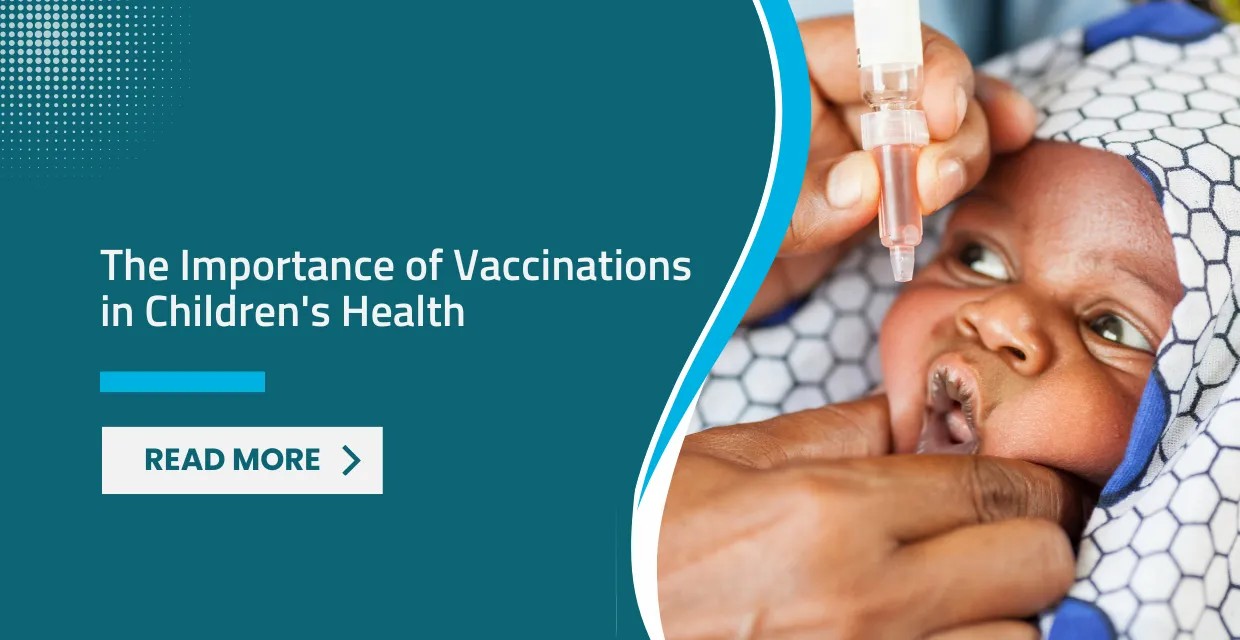
The Importance of Vaccinations: Protecting Kenya's Most Precious Resource
As parents, we spend our lives building "shields" for our children. We hold their hands across busy Nairobi streets, we check their schoolwork, and we ensure they have safe places to play. But some of the most dangerous threats to our children aren't visible—they are microscopic.
Vaccinations are arguably the greatest victory in the history of human medicine. Before the widespread use of vaccines, it was common for families in Kenya to lose children to diseases like Polio, Measles, or Tetanus. Today, these diseases are rare or even eradicated in many parts of the world. But "rare" does not mean "gone." At LifeCare Hospitals, we see immunization as the ultimate act of love and responsibility. in this blog, we discussed why vaccines are vital and clarify the recommended schedule for your child.
1. The Power of "Herd Immunity"
Vaccination is a community act. In every neighborhood, there are
individuals who *cannot* be vaccinated—babies who are too young, or
children with certain immune system cancers.
When 95% of a community is vaccinated, the virus has nowhere to go. It
"dies out" because it can't find a host. By vaccinating your child, you
aren't just protecting them; you are protecting the most vulnerable
children in your community.
2. Understanding the KEPI Schedule in Kenya
The Kenya Expanded Programme on Immunization (KEPI) is designed to provide maximum protection during the most vulnerable years.
- At Birth: BCG (Tuberculosis) and Polio (OPV 0).
- 6, 10, and 14 Weeks: Pentavalent (Diphtheria, Pertussis, Tetanus, Hep B, Hib), Rotavirus, and PCV (Pneumonia).
- 6 Months: Vitamin A and specialized Vitamin A supplementation.
- 9 Months: Measles and Rubella (MR) and Yellow Fever.
- 18 Months: Second dose of Measles-Rubella.
3. Beyond the Basics: Recommended "Private" Vaccines
At LifeCare Hospitals, our pediatricians often recommend "booster" or specialized vaccines that provide extra layers of protection:
- The Flu Shot: Recommended annually for school-going children to reduce miss days and prevent complications.
- Meningitis Vaccines: Critical for children entering boarding schools or crowded environments.
- HPV (Human Papillomavirus): Crucial for young girls (and boys) to prevent cervical and other cancers later in life.
- Chickenpox (Varicella): To avoid the discomfort and potential scarring of childhood chickenpox.
4. Common Misconceptions vs. The Medical Truth
Fear and misinformation often cause parents to hesitate. Let's address the facts:
- Side Effects: A mild fever or a sore arm for 24 hours is normal. It is a sign that the body is "working out" and becoming stronger. It is a tiny price to pay for protection against life-threatening illness.
- "Too Many Too Soon": A child’s immune system handles thousands of germs every day just by playing in the dirt. The antigens in vaccines are a tiny "drop in the bucket" for their capable immune system.
- The Autism Myth: We must repeat this: **Vaccines do not cause autism.** Over 20 years of global research has definitively proven there is no link.
5. What Happens if You Miss a Dose?
Life happens. If you miss a scheduled vaccination date, don't panic and
**don't start over.** At LifeCare, we use "Catch-Up Schedules."
Simply bring your child's immunization card (*Clinics Card*) to our
pediatric department. We will determine exactly what is needed to get
them back on track as quickly as possible.
6. The LifeCare Immunization Experience
We know that a "needle" can be scary for both parents and kids. Our pediatric clinics at LifeCare Hospitals are designed to be "Fear-Free."
- Pain Management: Our nurses are trained in techniques to minimize discomfort.
- High-Quality Storage: Vaccines are sensitive. We have a strictly monitored "Cold Chain" system to ensure every dose is 100% effective when it reaches your child.
- Long-Term Records: We help you maintain a permanent digital record of your child's immunizations.
Conclusion: A Gift for Their Future
A vaccinated child is a child who is free to explore the world without fear of preventable tragedy. By choosing to vaccinate, you are giving your child the strongest possible start in life.
LifeCare Hospitals Kenya is a champion for children's health. Our pediatricians are world-class experts who are dedicated to the wellness of the next generation of Kenyans. Whether you have a newborn needing their first shots or a school-goer needing a booster, we are here to provide safe, professional, and compassionate care. Let’s work together to keep Kenya's children healthy, vibrant, and strong. Your child's brilliance begins with a healthy body. Visit us today to check your child's immunization status.
Frequently Asked Questions (FAQs)
Can a child get vaccinated if they have a mild cold?
**Yes.** A mild runny nose or slight cough is usually not a reason to delay vaccination. However, if your child has a high fever (above 38.5°C) or a severe illness, our pediatrician may recommend waiting a few days.
How can I help my child during the injection?
Remain calm—children take their emotional cues from you. For babies, breastfeeding or a pacifier during the shot can help. For older children, bring their favorite toy and avoid using the vaccine as a "threat" ("If you're bad, the doctor will give you an injection").
Do "natural" ways of boosting immunity work better than vaccines?
**No.** While good food and sleep are important, they cannot provide "specific" protection against complex viruses like Polio or Measles. Vaccines are the only way to build a targeted defense against these specific killers.
Is the HPV vaccine safe for 9-year-olds?
**Yes.** In fact, the immune response is much stronger in children aged 9-14 than in older teenagers. Getting the HPV vaccine early provides the best possible protection against cancers later in life.