
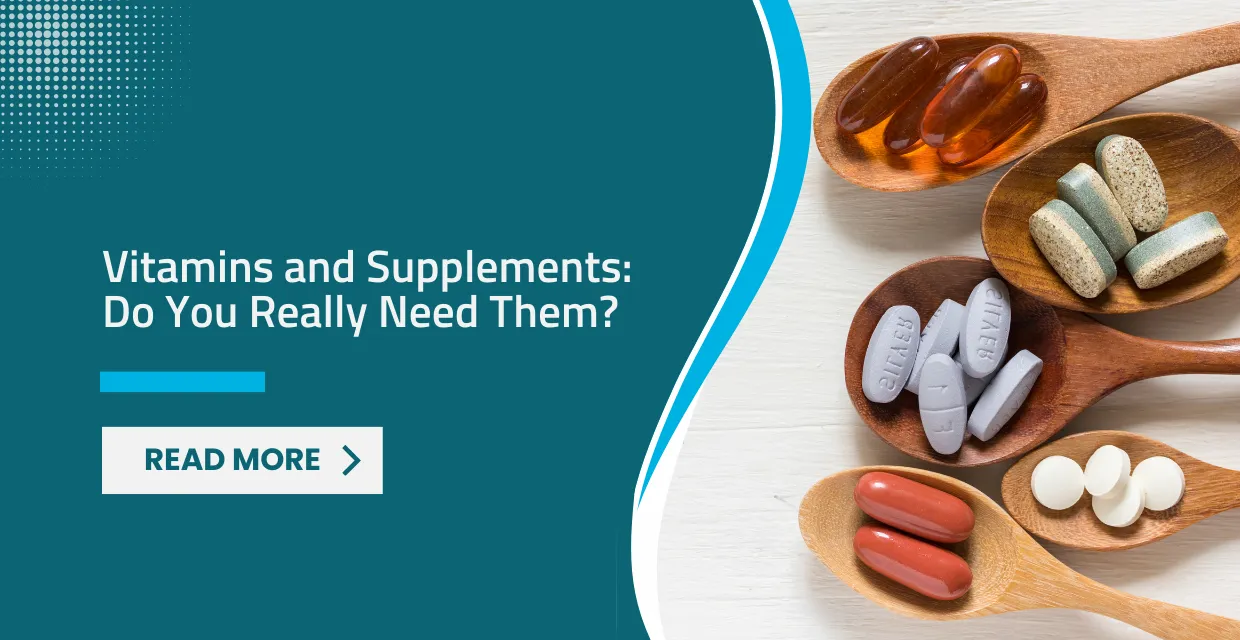
Vitamins and Supplements: Essential Health Support or Expensive Habit?
Step into any supermarket or chemist in Kenya today, and you are greeted by walls of colorful bottles promising more energy, better skin, and a bulletproof immune system. The global supplement industry is worth billions, and many Kenyans have incorporated a daily multivitamin into their routine as a form of "health insurance."
But here is a medical truth that might surprise you: For a healthy person eating a balanced diet, most of these supplements are completely unnecessary. In fact, "too much of a good thing" can be toxic. At LifeCare Hospitals, we believe in **Precision Nutrition**. We want you to spend your money on things that actually improve your health, not just produce "expensive urine." in this blog, we discuss the clinical reality of vitamins and when you *actually* need to reach for the bottle.
1. Why Food is Always First
When you eat a piece of fruit, you aren't just getting one vitamin. You are getting a complex matrix of fiber, antioxidants, and "co-factors" that help your body use that vitamin effectively.
- Bioavailability: This is how much of a nutrient your body actually absorbs. Synthetic vitamins in pills often have much lower bioavailability than those found in traditional Kenyan foods like *Managu*, *Kunde*, or eggs.
- Synergy: Nutrients work together. Vitamin C helps you absorb Iron. Calcium needs Vitamin D. These combinations happen naturally in balanced meals.
2. The "Essential" List: When You DO Need Supplements
There are specific medical scenarios where supplementation is not just helpful—it is essential.
- Pregnancy (Folic Acid & Iron): Essential to prevent birth defects and maternal anemia. Every pregnant woman in Kenya should be on a medical-grade prenatal supplement.
- Vitamin D Deficiency: Surprisingly common, even in sunny Kenya! If you spend all day in an office or have very dark skin, your body may not produce enough Vitamin D, which is vital for bones and mood.
- B12 for Vegans/Vegetarians: Vitamin B12 is only found naturally in animal products. If you don't eat meat or dairy, you *must* supplement B12 to protect your nervous system.
- Iron for Anemia: Many women in Kenya struggle with low iron due to heavy menstrual cycles. In this case, a high-quality iron supplement can be life-changing for energy levels.
3. The Danger of "Mega-Dosing"
Some people believe that if a little is good, a lot must be better. This is dangerous.
- Fat-Soluble Vitamins (A, D, E, K): Your body stores these in your liver. If you take too much, they can build up to toxic levels, causing liver damage or bone issues.
- Vitamin C and Kidneys: While Vitamin C is water-soluble (you pee out the excess), extreme mega-doses can increase the risk of developing painful **Kidney Stones**.
4. Decoding the "Immunity" Marketing
During the flu season, sales of Vitamin C and Zinc "boosters" skyrocket.
The truth: If you are already getting enough of these from your diet,
taking an extra 1000% of the daily value does not make your immune
system "stronger." It's like pouring more petrol into a tank that is
already full. The best way to support your immunity is consistent sleep,
managed stress, and a diet rich in colorful vegetables.
5. Supplement Quality: Not All Pills Are Equal
The supplement industry is not regulated as strictly as the medicine industry. Some cheap supplements found on the market:
- Contain "fillers" that don't help you.
- Don't actually contain the amount of active ingredient listed on the label.
- May interact dangerously with other medications you are taking (like blood thinners or heart medicine).
6. The LifeCare Pathway: Test, Don't Guess
At LifeCare Hospitals, we take the guesswork out of nutrition. Before we
recommend a supplement, we perform **Micronutrient Testing**.
By taking a simple blood sample, we can tell you exactly which vitamins
you are low in. This allows our clinical nutritionists to prescribe a
"Targeted Protocol"—giving you only what you need, in the right dose,
for the right amount of time.
Conclusion: Invest in Your Plate, Not Just Your Pillbox
Before you spend another shilling on a "miracle" multivitamin, look at your plate. If your diet is varied and colorful, you are likely already a nutritional superhero.
LifeCare Hospitals Kenya is your home for **Evidence-Based Wellness**. Our nutritionists and physicians work together to ensure your body has everything it needs to thrive. Don't fall for the marketing; follow the science. If you feel constantly tired or have specific health goals, visit us for a nutritional assessment. Let’s make sure your "health insurance" is actually working for you. Your brilliance is fueled by real food. We are here to help you get it right.
Frequently Asked Questions (FAQs)
Can I take vitamins on an empty stomach?
It depends. Multivitamins often cause nausea if taken without food. Also, fat-soluble vitamins (A, D, E, K) need a little bit of fat (like a meal with avocado or oil) to be absorbed correctly. Iron, however, is often absorbed best on an empty stomach with a glass of orange juice.
Does my child need a gummy vitamin?
Most children don't need them if they eat a variety of foods. Also, gummy vitamins are often high in sugar and can cause tooth decay. Treat them as a last resort for extremely fussy eaters, and only after consulting a pediatrician.
Can supplements expire?
**Yes.** While they usually don't become "toxic" immediately after the date, they lose their potency (strength). A vitamin that is two years old may have zero nutritional value left in it. Always check the "Best Before" date.
Should I take my vitamins in the morning or evening?
B-vitamins can be quite stimulating, so they are best taken in the morning to avoid affecting your sleep. Magnesium can be relaxing, so many people find taking it in the evening helps with sleep and muscle recovery.