
Endometriosis-Diagnosis And Treatment Options
Endometriosis is a common medical condition that affects many women. It can cause pain and other symptoms that can be difficult to manage. At LifeCare Hospitals, Kenya's leading chain of multi-speciality hospitals, we understand the importance of providing comprehensive care for women with endometriosis.
Understanding Endometriosis
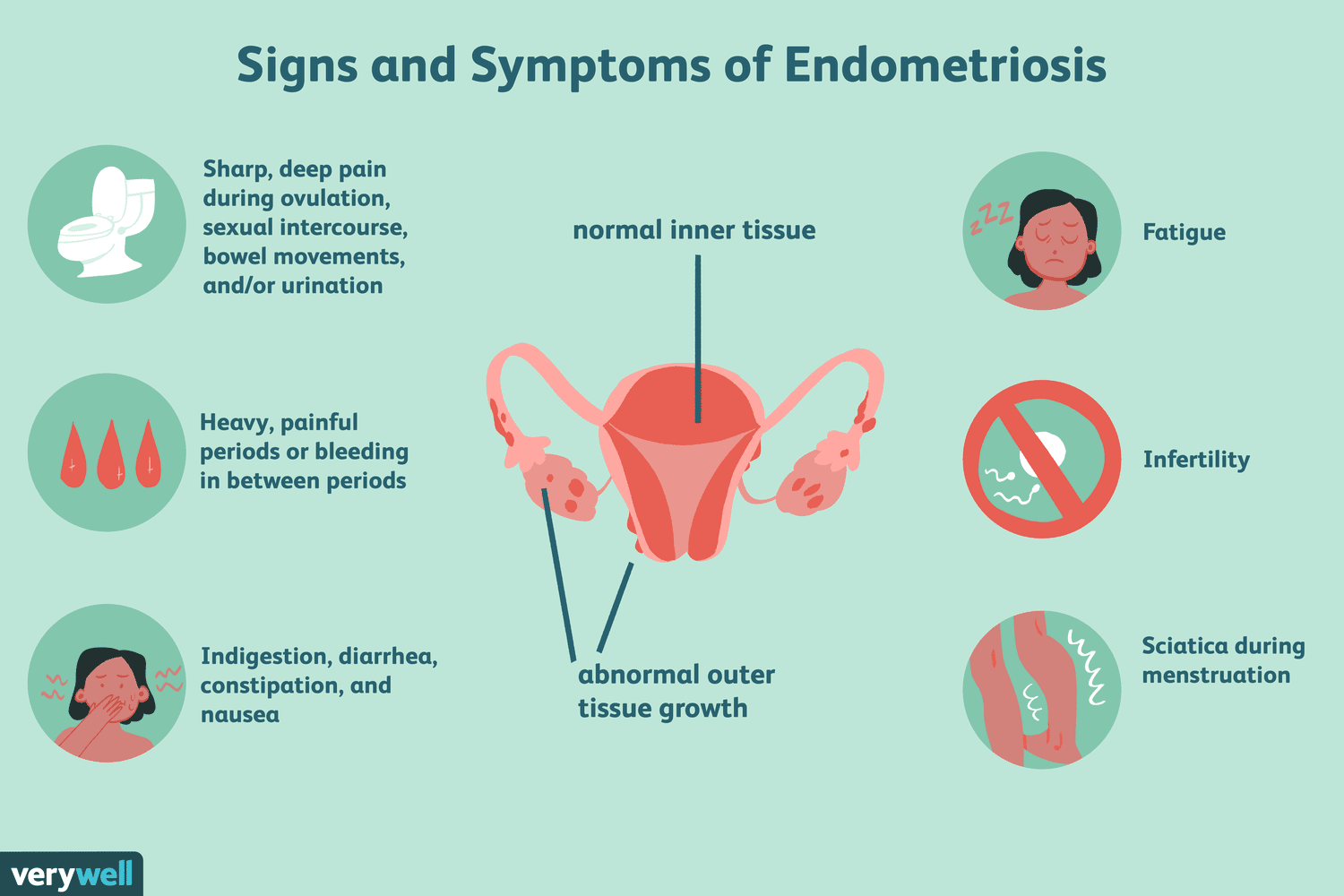
Endometriosis is a condition that affects the female reproductive system. It is characterized by the presence of endometrial tissue outside of the uterus. This tissue can cause pain and other symptoms, which can dramatically affect a woman's quality of life. Different women experience endometriosis in different ways, but there are several common symptoms that are experienced by almost all patients.
If you're experiencing pain or other symptoms related to endometriosis, it's important to get diagnosed as soon as possible. There are several different ways to diagnose this condition, and each has its own advantages and disadvantages. Once you know for certain that you have endometriosis, your treatment options will be much more limited, but there are many treatments available that can help relieve your symptoms.
The best way to manage pain caused by endometriosis is to treat the underlying causes of that pain. This means addressing any issues such as heavy menstrual bleeding, Pelvic Inflammatory Disease (PID), or infertility. There are many treatments available for these issues – from medication to surgery – so it's important to find a provider who will provide you with the best care possible. If you find yourself struggling with chronic pain due to endometriosis, it may be helpful to speak with a provider about alternative therapies or treatments that might work better for you than traditional medications.
Finally, it's important to keep up-to-date on developments related to endometriosis research so that you can stay informed about new treatment options and developments in the field. There are numerous resources available online including support groups and educational materials about this condition. By taking these steps, you can help ensure that you get the most comprehensive care possible for your condition.
Diagnosis Of Endometriosis At LifeCare Hospitals
Endometriosis is a common, chronic condition that can cause debilitating symptoms. If left untreated, endometriosis can lead to infertility, pain during menstruation, and even death. Fortunately, early diagnosis and treatment are possible at LifeCare Hospitals.
Common symptoms of endometriosis include pelvic pain, infertility, heavy periods, and difficulty urinating. To diagnose endometriosis accurately and effectively, your doctor will perform a variety of tests to assess your health. These may include: a pelvic exam to determine the extent of the disease, ultrasound imaging to identify any lesions or cysts in the pelvis or ovaries, blood tests to check for inflammation and hormonal imbalances, and faecal occult blood testing (FOBT) to rule out other causes of abnormal bleeding.
If you are diagnosed with endometriosis, treatments are available that can help you manage your symptoms. These treatments may include medication to reduce inflammation and pain sensations; surgery to remove lesions or cysts; hormone therapy; physical therapy; fertility treatments such as in-vitro fertilization (IVF) or intracytoplasmic sperm injection (ICSI); alternative therapies such as acupuncture or massage; wellness interventions such as stress reduction techniques or exercise; patient education resources; supportive care plans customized for each individual patient; and ongoing counselling from specialists in endometriosis care.
At LifeCare Hospitals, we understand the importance of lifestyle changes and wellness interventions when managing chronic conditions such as endometriosis. That's why we offer a range of supportive care plans designed specifically for our patients with this condition.
Understanding The Symptoms And Treatments Of Endometriosis
Endometriosis is a condition that affects the female reproductive system. It's known as the curse of the twenty-first century because it's one of the most common gynaecological conditions and it can cause a great deal of pain and suffering. Here, we are going to take a closer look at what endometriosis is, how to diagnose it, and what are some of the available treatment options.
First off, let's define endometriosis. Endometriosis is basically when tissue that normally lines the inside of the uterus (the endometrium) grows outside of the uterus in other areas of the body. This can include the bowel, bladder, ovaries, or even other parts of the female genital tract (the fallopian tubes and vagina). The tissue may also grow on organs outside of the body (such as on a kidney), but these are less common.
Endometriosis can cause a wide range of symptoms that vary from person to person. However, some common symptoms include pelvic pain during menstruation, irregular bleeding between periods, infertility, chronic pain throughout your body (especially during intercourse), psychological distress, and fatigue. In order to determine if you have endometriosis, your doctor will typically perform an abdominal ultrasound or an MRI scan to check for signs such as nodules or masses within your pelvis area. If you're diagnosed with endometriosis, your doctor will then recommend specific tests and treatments to help manage your symptoms.
There are several treatment options available for people with endometriosis – from surgery to alternative treatments such as radiation therapy or hormonal therapy. Surgery may be necessary if there are large deposits of tissue that need to be removed from your body or if there is significant damage done to surrounding organs due to excessive growth or bleeding episodes associated with endometriosis. Alternative treatments may be more suitable for people who don't want surgery or who have minor cases of endometriosis that don't require extensive treatment measures. Some common alternative treatments include heat therapy; oral contraceptives; danazol; metformin; acupuncture; hypnosis; and vitamins B6 and E.
Most people find relief from their symptoms by managing them effectively with medication and lifestyle changes such as exercise & diet adjustments. Coping skills also play an important role in managing this condition – whether you're dealing with individual symptoms or feeling overwhelmed by all this news about Endo!! Friends & family members can support you through this difficult time by being.
Treatment Options For Endometriosis At LifeCare Hospitals
Endometriosis is a condition that affects the ovaries and uterus, and it can cause pain and infertility. At LifeCare Hospitals, we understand the significance of this condition and are dedicated to providing our patients with the best possible care. In this blog, we will outline some of the signs and symptoms of endometriosis as well as the different types of treatments available. We will also discuss the importance of early diagnosis and how lifestyle changes can help to manage endometriosis. Finally, we will provide an overview of medical therapy as a treatment option as well as explain why patients should choose LifeCare hospitals for their endometriosis care.
Signs and Symptoms:
-
Endometriosis causes pain in the reproductive tract, including the abdomen, back, and pelvis.
-
Heavy periods, cramps lasting for several days, fatigue, bloating, and constipation are common symptoms.
-
Other signs include pelvic pain when moving or standing up, irregular menstrual cycles, pain during sex, infertility, and thick discharge from the vagina or rectum.
Different Types of Treatments Available:
There are many different treatments available for endometriosis – from lifestyle changes to surgical procedures. Some common treatments include medication therapy (such as birth control pills), surgery (minimally invasive surgery such as laparoscopic surgery), radiation therapy, hormonal therapy, physical therapy, acupuncture, hot packs, herbs, homoeopathy, meditation/visualization techniques, dietary modifications (such as avoiding sugar), supplements (such as omega-3 fatty acids), complementary therapies (such as reflexology), self-care activities (such as exercise) and naturopathy. While each individual's situation is unique, seeking out multiple treatment options is often best in order to find one that works best for you.
The Importance of Early Detection:
If left untreated, endometriosis can lead to serious health complications, including infertility. It is important to seek out early detection so that you can receive the appropriate treatment before it is too late. At LifeCare Hospitals – where our team includes experts in both reproductive health and endocrinology – we make it our mission to provide our patients with reliable information about all available treatment options.
Lifestyle Changes That Can Help Manage Endometriosis:
There are many lifestyle changes that can help manage endometriosis. These include reducing stress, getting regular exercise, eating a balanced diet, and avoiding alcohol and caffeine. Additionally, it is important to get enough sleep and practice relaxation techniques such as yoga and meditation.
To Summarize
Endometriosis is a common yet serious condition that affects the reproductive system of women. It can cause pain, infertility, and other symptoms that can have a major impact on quality of life. At LifeCare Hospitals, we provide comprehensive diagnosis and treatment services for endometriosis, which may include medications to reduce inflammation and pain sensations, surgery to remove lesions or cysts, hormone therapy, physical therapy, fertility treatments such as in-vitro fertilization (IVF) or intracytoplasmic sperm injection (ICSI), alternative therapies such as acupuncture or massage, wellness interventions such as stress reduction techniques or exercise, patient education resources, supportive care plans customized for each individual patient, and ongoing counselling from specialists in endometriosis care. If you are experiencing any signs and symptoms associated with endometriosis, contact LifeCare Hospitals today for an evaluation – our team of specialists is here to help you get the best possible care!