
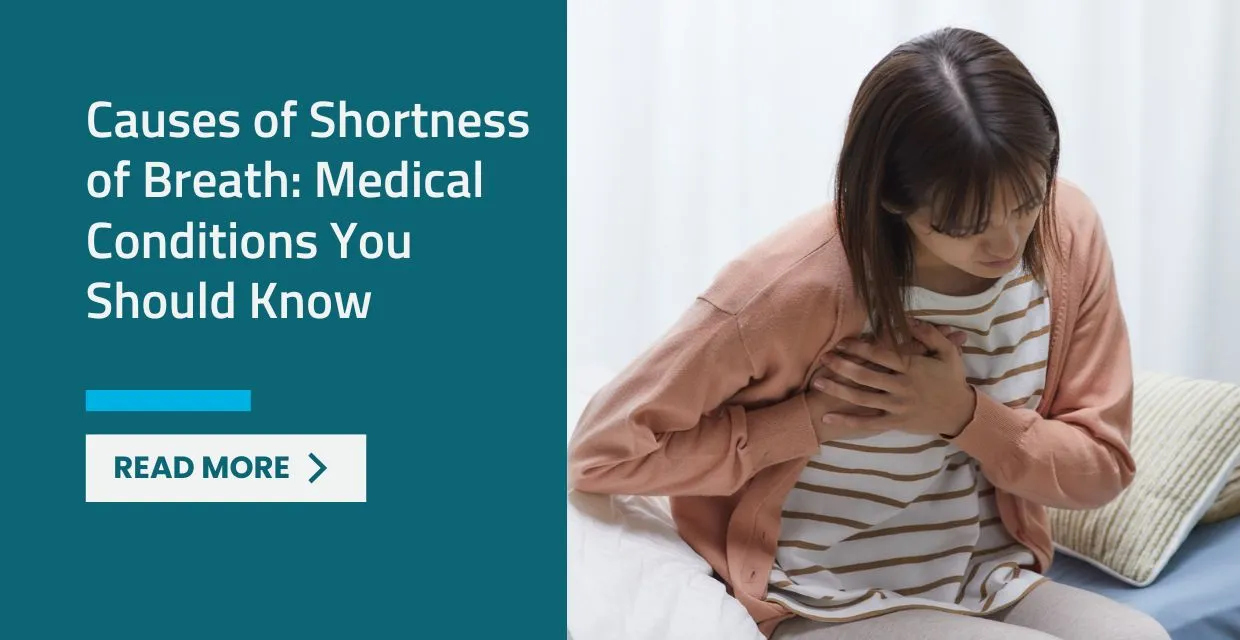
Causes of Shortness of Breath: Medical Conditions You Should Know
Shortness of breath, medically known as dyspnea, is an uncomfortable condition that makes it difficult to get air into your lungs. It can happen suddenly or develop over time. At LifeCare Hospitals, we see many patients experiencing this symptom, and we know how alarming it can be. Understanding the underlying causes is essential for effective treatment.
Breathlessness is often a sign that your body isn't getting enough oxygen or that your heart or lungs are working too hard. While it can be caused by simple things like intense exercise or high altitudes, it can also indicate serious medical conditions.
Respiratory Causes: When Your Lungs Struggle
The lungs are the primary organs responsible for breathing. Anything that interferes with their function can lead to shortness of breath.
- Asthma: A condition where your airways narrow and swell and may produce extra mucus. This can make breathing difficult and trigger coughing, a whistling sound (wheezing) when you breathe out, and shortness of breath.
- COPD (Chronic Obstructive Pulmonary Disease): A chronic inflammatory lung disease that causes obstructed airflow from the lungs. Symptoms include breathing difficulty, cough, mucus production, and wheezing. (See our COPD Management Guide)
- Pneumonia: An infection that inflames the air sacs in one or both lungs, which may fill with fluid or pus.
- Pulmonary Embolism: A blood clot in the lung that can be life-threatening and causes sudden shortness of breath.
Cardiovascular Causes: When Your Heart is the Issue
The heart and lungs work closely together. If the heart cannot pump blood efficiently, it can cause fluid to back up in the lungs, leading to dyspnea.
- Heart Attack: Shortness of breath can be a symptom of an ongoing heart attack. If accompanied by chest pain, seek emergency help immediately.
- Heart Failure: When the heart muscle doesn't pump blood as well as it should.
- Arrhythmia: Abnormal heart rhythms can interfere with efficient blood flow. (Check our Heart Health Tips)
Other Contributing Factors
Besides heart and lung issues, other factors can play a role:
- Anemia: A lack of healthy red blood cells to carry oxygen to your body's tissues.
- Anxiety and Panic Attacks: Intense fear can lead to hyperventilation and a feeling of breathlessness.
- Obesity: Excess weight can put pressure on the lungs and diaphragm.
When to See a Doctor at LifeCare Hospitals
If you experience sudden, severe shortness of breath that interferes with your ability to function, you should seek immediate medical attention. At LifeCare Hospitals Kenya, we are equipped with the latest diagnostic tools, including CT scans and pulmonary function tests, to identify the root cause quickly and accurately.
Evaluation May Include:
- Chest X-rays or CT scans.
- Electrocardiogram (ECG) to check heart function.
- Blood tests to check for anemia or infection.
- Pulse oximetry to measure oxygen levels in your blood.
Conclusion: Don't Ignore the Signs
Your breath is your life. While it's easy to dismiss mild breathlessness as "getting older" or being "out of shape," it's often a signal from your body that something needs attention. Early diagnosis can lead to better outcomes and a significantly improved quality of life.
Frequently Asked Questions (FAQs)
Can allergies cause shortness of breath?
Yes, allergies can trigger asthma symptoms or cause inflammation in the airways, leading to difficulty breathing.
Is shortness of breath normal during pregnancy?
Mild shortness of breath is common during later stages of pregnancy as the growing uterus pushes against the diaphragm, but any severe or sudden symptoms should be reported to your doctor.