
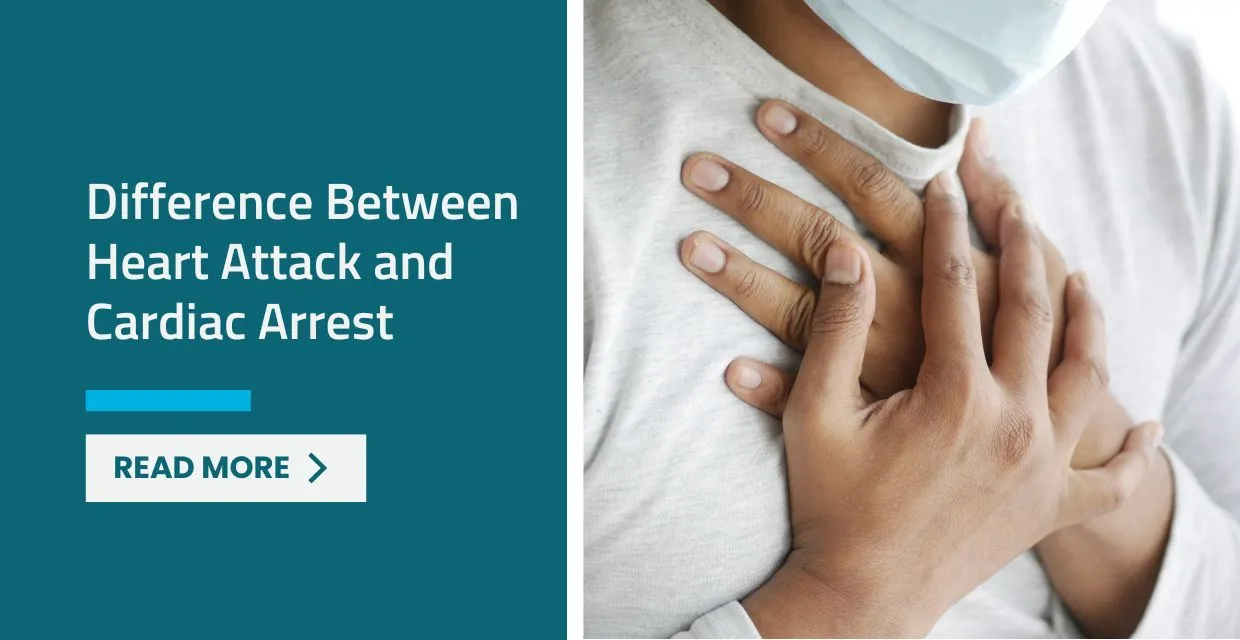
Picture two scenes. In one, someone clutches their chest, looks pale and scared, but can still talk. In the other, a person suddenly falls to the ground, silent, not moving. Both situations are frightening, yet they are very different emergencies. Knowing the difference between heart attack and cardiac arrest can guide what happens in the next few seconds and minutes.
Many people use the terms interchangeably and say someone “had a heart attack” even when it was a sudden collapse from cardiac arrest. This confusion is common, even among families who have seen heart disease up close. The risk is that the wrong action, or a delay, can cost precious time when the heart and brain need help.
A heart attack, or myocardial infarction (MI), is mainly a blood flow problem. Cardiac arrest is mainly an electrical problem where the heart stops pumping. Both are emergencies, but they do not look the same, and first aid is not the same. Understanding this difference between MI and cardiac arrest can help anyone act faster and more confidently.
LifeCare Hospitals cares for many patients with chest pain, heart attacks, and sudden cardiac arrest across its centres in Kenya. With 24/7 Advanced Life Support ambulances, expert emergency teams, and strong cardiac services, the aim is simple – rapid help when every second matters.
In this guide, the focus is clear and practical. The article explains what a heart attack is, what a cardiac arrest is, why they happen, how they differ, what to do in each case, and how to lower risk. By the end, readers will be able to recognise key signs, call for help without delay, and know how LifeCare Hospitals supports patients and families through these serious events.
Key Takeaways
Heart attack (myocardial infarction): A circulation problem where a blocked artery reduces blood flow to the heart muscle. The heart usually keeps beating and the person often stays awake. Quick medical care limits permanent heart damage and lowers the chance of later cardiac arrest.
Cardiac arrest: An electrical problem where the heart suddenly stops pumping effectively. The person collapses, loses consciousness, has no pulse and stops normal breathing. Without fast CPR and a shock from a defibrillator, death can occur within minutes.
Linked but not the same: A heart attack can trigger cardiac arrest, yet the two conditions are not identical. Knowing the difference between heart attack and cardiac arrest helps bystanders choose the right response instead of guessing or waiting.
Early recognition saves hearts: Spotting heart attack symptoms such as chest pressure, pain spreading to the arm or jaw, and breathlessness allows faster treatment. Fast response improves survival and protects long‑term heart function.
Support from LifeCare Hospitals: LifeCare Hospitals offers round‑the‑clock ambulance cover, advanced emergency care, cardiac diagnosis and long‑term heart support across its hospitals in Kenya. Families can rely on trained teams from the first phone call to rehabilitation and prevention programmes.
Understanding A Heart Attack (Myocardial Infarction)

A heart attack, also called a myocardial infarction or MI, happens when blood flow to a part of the heart muscle suddenly falls or stops. This is a circulation emergency. One or more coronary arteries, which feed the heart itself, become blocked by a clot. Without enough oxygen, that part of the heart starts to die.
Most heart attacks start with underlying coronary artery disease. Over many years, fatty deposits and cholesterol form plaque in the artery wall. The inside of the artery becomes narrow and less flexible. One day, a small area of plaque may crack. The body then forms a clot on this damaged spot, and the clot can block blood flow to the heart muscle.
During a heart attack, the heart usually continues to beat. The person may talk, answer questions, and describe strong chest pain or pressure. This is very different from cardiac arrest, where the heart stops pumping and the person collapses and becomes unresponsive. This simple contrast between cardiac arrest vs myocardial infarction is at the centre of the difference between heart attack and cardiac arrest.
The longer the artery stays blocked, the more heart muscle is lost. Fast treatment with medicines and procedures to open the artery can limit damage. At LifeCare Hospitals, emergency teams use ECG tests, blood tests and bedside assessment to diagnose a heart attack quickly. Once confirmed, patients can receive clot‑busting drugs, angioplasty or other care based on current heart guidelines.
Cardiologists often repeat the phrase “time is muscle” to remind patients that every minute of delay during a heart attack can mean more heart tissue lost.
Causes And Risk Factors Of Heart Attack
A heart attack rarely appears out of nowhere. It usually follows years of silent changes in the arteries and common health habits that strain the heart.
Key risk factors include:
High blood pressure: Constant extra force on artery walls makes them stiff and more likely to develop plaque. Treating blood pressure early lowers the chance of coronary artery disease and later MI.
High cholesterol: Especially raised LDL levels add to plaque build‑up in the coronary arteries. When cholesterol stays high for many years, arteries narrow and blood finds it harder to reach the heart. Healthy food choices and medicines can bring these levels down.
Diabetes: Long‑term high sugar levels damage blood vessels. People with poorly controlled diabetes have a much higher risk of a heart attack. Regular sugar checks, healthy food choices and proper use of medicines protect both heart and kidneys.
Tobacco use: Tobacco in any form harms the heart and blood vessels. Every cigarette tightens blood vessels, raises blood pressure and speeds plaque growth. Stopping tobacco use quickly begins to lower the risk of both heart attack and sudden cardiac arrest.
Lifestyle factors: Extra body weight, fatty fast food, very little exercise, heavy alcohol intake and long‑term stress all add to risk. Each factor puts extra strain on the heart, and when several are present together, the chance of an MI rises sharply.
Some factors cannot be changed. A strong family history of early heart disease, increasing age, and male gender before menopause for women give higher background risk. LifeCare Hospitals runs Preventive Cardiology Programmes that check these factors, assess combined risk, and guide patients on lifestyle changes and medicine plans to protect their hearts.
Symptoms And Warning Signs Of A Heart Attack

Heart attack symptoms may start suddenly or build up slowly over hours, days or even weeks. Some people recall mild chest pressure on and off before a bigger event. Recognising early signs and seeking help fast can save heart muscle and reduce later heart failure.
Common heart attack symptoms include:
Chest discomfort: Pressure, tightness, squeezing or a heavy weight in the centre or left side of the chest. This feeling may:
Last more than a few minutes
Fade and return
Appear with activity or stress
Pain spreading beyond the chest: Discomfort can move to:
One or both arms (often the left)
Back
Neck
Jaw or teeth
Upper stomach
Breathlessness: Feeling unable to catch the breath, even while sitting still.
Other warning signs: Cold sweat, nausea, vomiting, an indigestion‑like feeling, light‑headedness or a sense of near fainting.
Not everyone has textbook heart attack symptoms. Women, older adults and people with diabetes may feel extreme tiredness, vague discomfort, or anxiety rather than sharp chest pain. Importantly, during a heart attack the person remains conscious and able to speak. If such signs last more than a few minutes, it is safer to call for emergency help and reach a hospital such as LifeCare Hospitals without delay.
Understanding Cardiac Arrest

Cardiac arrest is a sudden stop of effective heart function. It happens when the heart’s electrical system fails and the heart goes into a fast, chaotic rhythm or stops beating. Blood flow to the brain and other organs then stops almost at once.
This condition is an electrical emergency. In contrast with MI, where blood flow is blocked but the heart usually still beats, in cardiac arrest the heart muscle cannot pump blood. The person collapses, becomes unresponsive, has no pulse and is not breathing normally. Without fast action, brain damage starts within minutes.
The most common rhythms behind cardiac arrest are ventricular fibrillation (VF) and ventricular tachycardia (VT). In ventricular fibrillation, the lower chambers of the heart quiver in an uncoordinated way, so they do not pump blood forward. In ventricular tachycardia, the heart beats very fast and cannot fill properly between beats. Severe bradycardia, where the heart rate is extremely slow, can also lead to arrest.
This condition can strike someone with known heart disease or someone who seemed healthy. A heart attack is a major trigger, yet there are other causes as well. That is why the comparison of cardiac arrest vs MI is not just theory. It explains why someone can be talking during a heart attack but silent and still during cardiac arrest.
Cardiac arrest is a true emergency where every second has weight. Immediate CPR and fast use of a defibrillator can double or triple survival chances. LifeCare Hospitals operates Advanced Life Support ambulances with defibrillators, ventilators and trained staff, ready to respond and start resuscitation even before arrival at the hospital.
Guidelines from major heart associations highlight that with each passing minute without CPR and defibrillation, survival from sudden cardiac arrest falls sharply.
Causes And Risk Factors Of Cardiac Arrest
Many cases of cardiac arrest start with serious heart disease, yet other triggers and medical problems also play a part.
Life‑threatening arrhythmias: Ventricular fibrillation and fast ventricular tachycardia are the most direct causes. These abnormal rhythms disturb the normal sequence of heartbeats so badly that the heart can no longer pump blood to the body.
Coronary artery disease and previous heart attack: Scar tissue in heart muscle can interrupt normal electrical pathways, making dangerous rhythms more likely. This link explains why the difference between cardiac arrest and myocardial infarction matters for long‑term follow‑up.
Cardiomyopathy: When the heart muscle is thick or enlarged, the heart may struggle to beat in a steady way, especially during stress or exertion, and can slip into serious arrhythmias.
Inherited or structural heart problems: Birth defects of the heart, problems with heart valves, and inherited electrical disorders can all set the scene for sudden cardiac arrest in younger people. Regular checks in families with a history of sudden death are very important.
Other triggers: Very low or very high levels of potassium or magnesium, misuse of drugs such as cocaine or amphetamines, heavy alcohol binges, severe chest trauma, electric shock and near‑drowning can all provoke cardiac arrest. LifeCare Hospitals’ cardiac teams monitor arrhythmias, guide medicine use and counsel patients on avoiding such triggers where possible.
Symptoms And Warning Signs Of Cardiac Arrest
Unlike a heart attack, cardiac arrest often gives little or no warning. The change from normal talking to collapse may be almost instant.
Typical signs include:
Sudden fall to the ground and complete loss of consciousness
No response when spoken to or when the shoulder is shaken
No normal breathing, only occasional gasps or no breaths at all
No detectable pulse for trained helpers
No blinking, no speaking and no voluntary movement
Pale or blue skin colour
In a few cases, people report brief chest pain, breathlessness, pounding heartbeat or dizziness just before collapse, but these signs last only seconds. Once cardiac arrest begins, only fast CPR and defibrillation can restore circulation.
Key Differences Between Heart Attack And Cardiac Arrest
Because the terms are often mixed up, it helps to see cardiac arrest vs heart attack side by side. Both are serious heart emergencies, but they affect the body in very different ways and need different first responses.
A heart attack is mainly a circulation problem. A coronary artery is blocked, starving part of the heart muscle of oxygen, and that muscle begins to die. The heart usually keeps beating, and the person often stays awake and able to describe symptoms. Cardiac arrest is mainly an electrical problem. The heart rhythm becomes so abnormal that the heart stops pumping blood.
Breathing and pulse also differ:
During a heart attack, the person continues to breathe and has a pulse, although they may be short of breath and sweaty.
In cardiac arrest, the person is not breathing normally and has no pulse at all. They collapse without warning and do not respond.
Onset also varies. Heart attack symptoms can creep up over hours or days or start suddenly. In contrast, cardiac arrest comes without warning in many cases. Time without treatment also has different patterns:
Someone with a heart attack may survive for hours, especially with fast hospital care, though their heart muscle is at risk.
Someone in cardiac arrest can die within minutes unless CPR and defibrillation start quickly.
The table below sums up the main points of the difference between heart attack and cardiac arrest.
Feature | Heart Attack (Myocardial Infarction) | Cardiac Arrest |
|---|---|---|
Main problem | Blocked artery and poor blood flow | Electrical failure and loss of pumping |
Consciousness | Usually awake and able to talk | Unconscious and unresponsive |
Breathing | Present, though may be short or laboured | Absent or only gasps |
Pulse | Present | Absent |
First response | Call ambulance, consider aspirin if advised | Call ambulance, start CPR, use defibrillator |
A heart attack can lead to cardiac arrest if a dangerous rhythm starts on top of damaged muscle. Yet many heart attacks never progress this far, and many cardiac arrests happen without a clear heart attack. Recognising which emergency is happening guides what bystanders do in those first critical minutes.
Immediate Response And First Aid
The first few minutes during any heart emergency matter more than many people realise. Quick action by bystanders, even before an ambulance arrives, often means the difference between life and death. The response, however, depends on whether signs point to heart attack or to cardiac arrest.
For a heart attack, the aim is to keep the person calm, call for professional help and protect heart muscle until treatment starts.
For cardiac arrest, the aim is to take over the job of the heart and lungs through CPR and to restart the heart with a defibrillator as fast as possible.
Knowing the difference between heart attack and cardiac arrest helps people choose the right steps.
Responding To A Suspected Heart Attack
When someone describes classic heart attack symptoms such as chest pressure, pain spreading to the left arm or jaw, breathlessness, nausea or cold sweat, treat it as an emergency. Do not wait to see if the pain passes on its own, especially if the person has risk factors such as diabetes or previous heart disease.
Steps to take:
Call emergency services or the LifeCare Hospitals emergency line without delay. Explain that you suspect a heart attack and give clear directions so the ambulance can reach you fast. Avoid driving the person yourself, because their condition can worsen on the way.
Help the person rest: Sit or lie them in a comfortable half‑sitting position. Reassure them, keep movement to a minimum, and loosen tight clothing so that breathing feels easier. Staying calm can reduce the strain on their heart while you wait for help.
Aspirin (if advised): If the person is not allergic to aspirin and a doctor has not warned against it in the past, they may chew and swallow a standard adult tablet. Chewing helps the medicine act faster within the blood. Only give medicines that have been advised in general heart attack guidance or by a health worker on the phone.
Monitor closely: Stay with the person and watch their breathing, colour and response. Be ready to describe their symptoms and history to the LifeCare Hospitals team when they arrive. If the person suddenly stops responding or stops breathing, move at once to cardiac arrest first aid and begin CPR.
LifeCare Hospitals’ ambulances carry trained staff, oxygen, ECG machines and emergency heart medicines so that treatment begins even before hospital arrival.
Responding To A Cardiac Arrest
Cardiac arrest needs a very different response from a heart attack. In this case the heart has stopped pumping and the person’s life hangs on immediate CPR and use of a defibrillator if one is at hand.
Steps to take:
Check response and breathing: Tap the person’s shoulder, speak loudly, and look for normal breathing. If there is no response and no normal breaths, assume cardiac arrest and act fast.
Call for help: Call emergency services right away or shout for someone nearby to call while you start CPR. Tell the operator that the person is unconscious and not breathing normally. Ask if there is an automated external defibrillator (AED) in the area and send someone to bring it if possible.
Start chest compressions:
Place one hand flat on the lower half of the breastbone, place the other hand on top.
Press down firmly at a steady rate (about two compressions each second).
Allow the chest to come back up fully after each push.
Add rescue breaths if trained: If you have been trained in full CPR, add rescue breaths after every thirty compressions. Tilt the head back, lift the chin and give two breaths that make the chest rise. Continue this cycle without long breaks until help arrives or the person starts to move and breathe.
Use an AED as soon as it arrives: Switch it on and follow the spoken instructions. Attach the pads to the bare chest where the pictures show and stand clear when the device analyses the rhythm. If a shock is advised, make sure nobody is touching the person, then press the button when told.
Fast bystander CPR for cardiac arrest and early use of an AED give the best chance of survival. LifeCare Hospitals’ emergency teams take over with advanced resuscitation as soon as they reach the scene.
Medical Diagnosis And Treatment
Once emergency staff reach the patient and bring them to hospital, diagnosis and professional treatment move into action. At this stage, the focus is on confirming whether the event is a heart attack, cardiac arrest, heart failure, or another condition, and then choosing the best treatment plan.
LifeCare Hospitals’ Accident and Emergency departments work with cardiologists, intensive care doctors and nurses to provide rapid, coordinated care. Modern diagnostic tools and skilled teams guide decisions in the first hours, which are often the most important.
Diagnosing And Treating A Heart Attack
For a suspected heart attack, the first goal is to confirm the diagnosis and see how much of the heart is affected.
Common tests include:
ECG (electrocardiogram): Records the electrical activity of the heart through small stickers on the chest, arms and legs. Certain patterns on the ECG point to a full‑thickness STEMI type heart attack, while others suggest an NSTEMI.
Blood tests: Measure markers such as troponin that rise when heart muscle cells die.
Echocardiogram: Uses sound waves to show how well each part of the heart is squeezing.
Coronary angiography: In some cases, a thin tube is passed through an artery and dye is used to show any blockages on X‑ray.
Treatment for myocardial infarction aims to restore blood flow fast. Depending on the type of heart attack and timing, this may include:
Clot‑busting drugs
Tablets to stop platelets sticking
Blood thinners
Beta blockers
ACE inhibitors
Statins
Angioplasty with balloon and stent to open the blocked artery
Bypass surgery in selected cases
LifeCare Hospitals combines emergency medicine, interventional cardiology and cardiac surgery where needed to provide comprehensive care for heart attack patients. After the acute phase, cardiac rehabilitation and long‑term follow‑up help prevent further events.
Treating Cardiac Arrest
Treatment of cardiac arrest has two phases. The first is resuscitation, which aims to restart the heart and restore blood flow to the brain and organs. The second is post‑resuscitation care, which supports recovery and reduces the chance of another arrest.
During resuscitation, hospital teams:
Continue high‑quality CPR
Give oxygen through a mask or tube
Deliver shocks with a defibrillator when the rhythm allows
Use medicines such as adrenaline and anti‑arrhythmics to support the heart’s return to a stable rhythm
Provide airway support and ventilation to maintain oxygen levels
Once a heartbeat and circulation return, patients are moved to an intensive care unit (ICU). There, doctors may lower body temperature for a time to protect the brain, a method called targeted temperature management. Ventilators, monitors and careful control of blood pressure, sugar and electrolytes support recovery.
In severe cases, extracorporeal membrane oxygenation (ECMO) can temporarily take over the work of the heart and lungs. LifeCare Hospitals’ critical care and cardiology teams work together to investigate the cause, whether myocardial infarction, cardiomyopathy, heart failure vs cardiac arrest, or another problem, and to lower the risk of a second event.
Prevention Strategies For Heart Health

While not all heart attacks and cardiac arrests can be avoided, many risk factors are within human control. Small daily choices about food, movement, stress, and follow‑up with doctors add up over years. For a family with a history of heart disease, this can mean fewer emergencies and better quality of life.
Prevention is not about perfection. It is about steady habits that ease strain on the heart and blood vessels. LifeCare Hospitals supports this approach with Preventive Cardiology clinics, nutrition services, and long‑term management for people living with diabetes, high blood pressure and other risks.
The World Health Organization notes that most heart disease can be prevented by addressing common factors such as unhealthy diet, physical inactivity and tobacco use.
Lifestyle Modifications For A Healthy Heart
Food, activity, weight, tobacco and alcohol use all have a direct effect on the heart. Changing these habits step by step can lower the risk of both heart attack and some kinds of sudden cardiac arrest.
Key lifestyle steps include:
Heart‑friendly eating pattern:
Focus on fruits, vegetables, whole grains, beans, nuts and healthy fats such as olive or mustard oil.
Choose fish and skinless poultry more often than processed meat.
Cut back on deep‑fried snacks, high‑sugar drinks and very salty foods to help control blood pressure and cholesterol.
Regular physical activity:
Aim for at least half an hour of moderate‑intensity movement such as brisk walking or cycling on most days of the week.
Add simple strength exercises twice a week to support muscles and bones.
Healthy weight: Reaching and keeping a healthy waist size and body mass index reduces the strain on the heart.
Stopping tobacco: For people who use tobacco, stopping brings fast benefits for the heart and lungs at any age.
Limiting alcohol: Keep intake moderate, with several alcohol‑free days each week.
Managing stress: Simple breathing practices, prayer, talking with loved ones, or time in nature can help calm the nervous system.
LifeCare Hospitals’ Nutrition and Dietetics teams provide personalised plans for patients with heart disease, diabetes or high blood pressure, taking into account local foods, culture and family routines.
Medical Management And Regular Monitoring
Lifestyle steps work best when combined with regular medical checks and proper management of long‑term conditions. Many people first learn about the difference between heart attack and cardiac arrest only after a scare. Careful follow‑up can reduce the chance of another event.
Important measures include:
Routine health check‑ups: Blood pressure, cholesterol, blood sugar and weight or waist measurement. High readings often cause no symptoms at first, so testing is the only way to find them early.
Taking prescribed medicines regularly:
People with high blood pressure may need daily tablets and home checks.
Those with high cholesterol can combine statins with better food choices to slow or reverse plaque build‑up.
For diabetes, good control of fasting sugar, post‑meal sugar and long‑term HbA1c lowers the risk of coronary artery disease and MI.
Considering family history: Anyone whose close relatives had heart attacks or sudden cardiac death at a young age should discuss this with a doctor. Extra tests such as ECG, echocardiogram or Holter monitoring may be advised to look for arrhythmias.
Taking symptoms seriously: Palpitations, fainting, unexplained breathlessness or chest discomfort should never be ignored.
LifeCare Hospitals offers Preventive Cardiology risk assessments, medicine review clinics and education programmes to help patients understand their conditions and stay on track with treatment.
When To Seek Immediate Medical Help
Time is often the most important factor when dealing with heart attack, sudden cardiac arrest or severe heart failure. Many people delay calling for help because they feel unsure, do not want to bother others, or hope symptoms will pass. This delay can be dangerous.
Call emergency services or the LifeCare Hospitals emergency line at once if:
Chest pain, pressure or tightness lasts more than a few minutes or returns again and again
Pain spreads to the arms, back, neck, jaw, teeth or upper stomach
These symptoms appear with breathlessness, nausea, sweating or a feeling of doom
These may be signs of a heart attack that needs rapid hospital care.
Do not wait if someone suddenly collapses, does not respond and is not breathing normally. Treat this as cardiac arrest and begin CPR while someone else calls for help. Every minute without chest compressions and defibrillation lowers the chance of survival.
People with known heart disease should be extra alert to new or changing symptoms. Sudden weight gain, new swelling of the legs, severe breathlessness at rest or at night, or fast irregular heartbeat can point to worsening heart failure vs cardiac arrest or other serious problems. Early contact with a cardiologist at LifeCare Hospitals can keep these from progressing into full emergencies.
Never drive yourself to hospital during serious chest pain or breathlessness. Ambulances carry life‑saving equipment and trained staff who can start treatment on the way. Families are encouraged to keep local ambulance numbers and the LifeCare Hospitals contact handy so that they do not waste time searching in an emergency.
Conclusion
Heart attack and cardiac arrest both involve the heart, but they are very different events. A heart attack is a circulation problem where a blocked artery starves part of the heart muscle of blood. Cardiac arrest is an electrical problem where the heart suddenly stops pumping and the person collapses, loses consciousness and stops breathing.
Recognising the difference between heart attack and cardiac arrest guides what to do next:
For a heart attack, the right steps are to call emergency services, keep the person calm, and give aspirin if this is safe.
For cardiac arrest, the right steps are to call for help, start CPR and use an AED as soon as possible.
“Time is muscle” during a heart attack, and “time is life” during cardiac arrest — fast action protects both heart and brain.
Prevention also matters. Healthy food, regular movement, no tobacco, careful control of blood pressure, cholesterol and diabetes, and regular check‑ups all lower the risk of cardiac arrest vs myocardial infarction and other heart problems. Small steady changes protect not only the person at risk but the whole family.
LifeCare Hospitals stands ready to help patients at every stage. From 24/7 Advanced Life Support ambulances and fully staffed emergency departments, to modern cardiac investigations, surgery, rehabilitation and preventive clinics, care is available across its hospitals in Kenya. By knowing the warning signs, acting fast, and seeking help from trained teams, families can face heart emergencies with more knowledge and less fear. Sharing this information with loved ones can help build a heart‑aware community where more lives are saved.
FAQs
Question 1: Can A Heart Attack Lead To Cardiac Arrest?
Yes, a heart attack is one of the most common triggers of cardiac arrest. Damage to the heart muscle can disturb its electrical system and cause dangerous rhythms that stop the heart. Fast treatment of a heart attack at a hospital such as LifeCare Hospitals reduces this risk and improves survival.
Question 2: What Is The Survival Rate For Cardiac Arrest?
Survival after cardiac arrest outside hospital is still low in many countries, often around one in ten cases. The chances rise sharply when bystanders start CPR at once and use an AED within the first few minutes. This is why learning CPR and knowing where nearby AED devices are kept is so valuable.
Question 3: How Long Do You Have To Treat A Heart Attack Before Permanent Damage Occurs?
Heart muscle can begin to die within twenty to thirty minutes of a full blockage in a coronary artery. The longer the delay in reopening the artery, the larger the area of permanent damage.
Heart specialists use the phrase “time is muscle” to stress that every minute counts, which is why LifeCare Hospitals focuses on rapid ambulance response and fast in‑hospital treatment.
Question 4: Are There Different Types Of Heart Attacks?
Yes, heart attacks are usually divided into two main types based on ECG changes:
STEMI heart attacks: Involve a complete blockage of a coronary artery and need very fast procedures to open the vessel.
NSTEMI heart attacks: Involve a partial blockage and may have milder ECG changes but are still serious and need urgent care.
Both types carry a risk of later cardiac arrest vs MI complications if not managed well.
Question 5: What Is An AED And How Does It Work?
An AED, or automated external defibrillator, is a portable device used during cardiac arrest. It:
Analyses the heart rhythm through pads on the chest
Advises if a shock is needed
Delivers a controlled electric shock when prompted
When a shock is given, it can reset the heart’s rhythm and allow a normal beat to return. AEDs give clear voice instructions, so trained lay people and health workers can use them safely to help save lives.