
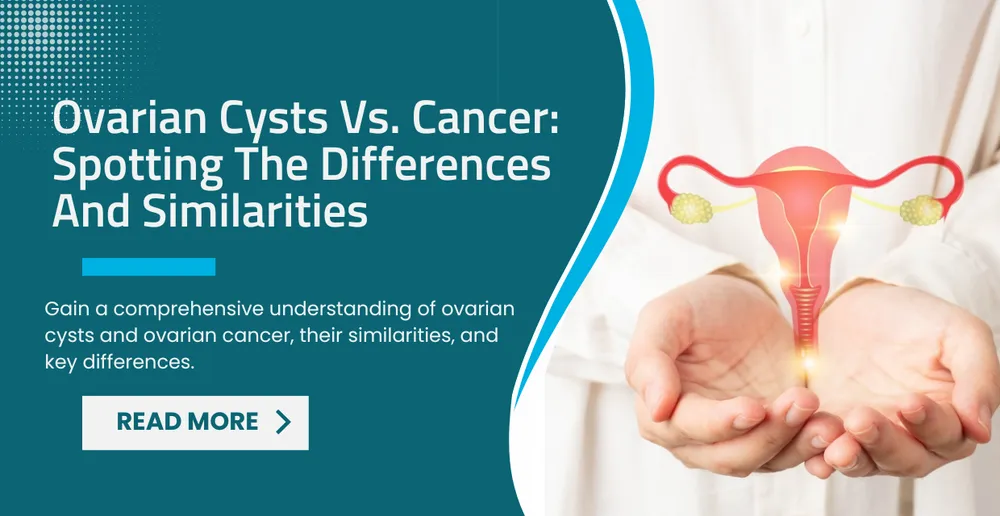
Ovarian Cysts vs. Cancer: Knowing the Difference
It is common for women to experience some form of ovarian growth during their lives. For many, the discovery of such a growth can cause immediate anxiety about cancer. However, at LifeCare Hospitals, we want women to know that the vast majority of ovarian cysts are benign (non-cancerous) and often resolve on their own. (Read our Women's Hormone Health Guide).
That said, being able to recognize the difference through expert diagnostics and symptom awareness is vital for early intervention.
What are Ovarian Cysts?
A cyst is a fluid-filled sac that forms on or inside an ovary. Many occur naturally as part of a woman's menstrual cycle (functional cysts) and are completely harmless. They often have no symptoms and are only discovered during a routine pelvic exam or ultrasound. (Read Why Regular Exams Matter).
What is Ovarian Cancer?
Ovarian cancer occurs when cells in the ovary begin to grow uncontrollably, forming a solid tumor. Unlike functional cysts, these cancerous growths are persistent and can spread if not detected. (Check our Comprehensive Cancer Screening Guide).
Differentiating the Symptoms
Because the symptoms can overlap, it's essential to consult a specialist if you experience:
- Pelvic Pain: Cysts often cause a dull ache or sharp pain on one side. Cancer may cause more persistent, generalized pelvic or abdominal discomfort.
- Bloating: Persistent bloating or a feeling of "fullness" is one of the most common early signs of ovarian cancer.
- Changes in Urination: Feeling the need to urinate more frequently or urgently can be caused by a large cyst or tumor pressing on the bladder. (Read about Bladder Health).
- Feeling Full Quickly: Difficulty eating or feeling full after only a few bites.
Diagnostic Excellence at LifeCare
At LifeCare Hospitals Kenya, we use advanced imaging and laboratory tests to provide clarity:
- Pelvic Ultrasound: This allows us to see the size, shape, and composition (fluid vs. solid) of the growth. (See our Radiology Services).
- CA-125 Blood Test: While not a definitive cancer test, it measures a protein that is often high in women with ovarian cancer and helps guide the diagnosis.
- Expert Gynae-Oncology Consultation: Our multidisciplinary team works together to create the best care plan for you.
Conclusion: Peace of Mind Through Care
Knowledge and early detection are your most powerful tools. Whether it's a simple cyst that needs monitoring or a more serious concern, the compassionate team at LifeCare Hospitals is here to provide the highest level of care. Don't let uncertainty affect your peace of mind. If you have concerns about your ovarian health, book a wellness screening today. Your health is our priority.
Frequently Asked Questions (FAQs)
Can an ovarian cyst turn into cancer?
Most ovarian cysts are benign and do not become cancerous. However, some types of solid cysts have a higher risk, which is why regular monitoring is essential.
Are young women at risk for ovarian cancer?
While ovarian cancer is more common in women over 50, it can occur at any age. Persistent symptoms should always be evaluated by a healthcare professional.