
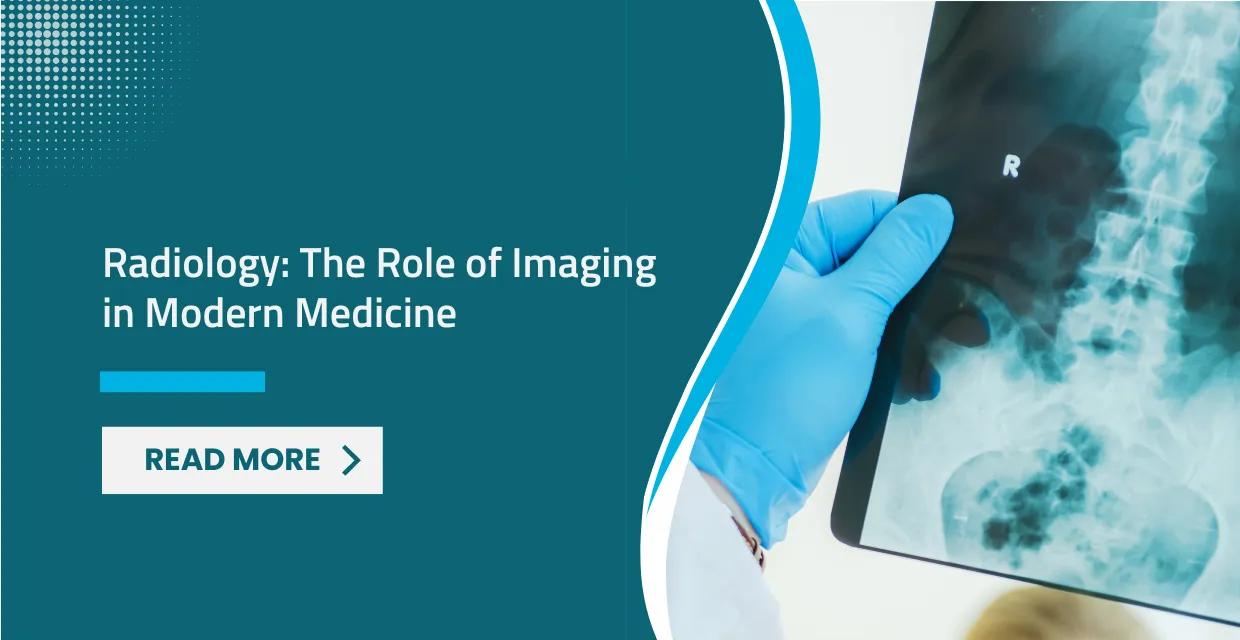
Radiology: The Role of Imaging in Modern Medicine
Have you ever wondered how doctors can diagnose a fracture inside a bone, a tumor deep in the brain, or a blockage in a tiny heart vessel without a single incision? The answer lies in radiology. Radiology is the "eye" of modern medicine, providing the crucial visual data needed for precise diagnosis and effective treatment. At LifeCare Hospitals, we invest in the most advanced diagnostic technology to ensure our Kenyan patients receive world-class care. (Read how images help in Cancer Screening).
Imaging is no longer just about "taking a picture"—it's about understanding the function and structure of the human body in incredible detail.
Common Types of Medical Imaging
1. Digital X-Rays
The most common form of imaging, used primarily to look at bones and detect dental issues or certain lung conditions. Modern digital X-rays produce high-quality images with minimal radiation exposure. (Read Urology and Kidney Imaging).
2. Computed Tomography (CT) Scans
A CT scan uses a series of X-rays taken from different angles to create cross-sectional "slices" of the body. It provides much more detail than a standard X-ray, especially for internal organs and blood vessels. (Read about CT Scans for Trauma Care).
3. Magnetic Resonance Imaging (MRI)
MRIs use powerful magnetic fields and radio waves to create detailed images of soft tissues, such as the brain, muscles, and ligaments. It is essential for neurological and orthopedic diagnoses. (Check our Orthopedic Care Guide).
4. Ultrasound (Sonography)
Using high-frequency sound waves, ultrasound is perfect for real-time imaging of developing babies, the heart (echocardiograms), and organs in the abdomen. (Read Maternity and Ultrasound Guide).
The Vital Role of the Radiologist
While the machines capture the images, the radiologist—a specialized medical doctor—interprets them. They work closely with your surgeon or primary care physician to provide a roadmap for your treatment. (See Interventional Cardiology and Imaging).
Diagnostic Excellence at LifeCare Kenya
At LifeCare Hospitals Kenya, our radiology departments are equipped with modern equipment and staffed by expert technicians and radiologists. Whether it's a routine screening or a complex emergency evaluation, we provide fast, accurate, and compassionate imaging services. (Read about Preventive Care Screenings).
Conclusion: Lighting the Path to Health
Radiology is the bridge between symptoms and solutions. By providing clear, detailed insights into what is happening inside your body, we can create more effective and less invasive treatment plans. If your doctor has ordered an imaging test, rest assured that you are in expert hands at LifeCare Hospitals. We are committed to clarity, precision, and your health. Visit our centers today for all your diagnostic imaging needs.
Frequently Asked Questions (FAQs)
Are medical imaging tests safe?
Yes. While X-rays and CT scans use low doses of ionizing radiation, the medical benefit of an accurate diagnosis significantly outweighs the small risk. Ultrasound and MRI use no radiation at all.
How should I prepare for my imaging appointment?
Preparation varies by test. For some ultrasounds or CT scans, you may need to fast for several hours. For an MRI, you must remove all metal objects. Our team will provide specific instructions when you book.