
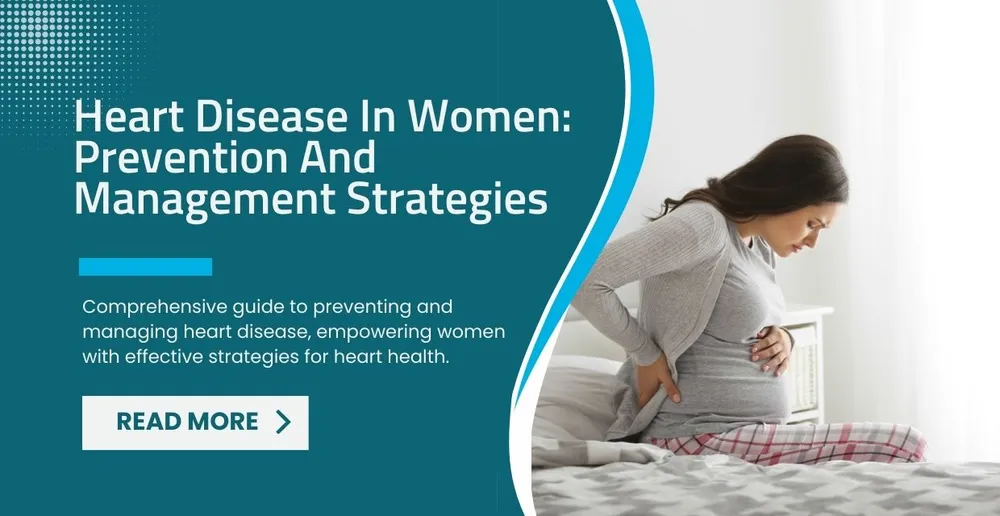
Heart Disease in Women: Strategies for Prevention
A common misconception is that heart disease is primarily a "man's health issue." In reality, heart disease is the #1 cause of death for women globally and in Kenya. Even more concerning, women are often less likely to recognize the symptoms of a heart attack because they can be more subtle than the traditional "chest crushing" pain. At LifeCare Hospitals, we are dedicated to raising awareness and providing specialized cardiovascular care tailored to the unique needs of women. (Read Comprehensive Heart Health Guide).
Protecting your heart starts with understanding how the risks differ for you.
Unique Risk Factors for Women
1. Metabolic Syndrome
A combination of fat around the abdomen, high blood pressure, high blood sugar, and high triglycerides has a greater impact on heart disease risk in women than in men. (Read about Target Cholesterol Levels).
2. Stress and Depression
Women's hearts are significantly more affected by emotional stress and depression than men's hearts. Stress can cause small heart vessels to constrict, leading to "Broken Heart Syndrome" or microvascular disease. (See Exercise and Mental Wellness).
3. Menopause
The drop in estrogen levels after menopause increases the risk of heart disease in the smaller blood vessels. (Read Navigating Menopause Guide).
4. Pregnancy Complications
History of high blood pressure or diabetes during pregnancy (pre-eclampsia or gestational diabetes) can increase a woman's long-term risk of heart disease. (Read Maternal Health and Recovery).
Recognizing Subtle Symptoms
While chest pain is still the most common symptom, women are more likely to experience:
- Neck, jaw, shoulder, or upper back discomfort.
- Shortness of breath.
- Pain in one or both arms.
- Nausea, vomiting, or indigestion.
- Lightheadedness or unusual fatigue. (See Acidity vs. Heart Attack).
Why Choose LifeCare for Cardiac Care?
Our cardiology department features advanced imaging, including echocardiograms and stress tests, designed to detect heart disease even in its earliest stages. We focus on a preventative approach, helping our female patients manage their risks through nutrition, exercise, and medical management. (Read LifeCare Heart Health Excellence).
Conclusion: Your Heart, Your Future
Heart disease is often preventable through small, consistent lifestyle changes and regular monitoring. Don't wait until you "feel" heart issues to take action. At LifeCare Hospitals Kenya, we are here to support you in every beat of your life. Book a cardiovascular screening today and take control of your heart health. Because a healthy heart is the foundation of a healthy life. Your wellness is our mission.
Frequently Asked Questions (FAQs)
Can menopause cause heart palpitations?
Yes, hormonal shifts during menopause can sometimes lead to heart palpitations. While often harmless, it's important to have them evaluated by a cardiologist to rule out underlying issues.
What is the best exercise for women's heart health?
A combination of moderate aerobic activity (like brisk walking) for 150 minutes a week and strength training twice a week is highly effective for heart health. (Read Exercise Benefits Guide).