
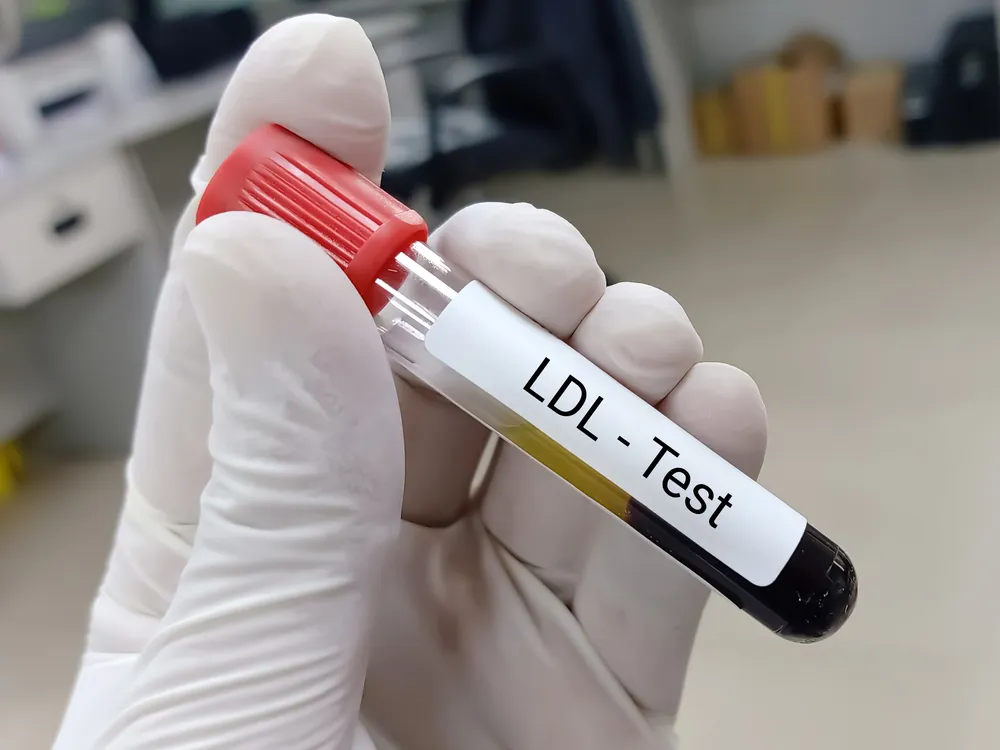
What is a Normal Cholesterol Level? Deciphering Your Results
Have you recently received your blood test results and found yourself staring at numbers for HDL, LDL, and Triglycerides without really knowing what they mean? Determining what is "normal" for you depends on several factors including your age, sex, and overall health history. At LifeCare Hospitals, we're here to help you translate those lab results into actionable heart-health goals. (Read our guide on Managing Cholesterol Strategies).
Let's break down the general target numbers that doctors look for in a healthy adult.
The Components of Your Lipid Profile
1. Total Cholesterol
This is the sum of your LDL and HDL cholesterol plus a portion of your triglycerides. For most adults, a Total Cholesterol level below 200 mg/dL is considered desirable. (Read Managing Hypertension and Heart Health).
2. LDL (The "Bad" Cholesterol)
Lower is generally better. For individuals with no other health risks, a level below 100 mg/dL is ideal. If you have heart disease or diabetes, your doctor may aim for even lower—often below 70 mg/dL. (Check Expert Cardiology at LifeCare).
3. HDL (The "Good" Cholesterol)
In this case, higher is better. HDL helps remove bad cholesterol from your arteries. Ideally, men should aim for 40 mg/dL or higher, and women for 50 mg/dL or higher. (Read How Exercise Boosts HDL).
4. Triglycerides
This is a type of fat (lipid) found in your blood. High levels are often linked with overweight and insulin resistance. A "normal" level is less than 150 mg/dL. (See our Kenyan Heart-Healthy Diet).
Why Your Personal Context Matters
It's important to remember that these numbers are just one piece of the puzzle. Your doctor will also look at your blood pressure, whether you smoke, and your family history to determine your overall cardiovascular risk. (Read Importance of Full Body Checkups).
How to Achieve and Maintain Your Targets
- Test Fasting: For the most accurate lipid profile, you should fast (no food or drink except water) for 9 to 12 hours before your blood draw. (See Diagnostic Services at LifeCare).
- Eat for Your Arteries: Focus on fatty fish, oats, and plenty of vegetables. (Check our Weight Loss Guide).
- Monitor Regularly: If your numbers are borderline or high, don't wait years for the next checkup. Follow your doctor's recommended testing schedule. (Read Preventive Care Benefits).
Conclusion: Managing Your Heart's Future
Your blood test results are a powerful tool for preventing future heart attacks and strokes. By knowing your numbers and working with your healthcare provider to reach your target ranges, you are investing in a longer, healthier life. At LifeCare Hospitals Kenya, we offer comprehensive cardiac wellness packages that include detailed lipid analysis and specialist consultations. Book your heart-health checkup today. Let's keep your heart beating strong.
Frequently Asked Questions (FAQs)
When is cholesterol considered "dangerously high"?
A Total Cholesterol level of 240 mg/dL or higher, or an LDL level of 160 mg/dL or higher, is typically considered high risk and requires immediate discussion with a doctor about management strategies.
Does high cholesterol have physical symptoms?
Usually, no. High cholesterol is a "silent" condition. Most people only discover they have it through a laboratory blood test, which is why regular screening is essential.