
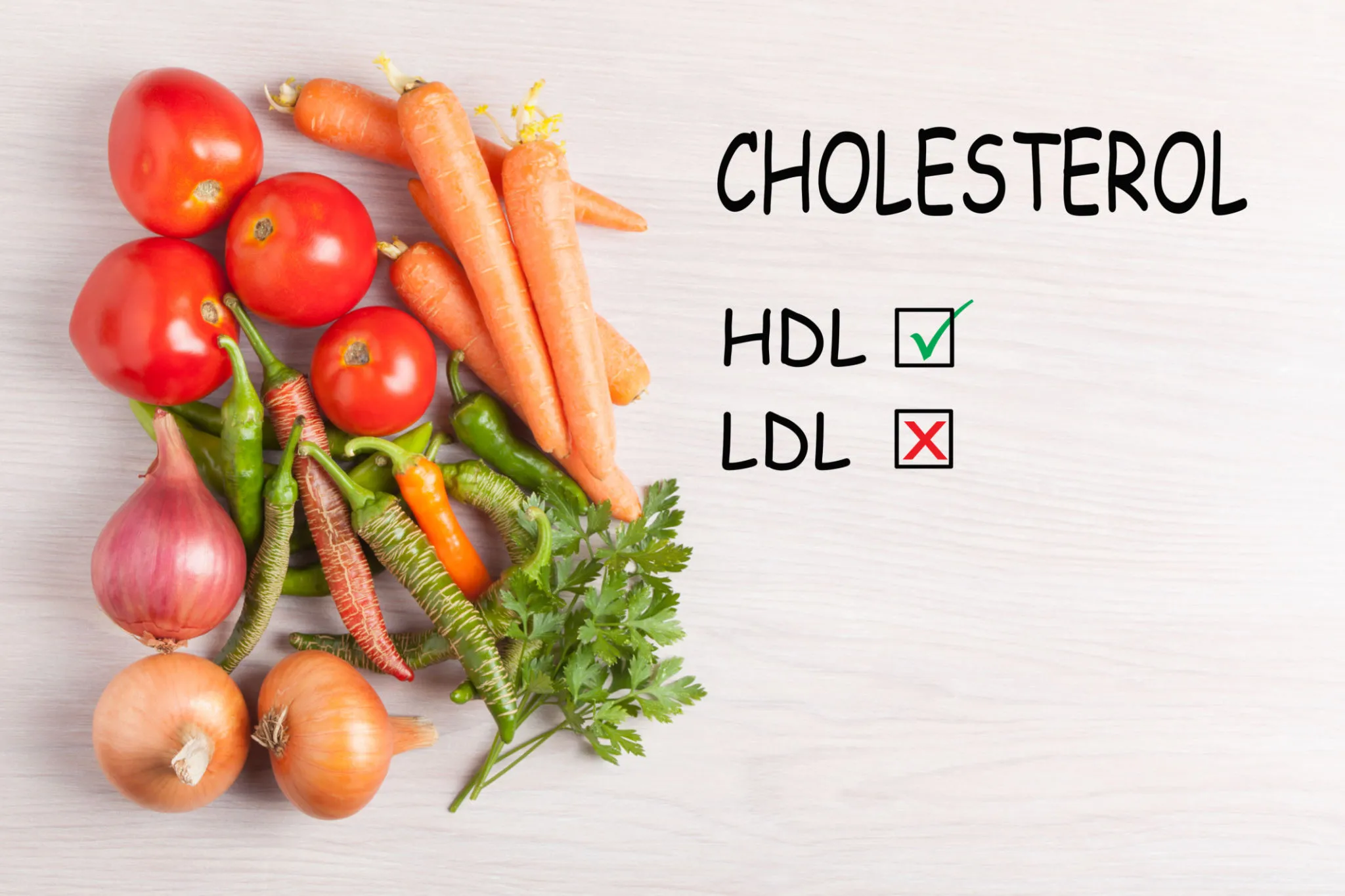
Understanding Cholesterol Levels and How to Manage Them
Cholesterol is often portrayed as a villain in the story of heart health, but it's actually an essential substance that your body needs to build cells and produce hormones. The problem arises when there's *too much* of it in your blood. At LifeCare Hospitals, we believe that understanding your numbers is the first step toward a healthy heart. (Read our guide on Defining Normal Cholesterol Levels).
Knowledge is power when it comes to preventing cardiovascular disease.
The Difference: HDL vs. LDL
To understand cholesterol, you need to know about the two main types of lipoproteins that carry it through your bloodstream:
- LDL (Bad) Cholesterol: Low-density lipoprotein. Think of this as the "Delivery" truck. When you have too much LDL, it can build up in the walls of your arteries, forming plaque that causes narrowing and blockages.
- HDL (Good) Cholesterol: High-density lipoprotein. Think of this as the "Cleanup" crew. HDL carries cholesterol away from the arteries and back to the liver, where it's broken down and removed from the body.
(Read about Genetic Links to Cholesterol).
Why High Cholesterol is Dangerous
When LDL levels are too high, it leads to atherosclerosis (hardening of the arteries). This restricts blood flow and can lead to serious events. (Check out Heart Attack vs. Cardiac Arrest).
Tips for Managing Your Levels
1. Prioritize Heart-Healthy Fats
Replace saturated fats (found in fatty meats and full-fat dairy) with healthier unsaturated fats from avocados, nuts, seeds, and olive oil. (See our Kenyan Heart-Healthy Foods Guide).
2. Increase Your Fiber Intake
Soluble fiber, found in oats, beans, and lentils, helps reduce the absorption of cholesterol into your bloodstream. (Read Nutrition for All Ages).
3. Get Moving Regularly
Moderate physical activity can help raise your HDL (good) cholesterol. Aim for at least 30 minutes of aerobic exercise most days. (Discover the Full Benefits of Exercise).
4. Quit Smoking
Smoking lowers your "good" cholesterol and significantly increases your risk of heart disease. (Read our Hypertension Management Guide).
Conclusion: Your Heart is in Your Hands
High cholesterol rarely has early symptoms, which is why regular screening is vital. By combining healthy lifestyle choices with expert medical guidance, you can keep your heart strong for years to come. At LifeCare Hospitals Kenya, our cardiology and family medicine teams provide specialized testing and personalized management plans. Take control of your cardiovascular health today. Book your lipid profile test at any of our branches.
Frequently Asked Questions (FAQs)
How often should I have my cholesterol tested?
Most healthy adults should have their levels checked every 4 to 6 years starting at age 20. If you have heart disease or diabetes, you will need more frequent monitoring.
Can I lower my cholesterol without medication?
Many people can significantly improve their numbers through diet and exercise alone. However, some have genetic factors that require supplemental medication like statins, which must be prescribed by a doctor.